This chart puts the three waterproof scales on one page so they can be read against each other: the IPX ingress codes defined by IEC 60529, the hydrostatic head of the fabric in millimetres of water column under ISO 811, and the AATCC 22 spray rating of the surface finish. They are not convertible into one another, and that is the single most useful thing on this page. An IPX code describes a whole body after a timed test, a millimetre figure describes a flat swatch of cloth pressed against a rising water column, and a spray rating describes how the outer surface looks after 25 to 30 millilitres of water is thrown at it. One thousand millimetres of head equals 9.8 kilopascals, or about one metre of standing water, but a body made of 10,000 millimetre cloth is not a 10 metre pack, because the closure and the seam set a lower ceiling. Read the code for what the pack does, the millimetres for what the cloth does, and the spray figure for what the finish does. Buying programmes start at 500 pcs per design and colourway, with samples in 6 to 10 working days.
How to Read This Chart in Thirty Seconds
Three columns of numbers appear on waterproof pack specifications and they answer three different questions. The ingress code answers what happened to a finished body full of indicator paper during a timed exposure. The millimetre figure answers how much pressure a piece of the shell took before three drops came through. The spray rating answers whether the outer cloth still beads water. A buyer who quotes one of them where another is needed will specify the wrong pack, and the most common version of that error is quoting 10,000 millimetres as though it were an immersion rating.
The second thing to carry away is the ceiling rule, which states that a body performs at the level of its weakest component and never above it. The shell is almost never the weakest component. On a mainstream body the closure is, and on a cheap body the seam is. A shell of 20,000 millimetre cloth with a coil zip and a storm flap delivers a splash rating and no more, and no amount of cloth rating changes that. Read down the component column rather than across the cloth column and the chart becomes predictive instead of merely descriptive.
- An IPX code is a whole-body result with a time attached, and it is the only one of the three that describes what the pack actually does.
- A millimetre figure is a fabric result measured on a flat specimen, and it describes the shell but not the seam, the closure or the shape.
- A spray rating is a surface result with no pressure applied, and it grades appearance rather than protection.
- Ten thousand millimetres of hydrostatic head equals 98.1 kilopascals, which is about one bar, and it is reached by a water column ten metres tall, not by diving to ten metres.
Chart 1: The IPX Codes from IPX0 to IPX8
The ingress codes are set out in IEC 60529 and each code is a defined test with a defined duration, nozzle, flow rate and duration, which is what makes them comparable where marketing words are not. The second digit is the water digit; the X in IPX means the dust digit has not been assessed, which is normal for soft goods. Note the jump between IPX6 and IPX7: the first six codes are jets of increasing force and the last two are immersion, so they are different kinds of test rather than points on one line.
| Code | Test condition as defined | Water applied | Duration | What it means on a pack |
|---|---|---|---|---|
| IPX0 | No test | None | None | No claim at all, indoor use |
| IPX1 | Vertical dripping | 1 mm per minute | 10 minutes | Condensation and light drips only |
| IPX2 | Dripping, unit tilted 15 degrees | 3 mm per minute | 10 minutes | The same, with the pack leaning |
| IPX3 | Spraying at up to 60 degrees from vertical | 0.7 to 10 litres per minute | 5 to 10 minutes | Light rain, a short walk |
| IPX4 | Splashing from any direction | 10 litres per minute | 10 minutes | Steady rain, a 15 minute commute |
| IPX5 | Jet from a 6.3 mm nozzle at 3 metres | 12.5 litres per minute | 3 minutes or more | Driven rain, fast cycling, deck spray |
| IPX6 | Jet from a 12.5 mm nozzle at 3 metres | 100 litres per minute | 3 minutes or more | Storm conditions, heavy wash-down |
| IPX7 | Immersion at 1 metre | Whole body under water | 30 minutes | Capsize, dropped overboard, fording |
| IPX8 | Continuous immersion beyond 1 metre | Maker specifies depth and time | Maker specifies | Rafting, dive support, rescue |
Two practical notes on that table. IPX7 requires the body to be immersed to its lowest point at one metre of depth with the top possibly 300 millimetres or more below the surface, and it is a static test with no movement, so it does not certify a body for swimming or towing. IPX8 has no fixed depth: the maker states the condition, so an IPX8 claim is only meaningful when the depth and duration are printed beside it, and a claim of IPX8 at 1.5 metres for 60 minutes is a different article from one at 3 metres for 30 minutes.
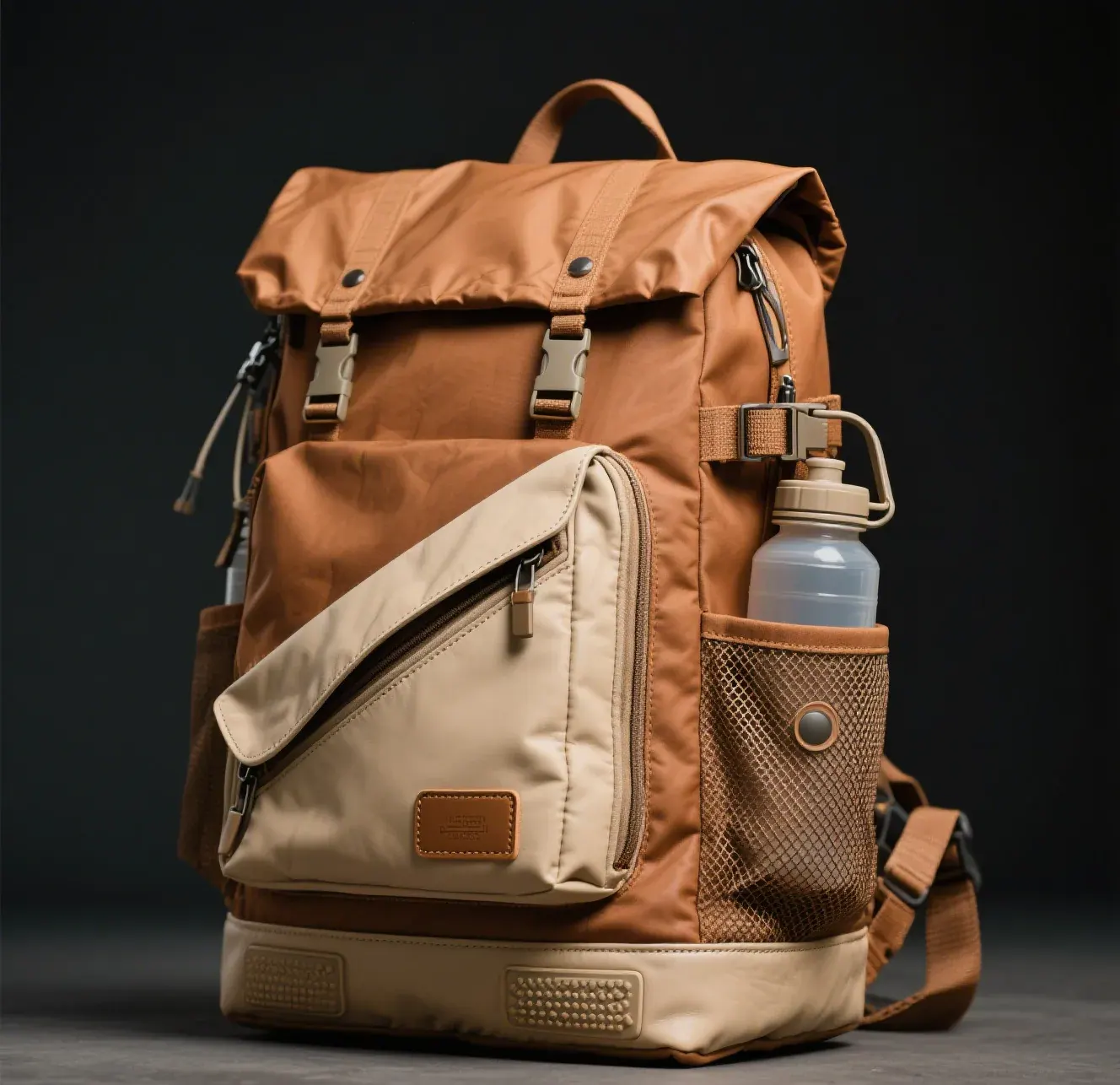
Chart 2: Hydrostatic Head in Millimetres
The millimetre figure comes from a hydrostatic head test, standardised as ISO 811 in Europe and AATCC 127 in the United States. A specimen of the laminate is clamped over a well, a column of water is raised against one face at 10 or 60 millimetres per second, and the height at which the third drop appears on the dry face is the result. The figure describes the laminate only: it says nothing about the seam, the closure or the shape of the body, and it is measured on a flat swatch that is not under any load.
| Hydrostatic head | Pressure | Equivalent standing water | Typical construction | Realistic use |
|---|---|---|---|---|
| 1,000 mm | 9.8 kilopascals | 1.0 metre | PU coating, 20 to 40 gsm | Shower resistant only |
| 1,500 mm | 14.7 kilopascals | 1.5 metres | PU coating, two passes | Light rain, dry quickly |
| 3,000 mm | 29.4 kilopascals | 3.0 metres | TPU film at 0.05 mm | Sustained rain, wet base panel |
| 5,000 mm | 49.0 kilopascals | 5.0 metres | TPU film at 0.08 to 0.10 mm | General outdoor, all-day rain |
| 8,000 mm | 78.5 kilopascals | 8.0 metres | TPU film at 0.12 to 0.15 mm | Boating, kayaking, expedition |
| 10,000 mm | 98.1 kilopascals | 10.0 metres | TPU film at 0.15 mm | Submersible bodies, IPX7 |
| 20,000 mm | 196 kilopascals | 20.0 metres | TPU film at 0.20 to 0.25 mm | Professional, rescue, dive support |
The column headed equivalent standing water is the one to treat with care, and it is worth a sentence of explanation because it is widely misread. It is the height of the water column that produces the same pressure, not a depth the pack can be taken to. A body of 10,000 millimetre cloth fails long before ten metres, because at that depth the air inside has been compressed to half its volume and the closure, the seam and every bonded anchor are being pushed from outside. Use the millimetre figure to rank cloth, and use the code to rank packs.
Chart 3: Converting Between Units
Specifications arrive in millimetres, kilopascals, bars, pounds per square inch and metres of depth, often in the same document, so a conversion chart saves a great deal of arithmetic. The base relationship is that 1,000 millimetres of water column at 4 degrees equals 9.807 kilopascals, and everything else follows from it. Note that a bar is very close to 10 metres of water, which is a useful rule of thumb: 1.0 bar is about 10.2 metres, and 0.1 bar is about 1 metre.
| Millimetres of water | Kilopascals | Bar | Pounds per square inch | Metres of depth |
|---|---|---|---|---|
| 500 mm | 4.9 kPa | 0.049 bar | 0.71 psi | 0.5 m |
| 1,000 mm | 9.8 kPa | 0.098 bar | 1.42 psi | 1.0 m |
| 2,000 mm | 19.6 kPa | 0.196 bar | 2.85 psi | 2.0 m |
| 3,000 mm | 29.4 kPa | 0.294 bar | 4.26 psi | 3.0 m |
| 5,000 mm | 49.0 kPa | 0.490 bar | 7.11 psi | 5.0 m |
| 10,000 mm | 98.1 kPa | 0.981 bar | 14.22 psi | 10.0 m |
| 15,000 mm | 147 kPa | 1.472 bar | 21.33 psi | 15.0 m |
| 20,000 mm | 196 kPa | 1.961 bar | 28.45 psi | 20.0 m |
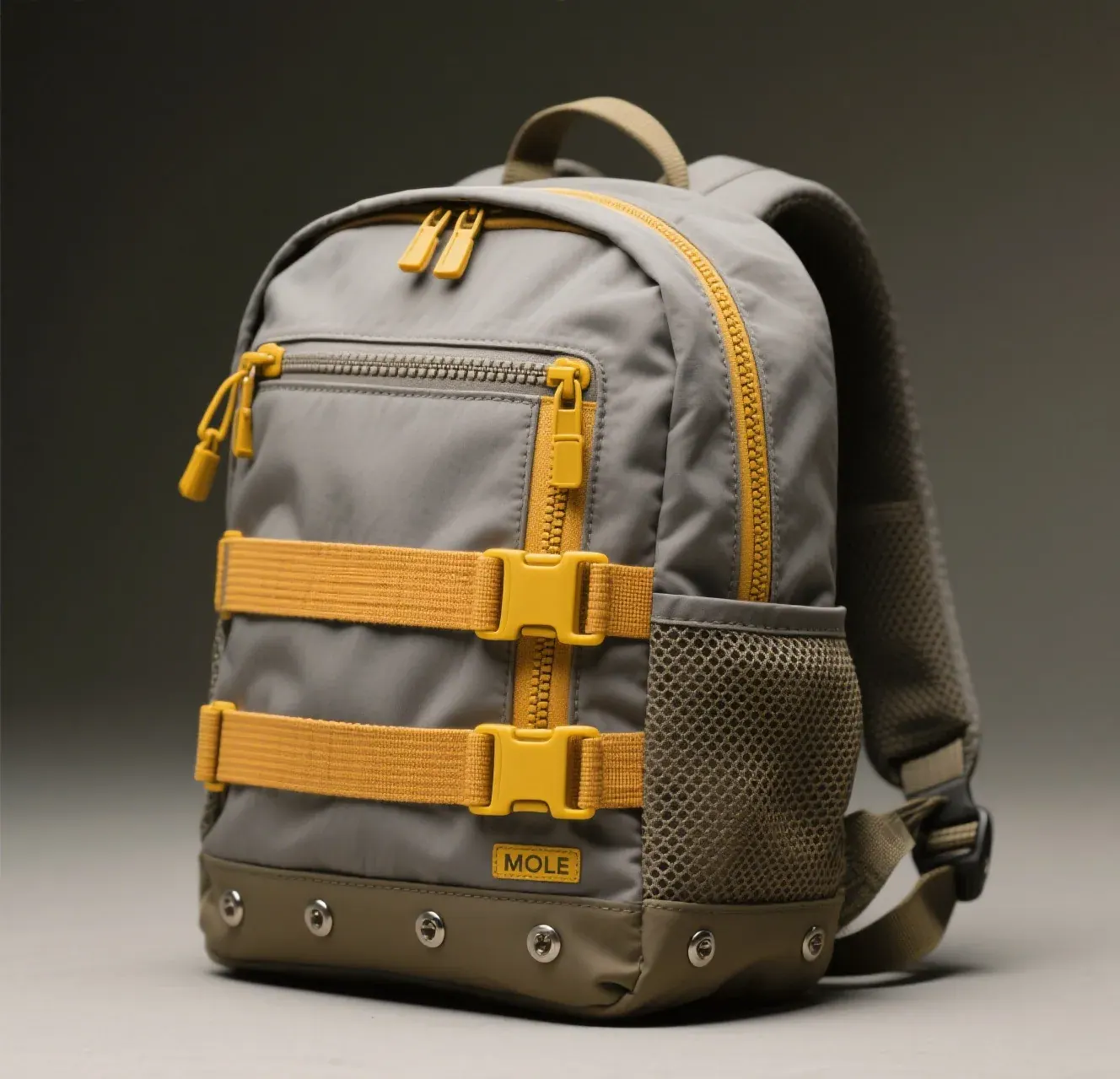
Chart 4: Spray Ratings, the Surface Scale
The third scale is the one printed most often and understood least. A spray test is defined by AATCC test method 22, in which 250 millilitres of water is sprayed through a standard nozzle at a specimen held at 45 degrees from a distance of 150 millimetres, and the result is read by comparing the wetted pattern against a standard chart. ISO 4920 gives the same test on a 1 to 5 scale. A rating of 100 means no sticking or wetting of the upper surface, and a rating of 50 means the entire upper surface is wet.
| AATCC 22 rating | ISO 4920 | Appearance after the test | Hydrostatic head implied | Read it as |
|---|---|---|---|---|
| 100 | 5 | No sticking or wetting of the upper surface | None, not measured | Finish is intact and clean |
| 90 | 4 | Slight random sticking or wetting | None, not measured | Finish is working, early wear |
| 80 | 3 | Wetting at the spray points | None, not measured | Finish is degrading |
| 70 | 2 | Partial wetting beyond the spray points | None, not measured | Re-proof before the next trip |
| 50 | 1 | Complete wetting of the entire upper surface | None, not measured | Wetting out, no barrier implied |
| 0 | 0 | Wetting of both faces | None, not measured | No finish left at all |
The right-hand column is the whole point of that table and it is the reason the spray scale cannot be used as a waterproof rating. The test applies no pressure, so it cannot produce a hydrostatic figure, and a pack can score 100 and still pass water at 500 millimetres of head if its seams are stitched. Use it for what it is: a maintenance indicator that tells the owner when to re-proof, and nothing about whether the body will keep a laptop dry.
Chart 5: What Each Rating Buys in the Field
Translating codes into activities is what most buyers actually want, and it is where a chart earns its place. The mapping below is conservative in the sense that it assumes a five year old body with a closure that has been used daily, which is the condition a pack is in when it matters. A new pack performs above its rating and an aged one performs below it, and the gap is roughly one code after three to five seasons.
| Activity | Water exposure | Code to specify | Cloth to specify | Closure to specify |
|---|---|---|---|---|
| Urban walk, 15 minutes | Steady rain, 5 to 10 mm per hour | IPX4 | 3,000 mm | Coil zip with a storm flap |
| Cycle commute, 30 minutes | Driven rain at 40 km per hour | IPX5 | 5,000 mm | Reverse coil with a double flap |
| Day hike, exposed ridge | Rain plus wet ground contact | IPX5 | 5,000 mm | Roll top, three turns |
| Motorcycle touring | Sustained rain at 90 km per hour | IPX6 | 8,000 mm | Roll top or airtight zip |
| Kayak, flat water | Splash, spray skirt drip, brief dunk | IPX6 | 8,000 mm | Roll top, three turns |
| Sea kayak, surf launch | Immersion to 1 metre, repeated | IPX7 | 10,000 mm | Roll top or airtight zip |
| Rafting, white water | Continuous immersion, tumbling | IPX8 | 10,000 to 20,000 mm | Airtight zip, welded body |
| Dive support boat | Deck wash at 100 litres per minute | IPX6 plus immersion | 10,000 mm | Airtight zip, welded body |
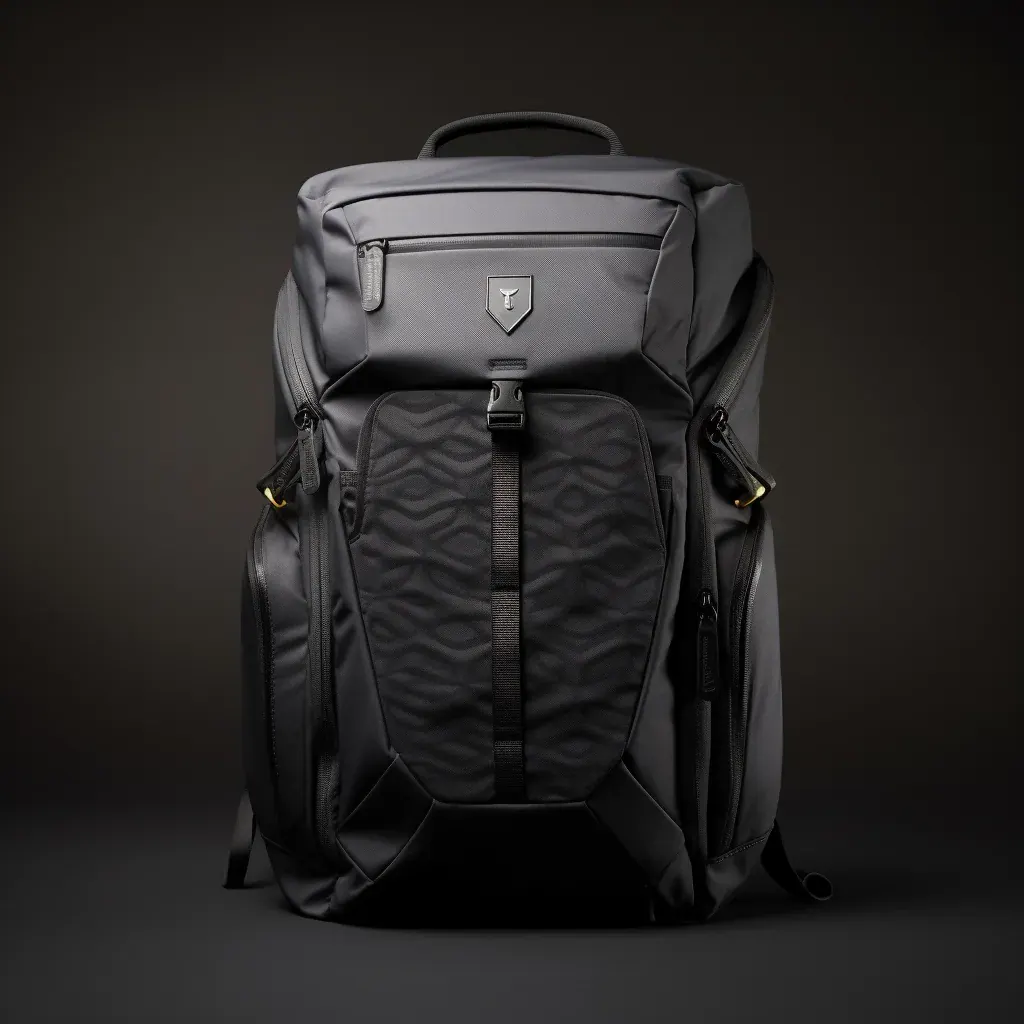
Chart 6: The Ceiling Rule, Component by Component
Every body has four components that have to be rated together, and the lowest of them sets the result. Ranking them on one page makes the trade-off visible: spending on a thicker film while leaving a plain coil zip in place buys nothing, while spending on the closure and the seam buys two or three codes for a fraction of the cost. The columns below are typical ceilings, meaning the best code each component can support when everything else is ideal.
| Component | Economy build | Mid build | Professional build | Ceiling it sets |
|---|---|---|---|---|
| Shell laminate | PU coating, 1,500 mm | TPU film 0.10 mm, 5,000 mm | TPU film 0.20 mm, 20,000 mm | Rarely the limiter |
| Seam | Plain stitched | Stitched and three-layer taped | Radio-frequency welded | Often the limiter on economy builds |
| Closure | Coil zip, no flap | Reverse coil with a double flap | Airtight zip or roll top | The limiter on most bodies |
| Anchors and ports | Stitched bar-tack | Bonded patch over the stitch | Welded anchor, welded valve | The hidden limiter on welded bodies |
| Resulting code | IPX2 to IPX3 | IPX5 to IPX6 | IPX7 to IPX8 | Always the lowest row |
The anchors row is the one that separates a professionally built body from a well-marketed one. A body can be welded everywhere and still be let down by a strap anchor that was sewn on because the electrode could not reach it, and a valve or a port that was bonded rather than welded. The check takes ten seconds: turn the body inside out and look for thread anywhere on the outer shell. If there is none, the ceiling is the closure; if there is, the ceiling is the stitch line, whatever the cloth figure says.
Chart 7: Rating Against Body Type and Price
Price tracks the code more closely than it tracks the cloth figure, because reaching a higher code costs tooling and components rather than laminate. The bands below are trade unit costs for a 25 to 35 litre body at 500 pcs, and retail is typically three to five times the unit cost. Buyers working to a retail price point can read the chart downwards from the price to the code they can honestly claim, which is the most useful direction to read it in.
| Code achieved | Unit cost band | Typical retail | Body type | Who buys it |
|---|---|---|---|---|
| IPX2 to IPX3 | 6 to 11 USD | 18 to 39 USD | Fashion daypack with a finish | Promotional, price-led retail |
| IPX4 | 11 to 18 USD | 35 to 65 USD | Coil zip, taped seams | General outdoor, school |
| IPX5 | 18 to 30 USD | 59 to 110 USD | Roll top or double-flap zip | Hiking, cycle commuting |
| IPX6 | 28 to 45 USD | 95 to 165 USD | Roll top, welded body | Paddle sports, motorcycle |
| IPX7 | 40 to 70 USD | 130 to 250 USD | Welded body, airtight zip or roll top | Sea kayak, rescue, camera |
| IPX8 | 60 to 105 USD | 200 to 380 USD | Welded body, tested to a stated depth | Rafting, dive support, professional |
Which Row Should You Buy
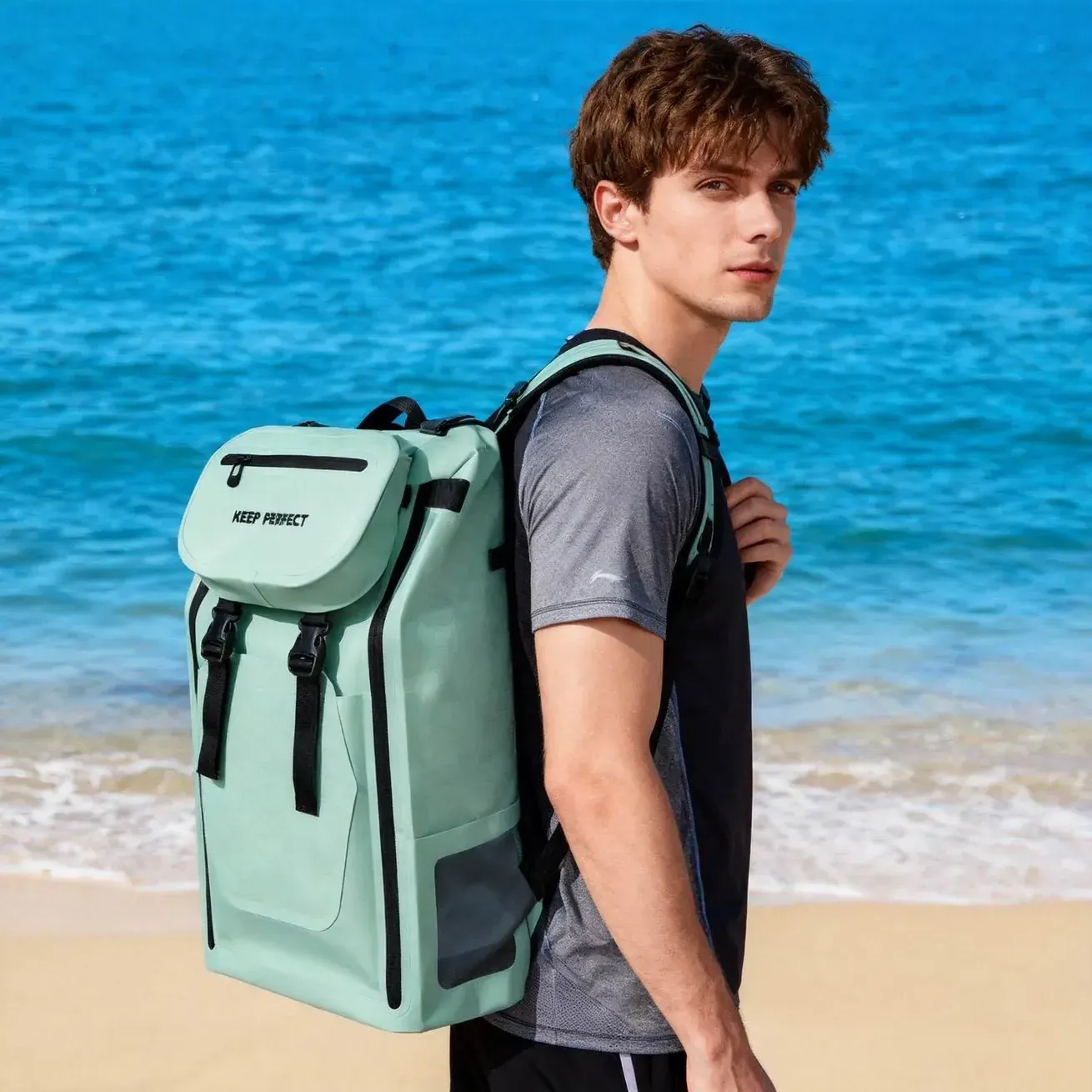
The decision reduces to three questions and each has a short answer. How long is the exposure, how deep can it get, and what is inside. A 15 minute walk in steady rain is IPX4. A 30 minute cycle commute in driven rain is IPX5. Anything that can end up in the water is IPX7, and the reason is not the depth but the duration, since a capsize takes minutes to recover from and IPX7 is the first code with 30 minutes attached to it.
- Buy one code above the weather you usually meet, because a closure loses roughly one code after three to five seasons of daily use.
- Buy on the code and check the closure, not on the millimetre figure, which ranks cloth and never ranks packs.
- Buy IPX7 rather than IPX6 if the pack will be anywhere near open water, since IPX6 is a jet test with no immersion at all.
- Ask for the depth and duration whenever IPX8 is claimed, because the standard leaves both to the maker and the claim is meaningless without them.
- Ask for the standard with every figure: IEC 60529 for codes, ISO 811 or AATCC 127 for millimetres, AATCC 22 or ISO 4920 for spray.
The whole range of sealed bodies, from a shower-resistant daypack to a welded submersible pack, is collected in the waterproof backpack buying guide, and the codes themselves are taken apart figure by figure in the IPX rating guide. For the cloth side of the chart, hydrostatic head explained sets out how the millimetre figure is produced, and the closure column is expanded in the closure types guide. Test rigs, tanks and the certificates behind every row of these charts are shown.
| Question to ask a seller | Good answer | Poor answer | Why | What to do |
|---|---|---|---|---|
| What is the ingress code? | IPX6, tested to IEC 60529 | Waterproof | A word is not a measurement | Ask for the report |
| Which depth for IPX8? | 1.5 metres for 60 minutes | IPX8, the best we make | The standard leaves it open | Require the figure |
| What is the cloth rating? | 10,000 mm to ISO 811 | Very waterproof fabric | No pressure figure | Ask for millimetres |
| What is the seam method? | Radio-frequency welded | Sealed | Sealed can mean anything | Turn the body inside out |
| What is the closure rating? | Airtight zip, IPX6 | Heavy duty zip | Flap versus seal is the whole issue | Ask for the closure code |
Programmes run from 500 pcs per design and colourway, with samples in 6 to 10 working days and bulk in 35 to 50 days. Materials are screened against REACH and California Prop 65, goods are inspected at AQL 2.5, and bodies are pressure tested at 20 kilopascals with a five minute hold and under 10 percent loss. Monthly output of 200,000 units is verified by SGS, and shipments are FOB Xiamen or DDP to more than 100 countries; enquiries go to service@junyuanbags.com.
People Also Ask
What is the difference between IPX and a millimetre rating?
An IPX code is a whole-body test result with a time attached, defined by IEC 60529, while a millimetre figure is a fabric test under ISO 811 that measures how much pressure a flat swatch takes before three drops pass. The code describes the pack, the millimetres describe the cloth, and they do not convert into one another.
How many millimetres of hydrostatic head does a backpack need?
3,000 millimetres is the practical floor for a rain pack, 5,000 suits all-day outdoor use, and 10,000 millimetres is specified where the body may be immersed. Above about 10,000 the seam and closure limit performance long before the cloth does.
Does 10,000 mm mean the pack can go 10 metres deep?
No. Ten thousand millimetres is the pressure of a ten metre water column, about 98.1 kilopascals or one bar, measured on a flat unloaded swatch. A finished body fails far shallower because the closure, the seam and the anchors are pushed from outside and the air inside is compressed.
What is the difference between IPX6 and IPX7?
IPX6 is a jet test, 100 litres per minute from a 12.5 millimetre nozzle at three metres for at least three minutes, with no immersion. IPX7 is 30 minutes at one metre of depth. A body can pass one and fail the other, and IPX7 is the right code wherever the pack might end up in the water.
What does IPX8 actually mean?
Continuous immersion beyond one metre, with the depth and duration set by the maker rather than by the standard. An IPX8 claim is only meaningful when the figure is printed beside it, and IPX8 at 1.5 metres for 60 minutes is a different article from IPX8 at 3 metres for 30 minutes.
Which rating should a commuter buy?
IPX5 or better. Steady rain runs at 5 to 10 millimetres per hour and driven rain on a bicycle exceeds IPX4, which is splash for 10 minutes. Buy one code above the usual weather, because a closure loses about one code after three to five seasons of daily use.
Frequently Asked Questions
Q1. What is the waterproof rating chart for backpacks?
It sets three scales side by side: IPX ingress codes from 0 to 8 under IEC 60529, hydrostatic head from 1,000 to 20,000 millimetres under ISO 811, and AATCC 22 spray ratings from 0 to 100. Each answers a different question, and none of them converts into another.
Q2. Which is more important, the IPX code or the millimetre figure?
The IPX code, because it is measured on a finished body with a time attached. The millimetre figure ranks cloth and says nothing about the seam, the closure or the shape, and a 20,000 millimetre shell with a plain coil zip delivers a splash rating.
Q3. How do I convert millimetres of water to pressure?
One thousand millimetres of water column equals 9.807 kilopascals, 0.0981 bar, 1.42 pounds per square inch and about one metre of water depth. As a rule of thumb, one bar is about 10.2 metres and 0.1 bar is about one metre.
Q4. What hydrostatic head counts as waterproof?
There is no fixed threshold, but 1,500 millimetres is the usual point at which a cloth is called water resistant and 3,000 millimetres the point at which sustained rain is handled. Above 10,000 millimetres the cloth is rarely the limiting component.
Q5. What is a good spray rating?
90 or 100 on AATCC 22, which means slight random wetting or none at all. A rating of 70 means partial wetting beyond the spray points and it is the point at which re-proofing is due. The spray scale carries no pressure figure and is not a waterproof rating.
Q6. Does a higher IPX code always mean a more expensive pack?
Broadly yes. Unit cost rises from about 11 to 18 USD at IPX4 to 40 to 70 USD at IPX7 for a 25 to 35 litre body, because the cost is in the closure and the weld tooling rather than in the laminate. Retail is typically three to five times the unit cost.
Q7. Why does my IPX7 pack still get damp inside?
Usually carry-in moisture rather than leakage. A damp jacket, a wet bottle and a sweaty back pad put 20 to 60 grams of water per day into a sealed body, and condensation then collects on the coldest surface. IPX7 certifies that water does not get in, not that none is carried in.
Q8. How deep can I take an IPX8 backpack?
Only as deep as the maker states. IEC 60529 leaves the depth and duration to the maker for IPX8, so the claim means nothing without the figure printed beside it. Ask for the test report and read the depth and the minutes.
Q9. What is the ceiling rule?
A body performs at the level of its weakest component and never above it. On most packs the closure is the limit, on cheap packs the seam is, and the shell is almost never the limit. Upgrade the closure and the seam before spending on a thicker film.
Q10. How much does a closure limit the rating?
Severely. A coil zip with no flap supports IPX2 to IPX3, a reverse coil with a double flap supports IPX4 to IPX5, a three-turn roll top supports IPX6 to IPX7, and an airtight zip supports IPX6 to IPX8. The assembly can never be rated above its closure.
Q11. Which standard covers the spray test?
AATCC test method 22, in which 250 millilitres of water is sprayed through a standard nozzle at a specimen held at 45 degrees from 150 millimetres, with the result read against a standard chart. ISO 4920 gives the same test on a 1 to 5 scale, where 5 equals an AATCC rating of 100.
Q12. What is the MOQ and lead time for a rated waterproof backpack?
500 pcs per design and colourway, with samples in 6 to 10 working days and bulk in 35 to 50 days. Bodies are pressure tested at 20 kilopascals with a five minute hold and under 10 percent loss, inspected at AQL 2.5, and shipped FOB Xiamen or DDP to more than 100 countries.