TPU outperforms PVC in cold weather because its soft segments stay rubbery to roughly minus 55 degrees, while a plasticised PVC film loses flexibility from about zero and reaches its brittle point between minus 15 and minus 40 degrees depending on plasticiser loading. The practical result is a stiffness index that diverges sharply with temperature: at minus 20 degrees a PVC film is about nine times stiffer than it was at 20 degrees and a TPU film about three and a half times stiffer, and in a mandrel flex test at minus 20 a TPU laminate survives more than 20,000 folds where a calendered PVC sheet cracks after 500 to 3,000. That gap decides whether a winter body rolls shut at the trailhead or cracks at a corner. Brittle point is measured by ASTM D1790, and wind chill data published by NOAA explains why a pack rated for the ambient temperature is often being used well below it. Programmes start at 500 pcs per design and colourway, with samples in 6 to 10 working days and bulk in 35 to 50 days.
Why Cold Changes the Material, Not Just the Weather
Most buyers specify a winter pack by thinking about the load, the insulation and the colour, and then accept whatever film the shell happens to carry. That is the wrong order, because temperature is the one environmental variable that changes the material itself rather than the conditions around it. A polymer film is a long-chain molecule and what makes it flexible is the ability of those chains to rotate and slide past one another. Cooling removes that ability. As the temperature falls, the free volume between chains shrinks, segment motion slows, and the film moves from a rubbery state towards a glassy one, in which it is hard, brittle and prone to cracking at a fold.
The change is not linear and it is not gentle. Polymer stiffness typically rises by a factor of two to ten across the transition region, and the transition region for a plasticised film used on packs often sits right across the range people actually hike, hunt and fish in, from plus 5 down to minus 30 degrees. That is why a body that feels perfectly supple in a warm warehouse can resist folding at the trailhead and crack at a corner on the first cold morning. It is also why the failure looks like misuse rather than like a specification error: the pack was fine last season, in a warmer month.
- Cooling removes chain mobility in a polymer film, and the film moves from rubbery to glassy across a narrow band of temperatures.
- The transition band for plasticised PVC overlaps the range most winter users actually work in, from about plus 5 to minus 30 degrees.
- Stiffness is not the whole story: once past the brittle point, the film fails by cracking rather than by bending, and a crack at a fold is permanent.
- Wind chill makes it worse than the thermometer suggests, because the outer face of a pack on a snowmobile or a ridge loses heat faster than the air around it.
Glass Transition and Brittle Point
Two numbers describe the cold behaviour of a film and they are not the same number. The glass transition temperature is the point at which the soft segments of the polymer stop moving freely, and stiffness climbs steeply through it. The brittle temperature is the point at which a specimen cracks rather than deforms under a defined impact, and it is measured by ASTM D1790. The brittle point always sits below the glass transition, sometimes by 20 degrees or more, and it is the more useful of the two for a buyer because cracking is the failure that ends the life of a body.
| Film | Soft segment glass transition | Brittle point by ASTM D1790 | Stiffness index at minus 20 degrees | Usable down to |
|---|---|---|---|---|
| TPU, polyether soft segment | Minus 50 to minus 60 degrees | Below minus 70 degrees | About 3.0 | Minus 40 degrees and below |
| TPU, polyester soft segment | Minus 30 to minus 40 degrees | Minus 55 to minus 70 degrees | About 3.5 | Minus 30 degrees |
| PVC, 60 parts plasticiser per hundred | Minus 25 to minus 35 degrees | Minus 30 to minus 45 degrees | About 6.0 | Minus 20 degrees |
| PVC, 40 parts plasticiser per hundred | Minus 5 to minus 15 degrees | Minus 15 to minus 25 degrees | About 9.0 | Minus 10 degrees |
| PVC, 25 parts plasticiser per hundred | Plus 5 to plus 15 degrees | Minus 5 to plus 5 degrees | About 15 and rising | Zero degrees only |
| EVA foam, moulded components | Minus 20 to minus 40 degrees | Minus 40 to minus 60 degrees | About 4.0 | Minus 25 degrees |
The plasticiser column in that table is the variable buyers never see and it explains why two PVC bodies that look identical behave completely differently. Plasticiser is what makes PVC flexible at all; pure PVC has a glass transition near plus 80 degrees and would be useless on a pack. The loading is quoted in parts per hundred of resin, and moving from 25 to 60 parts shifts the brittle point by about 40 degrees. Because plasticiser content is rarely printed on a specification, the practical rule is to treat any PVC body as a warm-weather article unless the brittle point has been measured, and to specify TPU wherever sub-zero use is expected.
Seams, Welds and Closures Below Freezing
A cold-stiffened film does not only crack at folds, it changes how the body is assembled and how it seals. Radio-frequency welding at 27.12 megahertz depends on the film being polar and able to melt across the joint, and both TPU and PVC weld well at room temperature. The difference appears afterwards: a welded PVC joint is stiffer than the surrounding sheet, so at low temperature the strain concentrates at the edge of the weld rather than being distributed across the panel, and the first crack appears along the weld boundary. A welded TPU joint has nearly the same flexibility as the sheet it joins, so the strain is shared and the joint survives.
| Element | Behaviour at minus 20 degrees, PVC | Behaviour at minus 20 degrees, TPU | Consequence | Fix |
|---|---|---|---|---|
| Welded joint | Stiffer than the sheet, strain concentrates at the edge | Matches the sheet, strain is shared | Long cracks along the weld line | Specify TPU, or radius the weld edge |
| Roll-top mouth | Three turns are hard to make, the fourth cracks | Rolls with slightly more effort | A closure that will not seal | TPU, or a shorter roll with a clip |
| Airtight zip | Teeth fine, the tape stiffens and lifts | Tape stays supple, tracks properly | Seal leaks at the corners | TPU tape on the zip |
| Coil zip and slider | Lubricant stiffens, pull force doubles | Pull force rises by about 30 percent | Slider jams mid-storm | Cold-grade lubricant, larger pull |
| Bonded anchor patch | Adhesive goes glassy, patch peels | Adhesive stays rubbery to minus 30 | Straps pull away under load | Weld the anchor rather than bond it |
The closure row is the one that produces the most warranty claims, because it is the part the user operates and the first thing to complain about. Pull force on a coil zip roughly doubles between plus 20 and minus 20 degrees as the lubricant thickens, which is felt as a jam rather than as stiffness, and a user who forces a stiff slider bends the teeth and destroys the closure in one action. The fixes are a cold-grade silicone lubricant, a larger pull tab that can be worked with a gloved hand, and a roll-top as the primary closure with the zip as a pocket closure only.
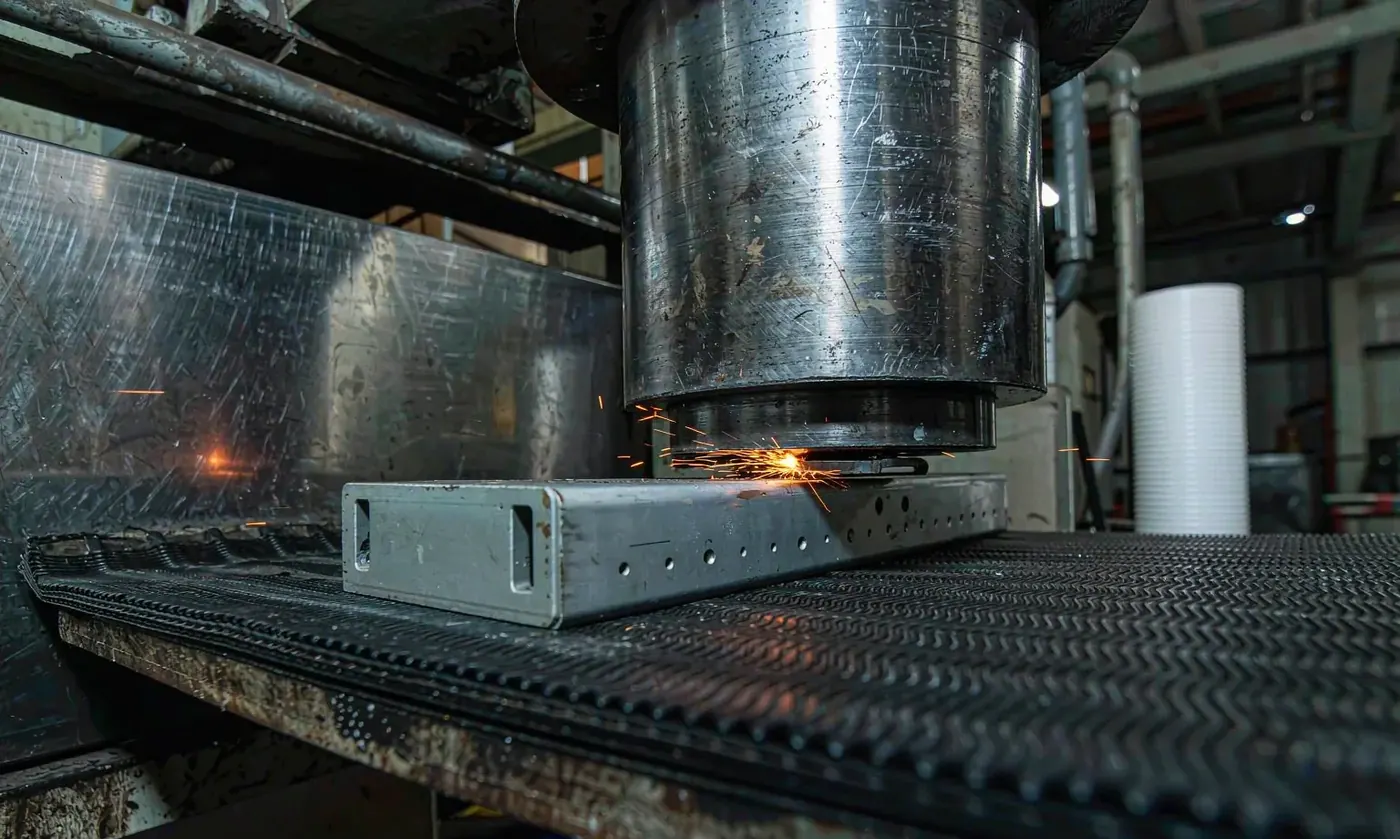
What Cold Does to PVC Specifically
Three mechanisms take a PVC body out of service in winter, and they compound. The first is stiffening, which is reversible and merely inconvenient. The second is cracking at a fold, which is permanent and usually happens the first time a cold body is rolled or folded sharply. The third is plasticiser loss, which is slow, invisible and makes the first two worse every year. A five year old PVC body has lost enough plasticiser to raise its brittle point by 10 to 20 degrees, so a pack that survived minus 15 when new fails at minus 5 later.
| Temperature | PVC stiffness index | What the user notices | Risk of permanent damage | Verdict |
|---|---|---|---|---|
| Plus 20 degrees | 1.0 | Supple, rolls easily | None | Fine |
| Plus 5 degrees | 1.6 | Slightly resistant to folding | None | Fine |
| Zero degrees | 2.5 | Roll-top needs two hands | Low | Usable with care |
| Minus 10 degrees | 4.0 | Corner creases whiten under load | Moderate | Warm the body before folding |
| Minus 20 degrees | 9.0 | Body resists folding, closure will not seal | High | Not recommended |
| Minus 30 degrees | 20 and above | Cracks on a sharp fold, shatters on impact | Severe | Do not use |
The whitening in the minus 10 row is worth explaining because it is the last warning before failure. Stress whitening is the formation of micro-voids in the film as it is strained beyond what the plasticiser content can accommodate, and it appears as a pale line at a crease. A whitened crease has not cracked yet, but it has lost much of its tear strength, and the same crease will crack on the next cold outing. The correct response when whitening appears is to stop folding that area, bring the body to room temperature, and retire it from winter use.
What TPU Does at the Same Temperature
TPU is a block copolymer with hard segments that give strength and soft segments that give elasticity, and the soft segment chemistry is what sets the cold limit. A polyether soft segment gives a glass transition near minus 55 degrees and stays usable below minus 40; a polyester soft segment gives about minus 35 and is usable to about minus 30. Polyether grades cost 15 to 30 percent more and resist hydrolysis better, so they are the right choice for a body that will see both cold and wet, which is most winter use.
| Temperature | TPU stiffness index | What the user notices | Risk of permanent damage | Verdict |
|---|---|---|---|---|
| Plus 20 degrees | 1.0 | Supple | None | Fine |
| Zero degrees | 1.8 | No change worth noting | None | Fine |
| Minus 10 degrees | 2.2 | Slightly firmer roll | None | Fine |
| Minus 20 degrees | 3.5 | Rolls with deliberate effort | Very low | Fine, warm the mouth in a pocket first |
| Minus 30 degrees | 5.0 | Firm but workable | Low | Usable, avoid sharp folds |
| Minus 40 degrees | 6.0 to 8.0 | Stiff but not brittle | Low to moderate | Usable with care |
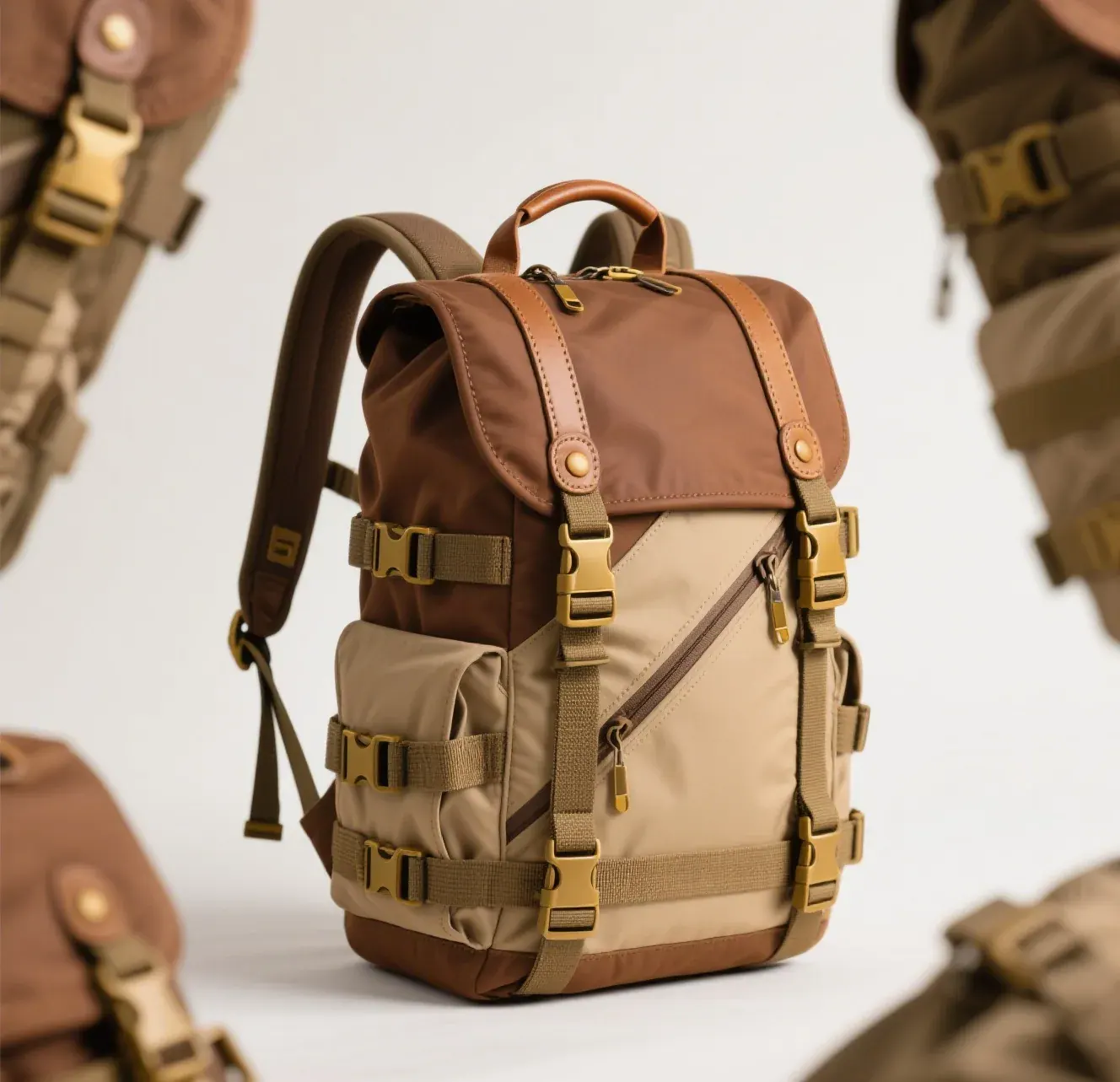
Field Symptoms by Activity
Matching the film to the activity is easier than comparing data sheets, because each winter activity has a characteristic temperature range and a characteristic abuse pattern. Ice fishing combines the lowest temperatures with the least movement, so stiffness matters and flex cracking matters less. Ski touring sits warmer but folds the body constantly. Snowmobiling is the harshest case of all, because wind chill drives the outer face far below ambient and the body is strapped down hard against a rack.
| Activity | Typical air temperature | With wind chill | Recommended film | Why |
|---|---|---|---|---|
| Winter hiking, lowland | Minus 5 to plus 5 degrees | Minus 15 to minus 5 degrees | TPU, either grade | Constant folding, wet snow |
| Winter hiking, alpine | Minus 15 to minus 5 degrees | Minus 30 to minus 15 degrees | TPU, polyether | Wind plus repeated folding |
| Ski touring | Minus 12 to minus 2 degrees | Minus 25 to minus 10 degrees | TPU, polyether | Body is folded and compressed daily |
| Ice fishing | Minus 30 to minus 10 degrees | Minus 40 to minus 20 degrees | TPU, polyether only | Lowest temperatures, long static exposure |
| Late-season hunting | Minus 10 to plus 5 degrees | Minus 20 to minus 5 degrees | TPU, either grade | Quiet handling matters, stiff film crackles |
| Snowmobile touring | Minus 25 to minus 10 degrees | Minus 45 to minus 25 degrees | TPU, polyether only | Harshest case: wind chill plus rack pressure |
The wind chill column is the reason a pack should be specified below the ambient figure, and it comes from the same physics that governs exposed skin. Moving air strips heat from the outer face of the body several times faster than still air does, so a pack strapped to a snowmobile at minus 15 and 50 kilometres per hour is closer to minus 35 on its outer surface. Wind chill tables of that kind are published by NOAA, and the practical rule is to specify the film one band below the coldest ambient temperature on the itinerary.
- Specify one temperature band below the coldest expected air temperature, because wind chill drives the outer face lower still.
- Choose polyether TPU where the body will be both cold and wet, since it resists hydrolysis as well as staying flexible.
- Warm the roll-top mouth inside a jacket for two minutes before closing it; that alone prevents most cold closure damage.
- Never force a stiff slider. A bent tooth ends the life of the closure and no amount of warming will undo it.
Hardware, Buckles and Zips in the Cold
The film is not the only polymer on a winter body and the hardware often fails first. Buckles are usually acetal or nylon 6, and they behave very differently below freezing: acetal keeps its impact strength to about minus 40 degrees, while nylon 6 loses 30 to 50 percent of it below minus 20 and becomes the classic cold-weather breakage. Webbing is less affected, but a frozen webbing absorbs surface water and freezes stiff in the adjuster. Hardware should therefore be named on the specification alongside the film, and acetal is the default for anything used below minus 20.
| Component | Material | Cold limit | Failure mode | Specification |
|---|---|---|---|---|
| Side-release buckle | Acetal, POM | Minus 40 degrees | Rare | Default for winter bodies |
| Side-release buckle | Nylon 6 | Minus 20 degrees | Brittle fracture at the latch | Avoid below minus 20 |
| Ladderlock adjuster | Acetal, POM | Minus 40 degrees | Rare | Default |
| Webbing | Polyester, 25 mm | Minus 50 degrees | Freezes stiff when wet | Shake out and dry |
| Zip slider and teeth | Metal, brass or nickel | Minus 60 degrees | Lubricant stiffening, not the metal | Cold-grade silicone lubricant |
| Zip tape | PVC coated | Minus 15 degrees | Tape stiffens and lifts off the seal | Specify TPU tape |
| Moulded EVA base | EVA foam, moulded | Minus 25 degrees | Stiffens, loses some cushioning | Acceptable, check at minus 30 |
The zip tape row catches out buyers who upgrade the shell and leave the closure alone. A PVC-coated zip tape on an otherwise excellent TPU body reintroduces exactly the failure the upgrade was meant to remove, because the tape is the part that has to flex every time the closure is opened. Specifying a TPU tape costs 0.80 to 2.00 USD more per body and it is the cheapest single upgrade on a winter pack after the film itself.
Choosing, Testing and Ordering
The decision reduces to three questions. What is the coldest temperature the body will see, including wind chill. Will it be folded, rolled or compressed while cold, or merely carried. And how many seasons it has to last, since plasticiser loss shifts the PVC brittle point upward by 10 to 20 degrees over five years. Bodies that will be folded below minus 10 should be TPU. Bodies that will only be carried, and that will not see minus 15, can be PVC and will save 1.30 to 2.80 USD per unit.
| Item | PVC body | TPU body | Delta per unit | Note |
|---|---|---|---|---|
| Film cost | 1.20 to 2.20 USD | 2.50 to 5.00 USD | 1.30 to 2.80 USD | Polyether TPU is 15 to 30 percent above polyester |
| Weight on a 30 L body | 420 to 660 grams at 0.35 mm | 165 to 275 grams at 0.15 mm | TPU is 250 to 390 grams lighter | Thinner film, same head |
| Hydrostatic head | 3,000 to 10,000 mm to ISO 811 | 5,000 to 20,000 mm to ISO 811 | One to two bands | Both measured to ISO 811 |
| Usable temperature | Zero to minus 20 degrees | Minus 30 to minus 40 degrees | 20 to 25 degrees | The deciding row |
| Flex life at minus 20 | 500 to 3,000 folds | Over 20,000 folds | 7 to 40 times | Mandrel flex at minus 20 |
| Service life | 4 to 8 years, plasticiser limited | 8 to 12 years, hydrolysis limited | 4 to 5 years | Store dry to slow both |
- Programmes start at 500 pcs per design and colourway, with samples in 6 to 10 working days and bulk in 35 to 50 days.
- Cold verification is a 24 hour soak at the specified temperature followed by a mandrel fold and a pressure decay check at 20 kilopascals.
- Materials are screened against REACH and California Prop 65, and monthly output of 200,000 units is verified by SGS.
- Bodies are inspected at AQL 2.5 and shipped FOB Xiamen or DDP to more than 100 countries.
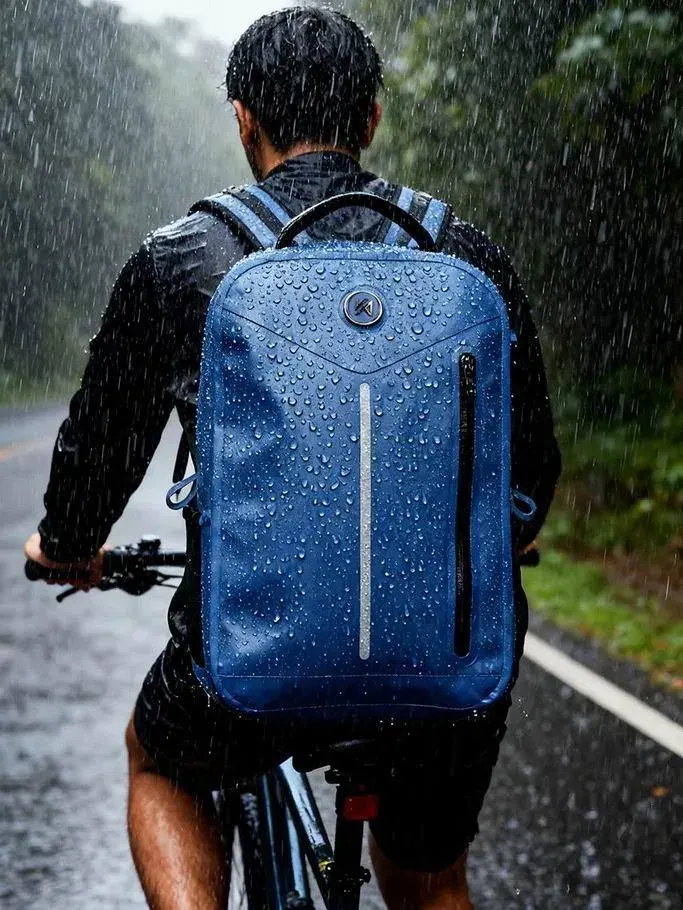
The closing recommendation is to specify the film by its measured brittle point rather than by its name, and to require a cold soak test on the approval sample. A 24 hour soak at the target temperature, followed by a single sharp fold on a 10 millimetre mandrel and a pressure decay check, takes two days and eliminates the failure mode that generates most winter returns. Bodies built for alpine and ice use are set out in the winter hiking guide, the full material comparison is in TPU versus PVC, and the cold-season range is collected in the waterproof hunting backpack collection. Cold soak rigs, mandrel fixtures and the certificates behind them are shown. Enquiries go to service@junyuanbags.com.
People Also Ask
At what temperature does PVC become brittle on a backpack?
Between minus 15 and minus 40 degrees depending on plasticiser loading, with typical calendered film around minus 20 to minus 25. A PVC film with 40 parts of plasticiser per hundred of resin is about nine times stiffer at minus 20 than at plus 20 and cracks on a sharp fold.
Is TPU better than PVC for cold weather?
Yes, by a wide margin. A polyether TPU stays rubbery to about minus 55 degrees and is usable below minus 40, against roughly zero to minus 20 for PVC. In a mandrel flex test at minus 20, TPU survives more than 20,000 folds where PVC cracks after 500 to 3,000.
Why does my backpack get stiff in winter?
Because the film has passed towards its glass transition and its chains can no longer slide freely. Plasticised PVC stiffens from about zero degrees and is about nine times stiffer at minus 20; TPU stiffens far less, about three and a half times, and stays workable.
Can a waterproof backpack be used for ice fishing?
Yes, but specify polyether TPU only. Ice fishing runs at minus 30 to minus 10 in air and minus 40 to minus 20 with wind chill, which is below the brittle point of most PVC films and near the limit of polyester TPU.
What is stress whitening on a cold backpack?
Micro-voids forming in the film as it is strained beyond what the plasticiser content can accommodate, seen as a pale line at a crease. It has not cracked yet but has lost much of its tear strength, and the same crease will crack on the next cold outing.
Does wind chill affect a backpack as well as a person?
Yes. Moving air strips heat from the outer face several times faster than still air, so a body strapped to a snowmobile at minus 15 and 50 kilometres per hour runs near minus 35 on its outer surface. Specify the film one temperature band below the coldest expected air temperature.
Frequently Asked Questions
Q1. Why does TPU outperform PVC in cold weather?
Because its soft segments stay rubbery to about minus 55 degrees for a polyether grade, against a glass transition near plus 80 for pure PVC that only reaches usable levels once plasticiser is added. At minus 20 a TPU film is roughly three and a half times stiffer than at room temperature where a PVC film is about nine times stiffer and will crack on a sharp fold.
Q2. What temperature is safe for a PVC waterproof backpack?
Zero to minus 20 degrees depending on plasticiser loading, and minus 10 is a safer practical limit for a body that will be folded. Below that, the film whitens under strain at a crease and then cracks, and the damage is permanent.
Q3. What is the brittle point and how is it measured?
The temperature at which a specimen cracks rather than deforms under a defined impact, measured by ASTM D1790. It always sits below the glass transition, often by 20 degrees or more, and it is the more useful figure for a buyer because cracking is what ends the life of a body.
Q4. Does plasticiser content change how PVC behaves in cold?
Decisively. Moving from 25 to 60 parts of plasticiser per hundred of resin shifts the brittle point by about 40 degrees, from around zero to around minus 35. Because the loading is rarely printed on a specification, treat any PVC body as a warm-weather article unless the brittle point has been measured.
Q5. How much stiffer does a film get at minus 20 degrees?
A typical plasticised PVC film is about nine times stiffer than at plus 20, and a TPU film about three and a half times. The PVC figure rises to 20 times or more at minus 30, at which point the film shatters on impact rather than bending.
Q6. Which TPU grade is best for cold and wet conditions?
Polyether TPU. Its soft segments give a glass transition near minus 55 degrees against about minus 35 for polyester, and it resists hydrolysis better, which matters because most cold use is also wet use. It costs 15 to 30 percent more than polyester TPU.
Q7. Do buckles and hardware fail in the cold too?
Yes, often before the film. Acetal buckles keep their impact strength to about minus 40 degrees, while nylon 6 loses 30 to 50 percent below minus 20 and is the classic cold-weather breakage. Specify acetal hardware on any body used below minus 20.
Q8. Why does my waterproof zip jam in winter?
The lubricant thickens rather than the metal failing. Pull force on a coil zip roughly doubles between plus 20 and minus 20 degrees, and forcing a stiff slider bends the teeth and ends the life of the closure. Use a cold-grade silicone lubricant and a larger pull tab.
Q9. How should a cold-weather pack be tested before approval?
Soak the body for 24 hours at the target temperature, fold it once sharply on a 10 millimetre mandrel, then run a pressure decay check at 20 kilopascals with a five minute hold and under 10 percent loss. That sequence takes two days and finds the failure mode behind most winter returns.
Q10. What is the MOQ and lead time for a cold-weather waterproof backpack?
500 pcs per design and colourway, with samples in 6 to 10 working days and bulk in 35 to 50 days plus two days for cold soak verification. Materials are screened against REACH and California Prop 65, goods are inspected at AQL 2.5, and shipments are FOB Xiamen or DDP to more than 100 countries.