A molded EVA tote is cleaned in about three minutes: shake it out, hose it at tap pressure with mild detergent, rinse the fittings, and stand it open in shade for an hour. Nothing else is needed and several common products destroy it — solvents, machine washing above 60 degrees, and pressure above 40 bar. Stored dry, out of sun and off its base tread, a body lasts five to seven seasons of regular beach use. Mildew, which appears only when a body is stored damp, is the one problem that ends a bag early and it is entirely preventable.
The Three Minute Clean
The routine is short because there is nothing in a moulded body to hold dirt. There is no lining to saturate, no seam allowance to trap grit and no foam to dry slowly, so everything that goes in can be rinsed out through the base. The version below is the one worth following after a beach, pool or sports session, and it takes about three minutes of which most is drying time that needs no attention.
- Tip the body out and shake it once, which removes loose sand and grit in about five seconds.
- Hose at tap pressure through the walls and across the base for 30 to 60 seconds.
- Apply mild detergent with a soft brush or cloth to any marked area, then rinse it off.
- Rinse the strap fittings and any metal parts separately, particularly after salt water.
- Tip the body upside down and let it drain for a minute, then stand it open in shade.
- Leave it 30 to 60 minutes before storing, and never store it while any part is still wet.
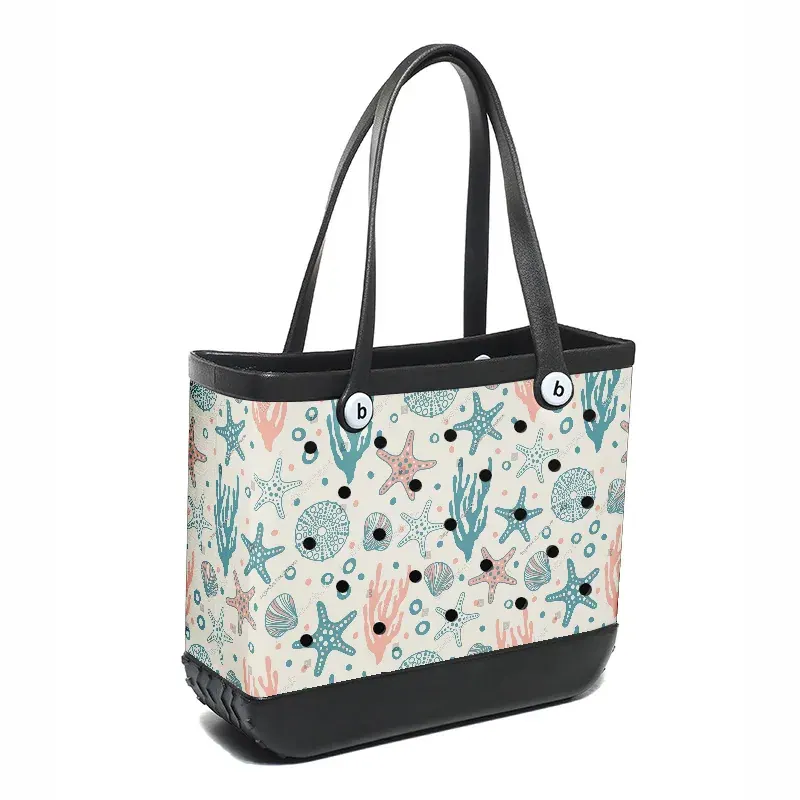
Frequency depends on use rather than on a rule. A bag used at the beach six days a week wants a rinse every session and a full wash every fortnight; one used twice a month wants a full wash at the end of each season and a rinse whenever it has held wet kit. The important part is not the schedule but the last step: a body that is put away damp will grow mildew at the base, and that is the one failure this routine exists to prevent.
What to Use and What Never to Use
Moulded EVA is chemically resistant to water, salt and mild detergents, and chemically vulnerable to three things. Knowing the three is most of what a care guide needs to say, because almost every damaged bag was damaged by one of them rather than by use.
| Product or method | Safe | What happens | Use instead |
|---|---|---|---|
| Mild household detergent | Yes | Nothing, removes sunscreen and grime | Nothing better needed |
| Disinfectant wipe | Yes | Nothing, safe daily | Ideal for gym and shared use |
| Fresh water rinse | Yes | Nothing, removes salt and sand | The default clean |
| Machine wash above 60 degrees | No | Body softens and distorts under its own weight | Hand wash cold, hose and air dry |
| Solvents, acetone, alcohol | No | Surface turns tacky and dulls permanently | Detergent and water |
| Pressure washer above 40 bar | No | Deforms thin walls and lifts print | Tap pressure, 2 to 6 bar |
| Abrasive pad or scouring powder | No | Scratches the surface, which then holds dirt | Soft brush or cloth |
| Bleach at full strength | Diluted only | Can fade colourways and dull the finish | Diluted, rinsed immediately |
One note on bleach, because it is the question owners ask most often. Diluted household bleach is safe on a light coloured body and is the right answer for mildew, at roughly one part bleach to ten parts water applied for a few minutes and rinsed thoroughly. It is not safe at full strength, and it is not safe on a deep colourway, where it will leave a lighter patch that cannot be reversed. For a coloured body, a dedicated mould remover or a vinegar solution is the safer choice, and both need the same thorough rinse afterwards.
Stains: Sunscreen, Wine, Mildew and Rust
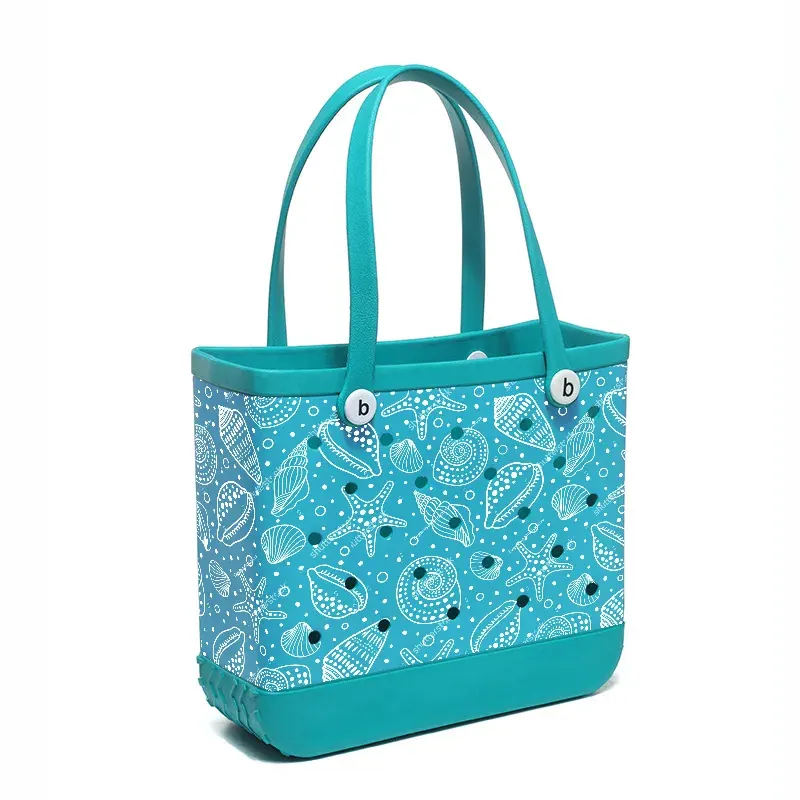
Four stains account for nearly everything a body encounters, and three of the four are removable with detergent and patience. The fourth is preventable but not reversible, which is the reason this section exists. Treating them early is the whole technique: a stain left for a season in a hot garage becomes part of the surface, while the same stain treated the same week disappears.
| Stain | Removable | Method | Time to treat |
|---|---|---|---|
| Sunscreen and body oil | Yes | Detergent and warm water, soft brush | Any time, easier within a week |
| Berry, wine and fruit | Yes | Detergent, then diluted bleach on light colours | Within days, before it sets |
| Mildew, black spotting | Yes, if early | Diluted bleach or vinegar, rinse, dry in sun | Immediately, before it roots |
| Rust from a metal fitting | Partly | Detergent first, then a mild acid cleaner | Immediately, and replace the fitting |
| Permanent marker | Rarely | Alcohol damages the surface, so leave it | Not worth treating |
| Tar or bitumen | Sometimes | Vegetable oil to soften, then detergent | Before it hardens |
Mildew deserves a paragraph rather than a row, because it is the only one of these that ends a bag. It appears as black or grey spotting at the base and along the lower walls of a body stored damp, usually over a winter, and it grows into the surface rather than sitting on it. Early treatment with diluted bleach and a week in the sun clears it completely. Left for a season it becomes permanent, and more importantly it means the body has been stored wet, which is a storage failure rather than a cleaning one. Guidance on safe mould cleanup is published by the United States Centers for Disease Control and Prevention and is worth following for the handling and drying steps rather than improvising them.
Drying Decides Everything
If one step in this guide is worth doing properly it is drying, because almost every failure attributed to the material is actually a failure to dry. A moulded body absorbs nothing, so any water in it at the point of storage arrived with the contents or with the rinse, and all of it can leave. What stops it leaving is the bag being stored upright with a towel in the base, closed, or in a place with no air movement.
The correct method is specific and takes no effort: stand the body upside down for a minute to drain, then stand it open and upright in a shaded, ventilated place for 30 to 60 minutes. Upside down first because gravity removes most of the water in seconds; upright and open afterwards because that is the position in which air moves through the perforations and carries the rest away. A body dried this way is ready to store in under an hour, and a body dried upright from the start without being tipped takes most of a day.
Off-Season Storage
Storage is where a bag is either preserved for five seasons or ruined over one winter, and the requirements are simple enough to state in four lines. Dry, dark, ventilated and unloaded. Each one prevents a specific failure and none of them takes any effort at the point of putting the bag away.
- Dry: no moisture anywhere, including under an insert and inside a hollow handle.
- Dark: out of direct sun, which fades colourways and pushes the surface past 60 degrees.
- Ventilated: in a garage or a shed with air movement, not sealed in a plastic box or a bag.
- Unloaded: nothing stored inside, because a packed body deforms at the contact points over months.
- Off the tread: store on its side or upside down so the base tread does not take the whole weight.
- Separated: do not store a light body against a dark one, since pigment can transfer in heat.
| Storage place | Suitable | Risk | Note |
|---|---|---|---|
| Ventilated garage or shed | Yes | Low | The best common option |
| Indoor cupboard | Yes | Low, if fully dry | Ideal for a light colourway |
| Sealed plastic box | No | Traps moisture, mildew | Use a fabric bag or nothing |
| Car boot over summer | No | Surface passes 60 degrees, deforms | The most common cause of warping |
| Outdoors under a cover | Marginal | Condensation and ultraviolet | Only if fully ventilated |
| Flat on the base, loaded | No | Base creep over months | Store empty, on its side or upside down |
The car boot case deserves emphasis because it is the one that surprises people. A closed car in summer reaches 60 to 70 degrees internally, which is above the temperature at which a loaded moulded body starts to creep, and a bag left in a boot for a week of hot weather comes out deformed in a way that cannot be corrected. It is not a material defect; it is the same thing that would happen to any thermoplastic, and the prevention is simply not to leave the bag there.
Stacking, Nesting and Shape Retention
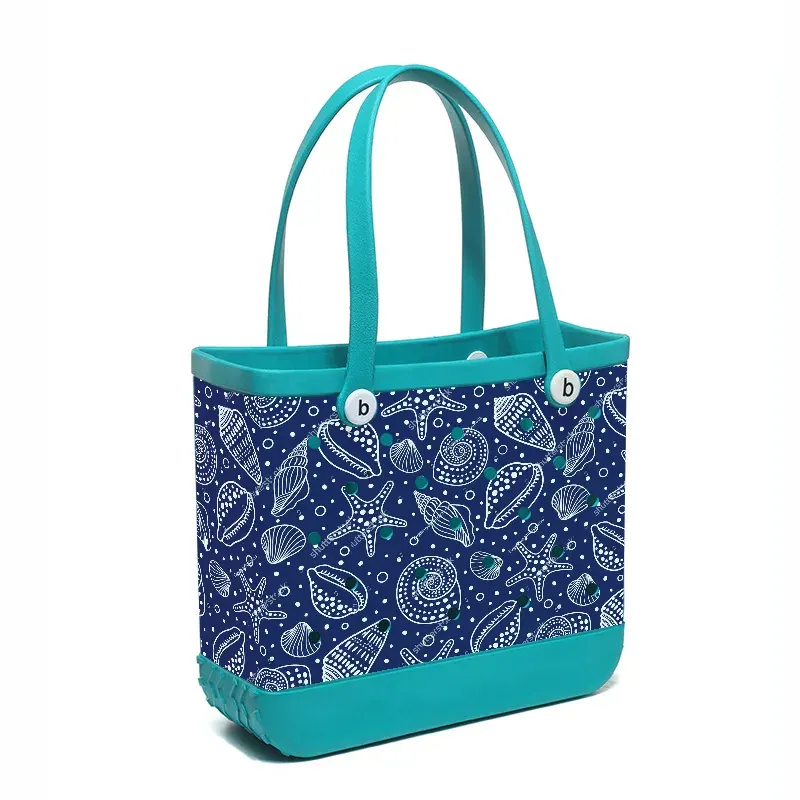
Moulded bodies nest, which is convenient for retail and a problem for storage. A stack of nested bodies puts the full weight of the stack on the base tread of the bottom one, and over a season of storage that produces a permanent flattening of the tread and a base that no longer sits flat. The fix is to store bodies on their side rather than nested, or to limit a nested stack to three or four and rotate it occasionally.
Retail and warehouse practice differs from home storage because stock moves. Nesting six deep for a few weeks of turnover does no harm at all; the same stack left for six months does. A programme holding stock across a winter should palletise bodies on their side with a separator every three or four, and should check the bottom of any static stack before shipping it, because a flattened tread is invisible in a carton and obvious on a shop floor.
Heat, Cold and Ultraviolet
Three environmental agents act on a stored or used body, and only one of them is genuinely destructive. Understanding which is which prevents owners blaming the material for conditions it was never going to survive.
| Agent | Effect on the body | Threshold | Prevention |
|---|---|---|---|
| Heat | Softens and creeps under load | Above about 60 degrees | Store out of sun, never in a car boot |
| Ultraviolet | Fades colourways, dulls the surface | Cumulative over two to five seasons | Store dark, choose light colourways for sun |
| Cold | Stiffens temporarily, recovers | Flexible to about minus 30 degrees | None needed, this material handles cold well |
| Salt | None on the body, seizes hardware | Any exposure without rinsing | Rinse fittings, specify corrosion resistant |
| Sand | Abrades the surface gloss slowly | Two to three seasons of daily use | Hose rather than scrub |
Heat is the destructive one and the table is worth reading twice on it. A dark body in direct summer sun passes 60 degrees within an hour, and above that temperature the material softens enough to deform permanently under a load. That is the mechanism behind every warped bag, and it is entirely a matter of where the bag was left. Ultraviolet is slow and cosmetic; cold is a non-issue for this material, which remains flexible well below anything a beach bag will meet.
How Long a Body Lasts
Five to seven seasons of regular beach use is the honest expectation for a well-kept moulded body, and the thing that ends most bags is hardware rather than material. Knowing the end-of-life signs is useful because it tells an owner when to retire a bag rather than discover it failing while loaded.
| Sign | Meaning | Action |
|---|---|---|
| Surface gloss dulls | Normal abrasion, cosmetic | None, keep using it |
| Colour fades evenly | Ultraviolet exposure | None, unless it matters for a branded range |
| A permanent crease at a fold | Stress whitening that has not recovered | Approaching end of life |
| A crack at a perforation bridge | Structural, will propagate | Retire from load carrying |
| A crack at the handle root | Structural failure | Retire the bag, it is not repairable to last |
| Base worn through at contact points | End of life | Replace |
| A seized strap fitting | Hardware failure, not material | Replace the fitting, keep the body |
The last row is the encouraging one. A body whose hardware has failed is usually a body worth keeping, because the material itself has years left. A strap or a fitting can be replaced for a fraction of the cost of the bag, and doing so keeps a five-season body in service rather than sending it to landfill. Repair options for handles, straps and cracks are covered in the EVA tote repair guide, and owners should read that before assuming a damaged bag is finished.
A Care Calendar
Care is easier to follow as a calendar than as a list, and the version below suits a bag used through a beach season and stored over winter. Adjust the frequency rather than the content for lighter or heavier use.
| When | Task | Time |
|---|---|---|
| After every beach session | Shake out and rinse with fresh water | 1 minute |
| Every two weeks in season | Full wash with detergent, rinse fittings | 3 minutes |
| After any salt water use | Rinse the strap fittings and hardware | 30 seconds |
| Monthly in season | Check for a crease at a fold, and for hardware stiffness | 1 minute |
| End of season | Full wash, treat any mildew, dry for 24 hours | 20 minutes plus drying |
| Before storage | Confirm fully dry, store on the side, dark and ventilated | 2 minutes |
| Mid winter | Check the storage place for damp, and air the body once | 5 minutes |
| Start of season | Wash, inspect the base and handle roots, refit the strap | 10 minutes |
Two entries on that calendar carry most of the value. The rinse after every salt water session prevents the hardware failure that retires most bags, and the twenty-four hour dry before storage prevents the mildew that is the only genuinely irreversible problem in this category. Everything else is cosmetic maintenance, and a bag that gets those two things right will look acceptable and work properly for the better part of a decade. Cleaning and chemical guidance for consumer articles aligns with the safer chemical practice published by the United States Environmental Protection Agency, and standardised physical test methods for the dimensional checks used to confirm a body has not deformed are published by ASTM International.
Cleaning a Printed or Branded Body
A printed logo changes the cleaning routine in one respect only: the printed area should be wiped rather than scrubbed. An in-tool debossed mark needs nothing different at all, because there is no applied layer to damage, but a screen printed, heat transferred or UV printed mark is a film on the surface and abrasion at its edges is what lifts it. Wiping along the print rather than across it, with a cloth rather than a brush, roughly doubles the life of the decoration.
Two products shorten a printed mark's life noticeably and both are common in a beach bag. Sunscreen left on a print for a season softens the film, and any solvent removes it outright. The practical guidance is to rinse a printed panel at the end of a session rather than letting sunscreen sit on it for weeks, and to accept that a printed mark is a seasonal finish while a debossed one is permanent. Programmes that expect a bag to be used daily for five seasons should specify in-tool marking for exactly that reason.
Straps, Charms and Inserts
The accessories need their own attention and they are what most owners forget, which is why a body in good condition often arrives at a repair with failed hardware. A detachable strap should be removed and washed separately rather than cleaned in place, since the webbing holds sand and salt against the shoulder and dries far more slowly than the body. Charms should be rinsed with the body and checked once a season for a shank that has started to tear, because a charm lost on a beach is gone and one replaced before it fails is not.
Inserts and dividers are the awkward case, because a fabric insert in a moulded body reintroduces the one thing the body was chosen to avoid. A fabric insert absorbs water, dries slowly and can mildew if it is stored inside a damp bag. Either choose a moulded or coated insert that can be hosed with the body, or commit to removing a fabric one and drying it separately every time. Owners who leave a fabric insert in a bag over a winter will find the mildew problem this guide has spent most of its length trying to prevent.
Programme Notes
Washability is covered in the EVA tote washability guide, repair options in the EVA tote repair guide, and the rubberised end of the range on the waterproof rubber beach tote page. Buyers comparing body options should start from the injection-molded EVA tote guide. QUANZHOU JUNYUAN BAGS has run waterproof bag programmes since 2014 with a founding team in this trade since 2004, at monthly output of 200,000 units verified by SGS, under BSCI and ISO 9001, with materials screened for REACH and California Prop 65 and every bulk shipment inspected at AQL 2.5 before release.
Send the body size, colourway, strap and hardware requirement and quantity to service@junyuanbags.com, and ask for corrosion-resistant fittings on any body destined for salt water, because that single specification prevents the failure that retires most bags. Sampling runs 6 to 10 working days and bulk 35 to 50 days.
People Also Ask
How do you clean an EVA tote?
Shake it out, hose it at tap pressure with mild detergent, rinse the fittings and stand it open in shade for 30 to 60 minutes.
Can you machine wash an EVA tote?
No. Water above 60 degrees softens the body enough to distort it under its own weight. Wash by hand with cold water instead.
What should never be used on an EVA tote?
Solvents, abrasive pads and a pressure washer above 40 bar. Solvents leave the surface tacky, pads scratch it and pressure deforms thin walls.
How do you remove mildew from an EVA tote?
Diluted bleach at about one part to ten parts water on light colours, or vinegar on coloured ones, then rinse and dry in sun.
How should an EVA tote be stored for winter?
Fully dry, on its side rather than nested, in a dark and ventilated place, with nothing stored inside it.
How long does an EVA tote last?
Five to seven seasons of regular beach use. Hardware fails before the material does, and a seized fitting is replaceable.
Frequently Asked Questions
Q1. How often should I clean my EVA tote?
Rinse it after every session and wash it fully every two weeks in season. A bag used twice a month needs a wash at the end of the season.
Q2. Is bleach safe on an EVA tote?
Diluted, yes, at about one part to ten, on light colours and rinsed immediately. Full strength fades colourways and dulls the finish.
Q3. Can I put an EVA tote in the washing machine?
No. Above 60 degrees the body softens and distorts under its own weight, and the agitation abrades the surface.
Q4. What removes sunscreen marks?
Mild detergent and warm water with a soft brush. Treat it within a week, before the oils set into the surface.
Q5. Why has my tote gone mouldy?
It was stored damp. Mildew only appears when a body is put away with moisture in it, and it is preventable by drying for 24 hours first.
Q6. Can I store my tote outside under a cover?
Only if it is fully ventilated. A cover traps condensation, which is the condition that produces mildew.
Q7. Should I store totes nested?
Not for long. A deep stack flattens the base tread of the bottom body. Store them on their side, or limit a stack to three or four.
Q8. Is it safe to leave a tote in a car boot?
No. A closed car in summer reaches 60 to 70 degrees, above the point at which a loaded body creeps and deforms.
Q9. Does cold weather damage an EVA tote?
No. The material stays flexible to about minus 30 degrees, which is well below anything a beach bag meets.
Q10. How do I know when to retire a bag?
A crack at a handle root or at a perforation bridge. Both are structural and neither can be repaired to last.
Q11. Is a seized strap fitting worth repairing?
Yes. The body usually has years of life left, and a replacement fitting costs a fraction of a new bag.