Recycled PET fabric for a waterproof backpack is polyester yarn spun from post-consumer bottle flake or from chemically depolymerised PET, and in a well-run programme it costs 8 to 22 percent more than virgin polyester while losing 5 to 12 percent of tensile strength and roughly one abrasion cycle grade. That trade is almost always worth making, because on a laminated pack shell the waterproof barrier is the thermoplastic film, not the woven substrate, so the recycled face cloth carries the load and the film carries the water. Specify it by denier and weave, not by the word recycled: 600D rPET at 8,000 mm hydrostatic head with a 0.12 millimetre film is a definable shell, while recycled on its own is a marketing adjective. Traceability is the part that decides whether the claim survives an audit, and that means a Global Recycled Standard certificate plus a transaction certificate per shipment. Bulk programmes start at 500 pcs per design and colourway, samples take 6 to 10 working days and bulk runs 35 to 50 days.
What Counts as Recycled PET in a Pack Shell
Recycled PET, written rPET, is polyethylene terephthalate that has been recovered after first use and reprocessed into fibre. Two feedstocks dominate. Post-consumer bottle flake comes from collected drinks bottles, is washed, sorted by colour and extruded into staple or filament yarn, and is the source behind most pack shells sold with a recycled claim. Post-industrial waste comes from offcuts and rejected film within the textile chain, is cleaner and more consistent, and is cheaper, but most brand programmes cap how much of it may be counted because it is not diverting anything from landfill. A credible specification names the feedstock and the percentage, because recycled content of 50 percent and 100 percent are two different products at two different prices.
The percentage matters mechanically too, because blending virgin and recycled chip is how a yarn house holds tensile consistency. A 100 percent post-consumer filament at 600D shows tenacity 5 to 12 percent below the virgin reference and roughly double the variation in elongation, which appears in weaving as more breaks and in the finished cloth as lower tear strength. Blending at 50 percent closes most of that gap.
| Feedstock | Source | Consistency | Typical recycled content claim | Price index against virgin |
|---|---|---|---|---|
| Post-consumer bottle flake | Collected drinks bottles | Moderate, varies by colour sort | 50 to 100 percent | 1.08 to 1.22 |
| Post-industrial waste | Textile chain offcuts and rejects | High, clean and traceable | 30 to 100 percent | 1.02 to 1.10 |
| Chemically depolymerised PET | Mixed or coloured PET broken to monomer | High, near-virgin consistency | Up to 100 percent | 1.18 to 1.35 |
| Ocean-bound plastic | Coastal collection within 50 km | Low to moderate | Usually capped, often 20 to 50 percent | 1.25 to 1.50 |
| Virgin polyester reference | Petrochemical | Highest | Zero | 1.00 |
One distinction saves a lot of argument with a brand compliance team: recycled content and recycled input are different claims. A Global Recycled Standard certificate states the recycled content of the delivered fabric, verified against input volumes at each stage of the chain, while a marketing line reading equivalent to 18 bottles is a conversion of that content into a consumer-friendly unit. Both are legitimate and only the first is auditable, so a specification should carry the percentage and the certificate, and leave the bottle count to the hangtag.
Mechanical and Chemical Recycling, and Why the Route Shows Up in the Fabric
Mechanical recycling melts and re-extrudes; chemical recycling breaks the polymer back to its monomer or to short chains and repolymerises. The difference that reaches a pack shell is molecular weight and contamination. Every melt cycle shortens polyester chains and lowers intrinsic viscosity, and mechanically recycled flake has already been through one product life, so yarn spun from it starts lower and is more sensitive to further processing heat. Chemical routes return the polymer to a near-virgin state and cost substantially more, which is why they appear in premium programmes and in applications where dye consistency matters.
| Route | Process | Intrinsic viscosity | Dye consistency | Cost index | Where it is used |
|---|---|---|---|---|---|
| Mechanical, bottle to flake to yarn | Wash, grind, melt, extrude | 0.58 to 0.66 dL per gram | Batch-to-batch variation visible | 1.08 to 1.22 | Volume pack shells |
| Mechanical with solid-state polycondensation | Rebuilt viscosity after melting | 0.68 to 0.76 dL per gram | Good | 1.15 to 1.30 | Higher-denier technical shells |
| Chemical, glycolysis or methanolysis | Depolymerise then repolymerise | Near virgin, 0.80 dL per gram | Excellent | 1.18 to 1.35 | Premium and colour-critical lines |
| Virgin reference | Direct polymerisation | 0.80 dL per gram and above | Excellent | 1.00 | Benchmark |
Dye consistency is the practical failure mode of mechanically recycled polyester, and it is the one buyers notice first. Because collected flake carries mixed colours and mixed additive packages, the base shade of the yarn drifts between lots, and a colourway matched on one lot can sit one to two grey-scale steps off on the next. The mitigation is a lab-dip approval per lot rather than per programme, and a tolerance written into the specification as a delta E figure, commonly 1.0 or below against the approved standard for a pack shell. Budgeting one extra day per lot for dip approval is far cheaper than rejecting a shipment over shade.
Denier, Weave and the Numbers That Decide Performance
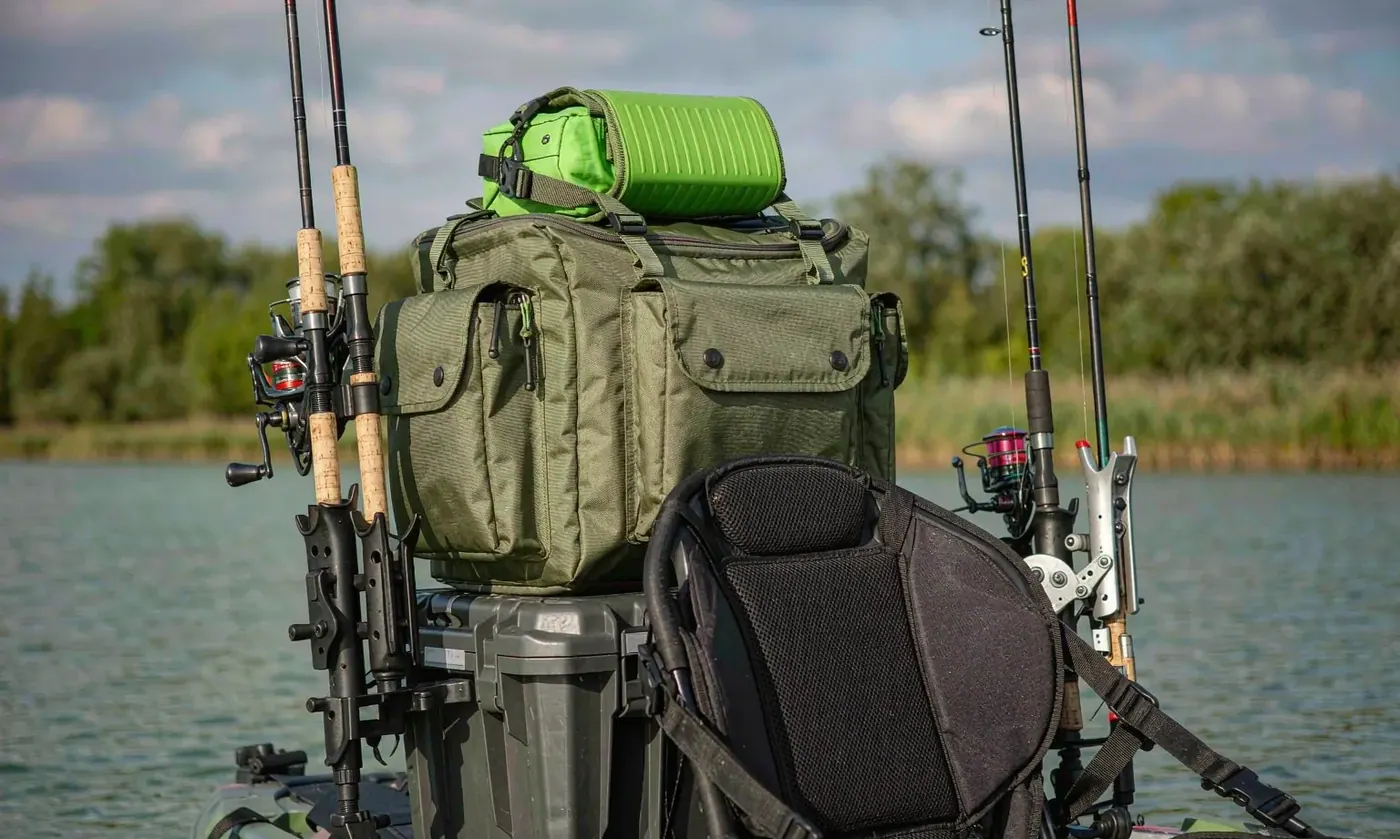
A recycled shell should be specified the same way a virgin one is, by denier, weave and finished weight, because those are what determine abrasion life and tear strength. Denier is the mass in grams of 9,000 metres of yarn, so a 600D yarn is twice as heavy per metre as a 300D yarn and correspondingly thicker and more abrasion resistant. Pack shells run from 210D for light daypacks to 900D or 1,000D for expedition and professional bodies, with 420D and 600D covering most of the market. The weave matters as much: a ripstop grid with a reinforcement thread every 5 to 10 millimetres raises tear strength substantially at almost no weight cost, which is why ripstop appears on shells where a puncture would be expensive.
| Denier and weave | Typical finished weight | Tensile, warp by weft | Abrasion cycles to failure | Best application |
|---|---|---|---|---|
| 210D ripstop | 90 to 120 grams per square metre | 450 by 380 newtons | 3,000 to 5,000 | Light daypack, liner fabric |
| 300D plain or twill | 140 to 180 grams per square metre | 700 by 600 newtons | 6,000 to 9,000 | 20 to 30 litre daypacks |
| 420D ripstop | 190 to 230 grams per square metre | 900 by 800 newtons | 9,000 to 14,000 | General outdoor, 30 to 45 litres |
| 600D plain or oxford | 260 to 320 grams per square metre | 1,300 by 1,100 newtons | 15,000 to 25,000 | Travel, expedition, work |
| 900D or 1000D | 380 to 460 grams per square metre | 1,900 by 1,700 newtons | 25,000 to 40,000 | Professional, rescue, haul bags |
Weight per square metre is the number that converts a specification into a pack weight, and it is worth doing the arithmetic before approving a fabric rather than after. A 35 litre body uses roughly 1.6 to 2.1 square metres of shell, so moving from a 420D at 210 grams to a 600D at 290 grams adds about 130 to 170 grams to the empty pack. That is noticeable to a buyer weighing two packs side by side, and it is why the denier decision is a positioning decision as much as a technical one. Volume and weight are worked through in the volume guide, and the travel bodies that most often run a recycled shell are shown in the waterproof travel backpack range.
Recycled content does not change that arithmetic, which is the most useful thing to understand about rPET shells. A 600D rPET and a 600D virgin shell share denier, weave and near enough weight, so the pack carries the same. What differs is the strength and abrasion margin, 5 to 12 percent lower on tensile and one grade lower on abrasion, and stepping up one denier buys it back.
Strength, Abrasion and Hydrostatic Head Against Virgin Polyester
Three tests decide whether a recycled shell is fit for a pack, and each maps onto a different complaint in the field. Tensile and tear predict whether a shell survives a snag and a heavy load, and are measured by strip and tongue tests. Abrasion predicts how the shell looks after a season of being set down on rock and concrete, and is measured by a rotary platform abrader with a stated load and a stated endpoint. Hydrostatic head predicts nothing about the shell at all, because on a laminated cloth it measures the film, and it is included here only so buyers do not confuse it with a strength result.
| Property | Test method | Virgin 600D | Recycled 600D | Practical consequence |
|---|---|---|---|---|
| Breaking force, warp | Strip test, 50 mm specimen | 1,400 newtons | 1,260 to 1,330 newtons | Lower burst margin at the seams |
| Tear strength, tongue | Single tongue method | 85 newtons | 72 to 80 newtons | A snag propagates slightly further |
| Abrasion to endpoint | Rotary platform, 9 kPa load | 22,000 cycles | 17,000 to 20,000 cycles | Face fuzzing one season earlier |
| Elongation at break | Strip test | 22 percent | 20 to 26 percent | Wider spread, needs a tolerance |
| Hydrostatic head of the laminate | Rising water column | 8,000 to 10,000 mm | 8,000 to 10,000 mm | Unchanged, the film decides |
| Colour fastness to rubbing | Grey scale, dry and wet | 4 to 5 | 4 to 5 | No meaningful difference |
The hydrostatic head row is the one to read twice, because it resolves the most persistent misconception about recycled waterproof fabric. A recycled shell is not more or less waterproof than a virgin one at equal laminate, since the barrier is a thermoplastic polyurethane or polyester film bonded to the back of the cloth, and the film does not care what the face yarn was made from. Buyers who want the recycled claim and the waterproof performance specify both lines separately: the substrate by denier and the laminate by film thickness and head in millimetres. That framing is set out in coating and film thickness explained, and the recycled-versus-virgin substrate question is compared against other shell families in the ripstop nylon guide.
- Specify the substrate by denier and weave, then specify the laminate by film thickness and hydrostatic head; never let one stand in for the other.
- Write a tear strength minimum into the specification, because recycled yarn varies more between lots than virgin yarn does.
- Approve a lab dip per fabric lot rather than per programme, with a delta E tolerance of 1.0 or below.
- Step up one denier if the abrasion margin matters more than the weight, which is the usual case on expedition bodies.
- Ask for the transaction certificate number on the bulk shipment, not only the mill certificate on the file.
Certificates and Traceability
Two documents carry a recycled claim through an audit, and programmes fail because buyers hold one and think they hold both. The scope certificate says a site has been audited and may process certified material; it says nothing about a particular roll. The transaction certificate says a specific quantity of certified material moved from one certified site to another on a stated date, and it is the document that ties the claim to the goods in the box. A shipment of 3,000 packs backed only by a scope certificate is a shipment with no traceability, and that is the finding a retailer auditor writes down.
| Document | Issued by | What it proves | Validity | Common gap |
|---|---|---|---|---|
| Scope certificate | Certification body after a site audit | The site may handle certified material | Usually 12 months | Held instead of a transaction certificate |
| Transaction certificate | Certification body per shipment | Certified volume moved between named sites | Per transaction | Not requested for the bulk order |
| Recycled content declaration | The fabric mill | Percentage and feedstock in that lot | Per lot | No lot number linking it to the cut |
| Lab test report | Named laboratory | Tensile, tear, abrasion, head | Per lot or per order | Reports on a different lot than shipped |
| Cut ticket record | The pack assembler | Which fabric lots went into the order | Per order | Not kept at all |
The chain is short and worth stating plainly, because it is the same discipline the compliance side demands. The recycled input arrives with a transaction certificate, the fabric lot carries a content declaration, the laboratory report is indexed to that lot, and the cut ticket records which lots went into which order. Four documents, one lot identifier running through all of them. Nothing in that chain is expensive, and the whole of it is the difference between a claim that survives a retailer audit and one that does not. Environmental claim language is standardised by ISO 14021, and the mechanical testing vocabulary used on shells comes from ASTM methods for coated and woven fabrics.
Coating, Lamination and Welding on a Recycled Substrate
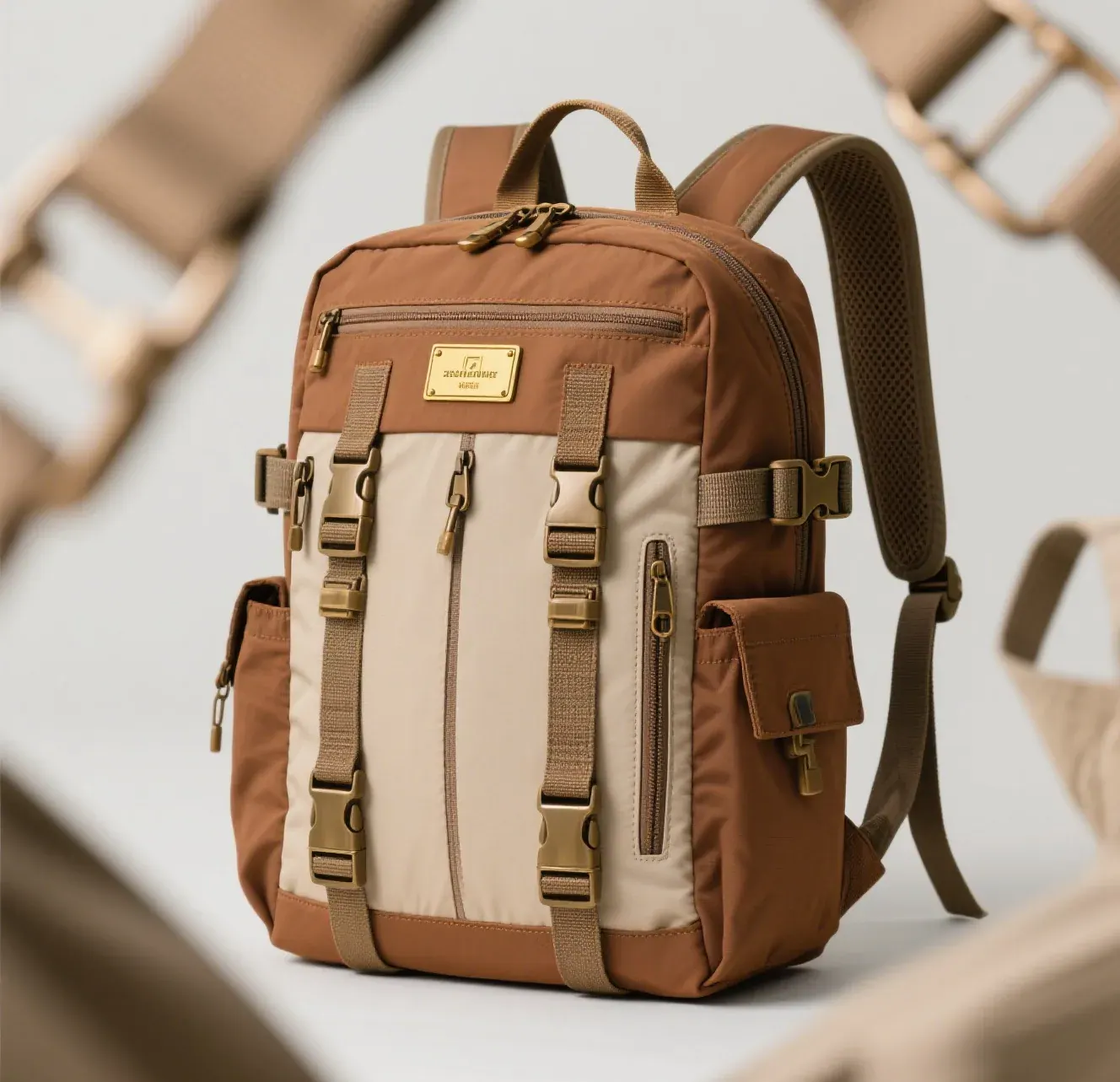
Recycled cloth takes coating and lamination in the same equipment as virgin cloth, with two cautions. The first is surface energy: recycled yarn carries more spin finish and processing residue, and a laminate bonded without a corona or plasma pre-treatment will show lower peel strength and, worse, will show it unevenly. The second is heat history: because the polymer has already been through one melt cycle, the window between a good weld and a degraded one is narrower, which on a radio-frequency weld means tighter control of dwell time.
| Process | Setting on recycled cloth | Acceptance | Failure mode | Control |
|---|---|---|---|---|
| Surface pre-treatment | Corona or plasma immediately before bonding | Dyne level 38 or above | Patchy peel across the roll | Treat inline, do not treat and store |
| Polyurethane coating | Direct or transfer, 20 to 60 grams per square metre | Head 3,000 mm or above | Pinholes at higher coating weights | Inspect coating by light table |
| Film lamination | Hot melt or flame, 0.10 to 0.18 mm film | Peel above 90 percent of fabric | Delamination after washing | Bond and test within the same shift |
| Radio-frequency welding | 27.12 megahertz, 1.2 to 3.5 seconds | Peel above 90 percent of fabric | Cold weld from a restarted run | One continuous run per seam |
| Seam taping | Tape width matched to the seam allowance | No lift after 20 washes | Tape edge lift at the ends | Round the tape ends |
Welding deserves a specific note for recycled shells, because it is where a recycled programme most often underperforms a virgin one in production rather than in the laboratory. Radio-frequency welding works by heating the polar molecules in the film, and it is tolerant of the substrate, so a recycled shell welds fine. Hot air and hot wedge welding work by melting the film from outside, and there the narrower thermal window of a recycled laminate shows up as more frequent cold welds. A programme that will be welded should say so at quotation stage, so the laminate is specified for weldability and the process is set up on the actual fabric lot rather than a reference swatch.
Cost, MOQ and Ordering a Recycled Programme
Recycled cloth costs more for three reasons: the flake supply chain is tighter than the virgin chip market, the yield from each melt is lower because of contamination, and the certification chain is billed per transaction. The premium lands in a predictable band, and it is worth knowing where, because the certificate fee is a fixed cost that hurts small orders far more than large ones. On a 500 piece first order the transaction certificate and laboratory testing can add one to three percent to unit cost; on a 5,000 piece repeat they round to nothing.
| Order item | Virgin polyester build | Recycled PET build | Delta | Comment |
|---|---|---|---|---|
| Shell fabric per metre | 1.60 to 2.60 USD | 1.75 to 3.15 USD | 8 to 22 percent | Denier and certificate route decide |
| Certification and transaction fees | None | 80 to 260 USD per transaction | Fixed cost | Material on orders under 1,000 pcs |
| Laboratory testing per lot | As required | Tensile, tear, abrasion, head | 120 to 320 USD | Recycled lots vary more |
| Lab dip approval | One per programme | One per fabric lot | One to two days | Shade drift between recycled lots |
| Sampling | 6 to 10 working days | 7 to 12 working days | 1 to 2 days | Dip and certificate handling |
| Bulk | 35 to 50 days | 37 to 52 days | 2 days | Certificate issued before shipment |
| MOQ | 500 pcs per design and colourway | 500 pcs per design and colourway | None | FOB Xiamen or DDP to 100+ countries |
- Recycled content is declared per fabric lot and backed by a transaction certificate issued before the shipment leaves.
- Monthly output of 200,000 units is verified by SGS, and materials are screened against REACH and California Prop 65.
- Programmes run under BSCI and ISO 9001 systems, with inspection at AQL 2.5 before release.
- A five-line brief starts a quotation: denier and weave, recycled percentage and feedstock, hydrostatic head, colourways, quantity.
Care, Service Life and Honest Claims
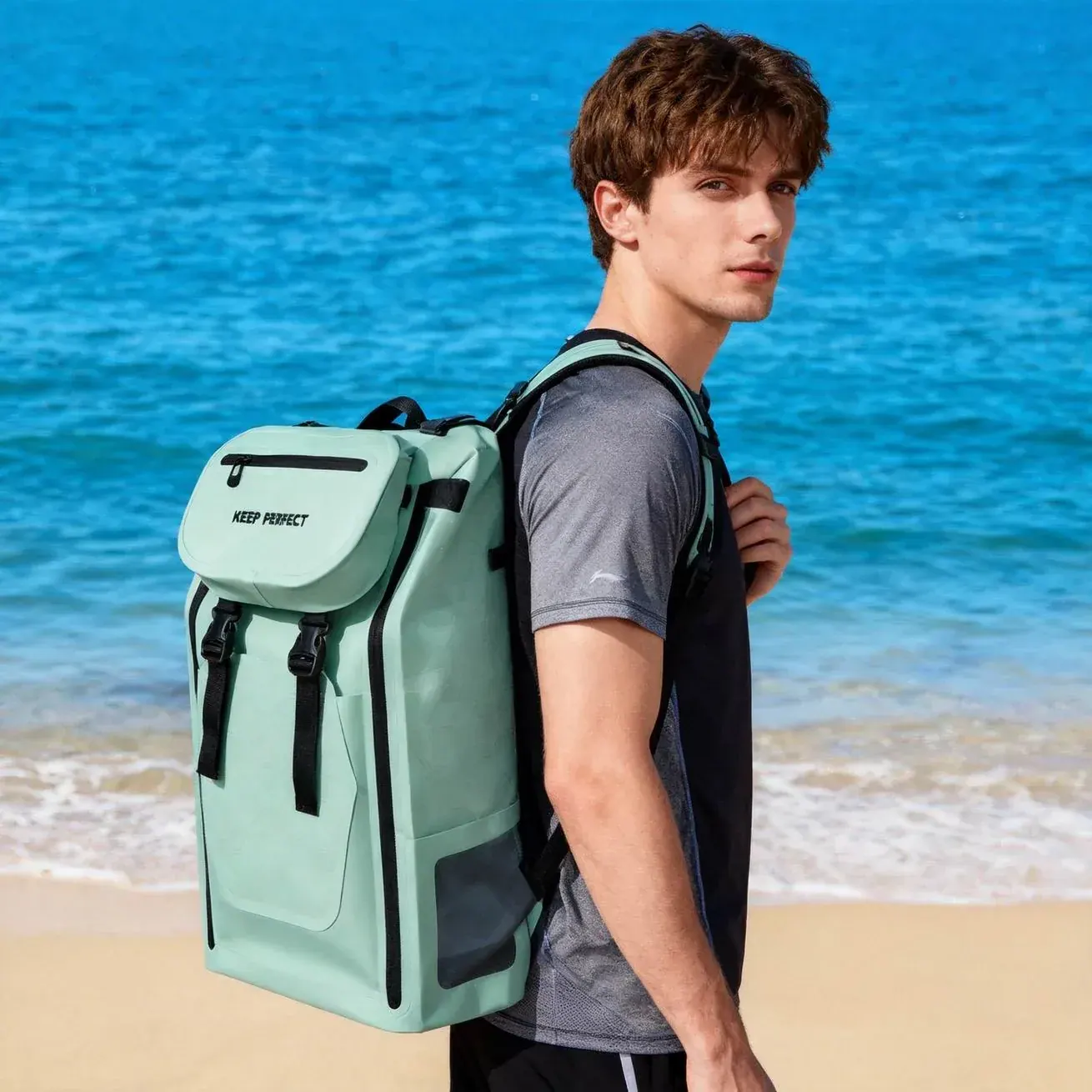
A recycled polyester shell lasts as long as a virgin one in service, which surprises buyers who expect the recycled claim to come with a shorter life. Abrasion and tensile are where the gap sits, at 5 to 12 percent, and both are margins rather than limits: a 600D recycled shell rated at 17,000 abrasion cycles still outlasts the harness, the closure and the lining on most packs. What actually ends a pack is the laminate, and the laminate ages by hydrolysis and by plasticiser loss at the same rate regardless of what the face yarn was made from. Care guidance is therefore unchanged: rinse salt and grit off, dry open and out of the sun, and store loosely rolled rather than creased.
| Care action | Why it matters on a recycled shell | Interval | Effect on service life | Mistake to avoid |
|---|---|---|---|---|
| Rinse salt and grit | Grit abrades the face, salt holds moisture | After every saltwater trip | Adds one to two seasons | Machine washing with softener |
| Dry open and shaded | Ultraviolet degrades the film, not the yarn | After every wet trip | Adds two to three seasons | Drying in direct sun for days |
| Store loosely rolled | A hard crease cracks the film | Off season | Prevents film cracking | Folding and stacking under weight |
| Renew the surface finish | Wetting out adds absorbed weight | When beading stops | Cosmetic plus weight | Assuming a wet face means a leak |
| Check welds annually | Delamination starts at an edge | Once a year | Catches a repairable fault | Only checking after a failure |
Say the percentage, say the feedstock, and do not imply the whole product is recycled when only the shell is, since a pack also carries a closure, webbing, buckles, foam and a film laminate that usually are not. Made with 60 percent recycled polyester shell by weight is defensible; recycled backpack is not, unless a large share of total mass actually is. Guidance on environmental marketing claims is published by the EPA, and the surface finish side of the same pack is covered in the PFAS-free materials guide.
Start a first recycled programme with the shell and the lining, leave the hardware alone, and declare a percentage the certification chain can support rather than the highest number marketing would like. Hold the mechanical properties separately, with a tear minimum and an abrasion minimum, so a lot substitution cannot move the pack down a grade. Recycled shells are not a compromise on waterproofness, since the film does that work. Shells, laminates and the certificates that accompany each lot are covered. Enquiries go to service@junyuanbags.com.
People Also Ask
Is recycled PET as waterproof as virgin polyester?
Yes, because waterproofness on a laminated shell comes from the thermoplastic film bonded to the back of the cloth, not from the face yarn. A recycled 600D shell and a virgin 600D shell both reach 8,000 to 10,000 millimetres of hydrostatic head at the same film thickness.
How much weaker is recycled polyester fabric?
Typically 5 to 12 percent lower in breaking force and one abrasion grade lower. A 600D virgin shell breaks at about 1,400 newtons and reaches 22,000 abrasion cycles, against 1,260 to 1,330 newtons and 17,000 to 20,000 cycles for the recycled equivalent.
What is the difference between a scope certificate and a transaction certificate?
A scope certificate says a site has been audited and may handle certified material, and it says nothing about a particular roll. A transaction certificate says a specific certified volume moved between named sites on a stated date, and it is the document that ties the claim to the shipped goods.
Which denier should a recycled waterproof backpack use?
420D ripstop for 30 to 45 litre general outdoor bodies, 600D for travel, expedition and work packs, and 300D for 20 to 30 litre daypacks. Stepping up one denier buys back the abrasion margin that recycled yarn gives away.
Can recycled polyester be radio-frequency welded?
Yes. Radio-frequency welding at 27.12 megahertz heats the polar molecules in the film and is tolerant of the substrate. Hot air welding is less forgiving, because recycled laminate has a narrower thermal window and cold welds appear more often.
Does recycled fabric cost more for small orders?
Yes, disproportionately. The cloth premium is 8 to 22 percent, but the transaction certificate at 80 to 260 USD and laboratory testing at 120 to 320 USD are fixed costs, so on a 500 piece order they add one to three percent to unit cost and on a 5,000 piece order they round to nothing.
Frequently Asked Questions
Q1. What is recycled PET fabric in a waterproof backpack?
Polyester yarn spun from post-consumer bottle flake or from chemically depolymerised PET, woven into a shell and laminated with a thermoplastic film. It is specified by denier, weave and recycled percentage, and the film rather than the yarn provides the waterproof barrier.
Q2. Does recycled PET change the waterproof rating of a pack?
No. Hydrostatic head is a property of the laminate, and a recycled 600D shell reaches the same 8,000 to 10,000 millimetres as a virgin one at equal film thickness. The recycled claim affects strength and abrasion margins, not waterproofness.
Q3. How much recycled content should a pack shell carry?
Whatever the certification chain can support. Fifty percent is the common commercial compromise because blending with virgin chip stabilises tensile strength, while 100 percent post-consumer content is achievable where a brand programme requires it and accepts wider lot variation.
Q4. What is the strength loss against virgin polyester?
About 5 to 12 percent on breaking force and tear strength, and roughly one grade on abrasion. A 600D recycled shell typically breaks at 1,260 to 1,330 newtons against 1,400 for virgin and reaches 17,000 to 20,000 abrasion cycles against 22,000.
Q5. Which certificate proves a recycled claim?
The transaction certificate, issued by the certification body per shipment, because it names the certified volume and the sites it moved between. A scope certificate alone proves only that a site was audited, and most audit findings are written against shipments held with no transaction certificate.
Q6. Why does recycled polyester vary in colour between lots?
Because collected bottle flake carries mixed colours and additive packages, so the base shade of the yarn drifts between lots and a matched colourway can sit one to two grey-scale steps off. Lab dip approval per lot with a delta E tolerance of 1.0 or below is the standard control.
Q7. What recycled content can be claimed for hardware and trims?
Usually none, unless specifically sourced. A pack also carries a closure, webbing, buckles, foam and a film laminate, and claiming the whole product is recycled when only the shell is will not survive a regulator or a retailer review.
Q8. Is recycled polyester welded or taped the same way?
Radio-frequency welding at 27.12 megahertz works the same, because it heats the film rather than the cloth. Hot air welding needs tighter control, and surface pre-treatment to a dyne level of 38 or above is required before lamination because recycled yarn carries more spin finish residue.
Q9. What is the MOQ and lead time for a recycled PET order?
500 pcs per design and colourway, with sampling in 7 to 12 working days and bulk in 37 to 52 days, two days longer than a virgin build for certificate handling. Shipments are FOB Xiamen or DDP to more than 100 countries, inspected at AQL 2.5.
Q10. How long does a recycled polyester waterproof pack last?
As long as a virgin shell in practice, because the component that ends a pack is the film laminate, which ages by hydrolysis and ultraviolet exposure at the same rate regardless of the face yarn. Rinsing salt, drying shaded and storing loosely rolled add two to three seasons.