Most waterproof backpacks pass airline carry-on rules if they are 30 litres or smaller and their depth compresses to 20 centimetres; the failure is almost always depth, not height. The widely applied overhead allowance is 55 by 40 by 20 centimetres, which corresponds to about 44 litres of bounding box and roughly 26 litres of usable space, while the under-seat personal item allowance is typically 40 by 30 by 15 centimetres. Weight is the second gate: 7 kilograms is the common carry-on ceiling on international carriers, and a 30 litre waterproof body weighing 1,100 grams empty reaches that ceiling with 5.9 kilograms of kit. A roll top collar and compression straps let a 35 litre body pass a gauge it would otherwise fail, because a soft body compresses in one direction and not the others. For bulk programmes, travel bodies enter at 500 pcs per design and colour, samples take 6 to 10 working days and bulk 35 to 50 days, FOB Xiamen.
The Carry-On Dimension Rule, and Why Depth Fails It
Cabin allowances are stated as three linear dimensions, and of the three it is depth that catches packs out. Height and width are set by the pattern and do not change, but depth is a function of how full the pack is and how hard the compression straps are pulled. A 35 litre body at 24 centimetres depth will usually compress to 19 or 20 centimetres with the collar rolled four times and the side straps tensioned, which is the whole difference between acceptance and a gate check.
The figures below are the ones applied most widely across mainline carriers, and they are planning figures rather than guarantees because every carrier sets its own. Treat the smallest number your itinerary contains as the design constraint, since a multi-leg journey is governed by its tightest segment rather than its longest.
| Cabin allowance type | Typical limit, cm | Inches | Bounding box litres | Largest pack that clears it |
|---|---|---|---|---|
| Under-seat personal item | 40 x 30 x 15 | 15.7 x 11.8 x 5.9 | 18 litres | 18 litre body, soft shell |
| Overhead, strict carriers | 55 x 40 x 20 | 21.7 x 15.7 x 7.9 | 44 litres | 30 litre body, compressed depth |
| Overhead, generous mainline | 56 x 45 x 25 | 22.0 x 17.7 x 9.8 | 63 litres | 40 litre body, soft sides |
| Regional turboprop overhead | Often below 50 x 40 x 20 | Varies by aircraft | 40 litres or less | 20 litre body is safe |
| Checked hold, soft pack | No internal limit | Not applicable | Not applicable | Any size with straps stowed |
Two caveats matter for waterproof bodies specifically. First, a welded laminated shell is stiffer than a woven one, so it compresses less: a 30 litre body in 500 denier TPU laminate typically compresses by 3 to 4 centimetres of depth, while the same body in a softer 420 denier nylon laminate manages 5 to 6. Second, a roll top collar rolled four times adds 3 to 5 centimetres of height at the top, which is fine for an overhead bin and a problem under a seat.
Personal Item Against Carry-On: Two Different Allowances
A personal item is not a smaller carry-on; it is a separate allowance with a different gate, and confusing the two is the most common reason a pack is refused at the jet bridge. The personal item has to fit under the seat in front, which is a far tighter space than an overhead bin because it is bounded by the seat rails and by the seatback structure. Anything taller than 40 centimetres will not go under a seat on most narrow-body aircraft regardless of how soft it is.
| Allowance | What it covers | Typical dimensions | Practical pack size | Usual weight cap |
|---|---|---|---|---|
| Carry-on bag | Overhead bin stowage | 55 x 40 x 20 cm | 26 to 30 litres | 7 to 10 kg |
| Personal item | Under the seat in front | 40 x 30 x 15 cm | 14 to 18 litres | 3 to 5 kg |
| Both combined | One of each, on most carriers | Not cumulative | Up to 48 litres total | Carrier specific |
| Low-cost carrier, bag only | Paid overhead allowance | 55 x 40 x 20 cm | 26 to 30 litres | 6 to 10 kg |
| Low-cost carrier, free item | Under seat, included in fare | 40 x 25 x 20 cm | 14 to 16 litres | No separate cap |
The useful planning trick for travellers who want a waterproof pack and a separate device bag is to split the allowances deliberately: an 18 litre body as the under-seat personal item holding the laptop, charger, documents and medication, and a 30 litre body overhead holding clothing and wet kit. That combination clears almost every carrier, keeps the device within reach during boarding, and means that if the overhead bag is gate checked the valuable items are still in the cabin.
Weight Allowances and Why Waterproof Packs Run Heavy
Waterproof construction costs weight, and on a carrier with a 7 kilogram carry-on ceiling that cost is measured directly against what you can carry. A laminated shell, welded seams, a roll top collar and water resistant hardware typically add 250 to 500 grams against an equivalent non-waterproof body of the same volume. Against a 7 kilogram limit, 400 grams is about 6 percent of the total allowance, which is one shirt, one litre of water and a washbag.
| Nominal volume | Empty weight, waterproof | Empty weight, standard | Kit allowed under 7 kg | Kit allowed under 10 kg |
|---|---|---|---|---|
| 18 litres | 740 grams | 480 grams | 6.3 kilograms | 9.3 kilograms |
| 22 litres | 860 grams | 590 grams | 6.1 kilograms | 9.1 kilograms |
| 26 litres | 980 grams | 690 grams | 6.0 kilograms | 9.0 kilograms |
| 30 litres | 1,100 grams | 780 grams | 5.9 kilograms | 8.9 kilograms |
| 35 litres | 1,280 grams | 910 grams | 5.7 kilograms | 8.7 kilograms |
| 40 litres | 1,450 grams | 1,050 grams | 5.6 kilograms | 8.6 kilograms |
Carriers that publish no carry-on weight figure are the exception rather than the rule, and in practice the limiting factor on those flights is the ability to lift the bag into the bin unaided, which caps most people around 10 to 12 kilograms. Where a weight cap does apply, the cheapest way to buy back allowance is to strip the pack rather than to buy a lighter one: hip belts, rain covers and moulded back panels together account for 200 to 400 grams on a travel body and can be removed for transit.
At Security: What a Waterproof Pack Has to Do
Screening is where waterproof construction interacts with procedure, because the two features that make a pack waterproof, a stiff laminated shell and sealed hardware, are also the two that make an officer ask for a manual check. A rigid body shows as a dense mass on the X-ray, and a full-width welded seam reads as a solid line. Neither is a problem in itself, but both increase the chance of a bag search, so packing for screening is a real design consideration rather than an afterthought.
- Devices out: machines above 15 inches are removed from the bag at a large and growing number of checkpoints, so a rear access compartment shortens the process to under 15 seconds.
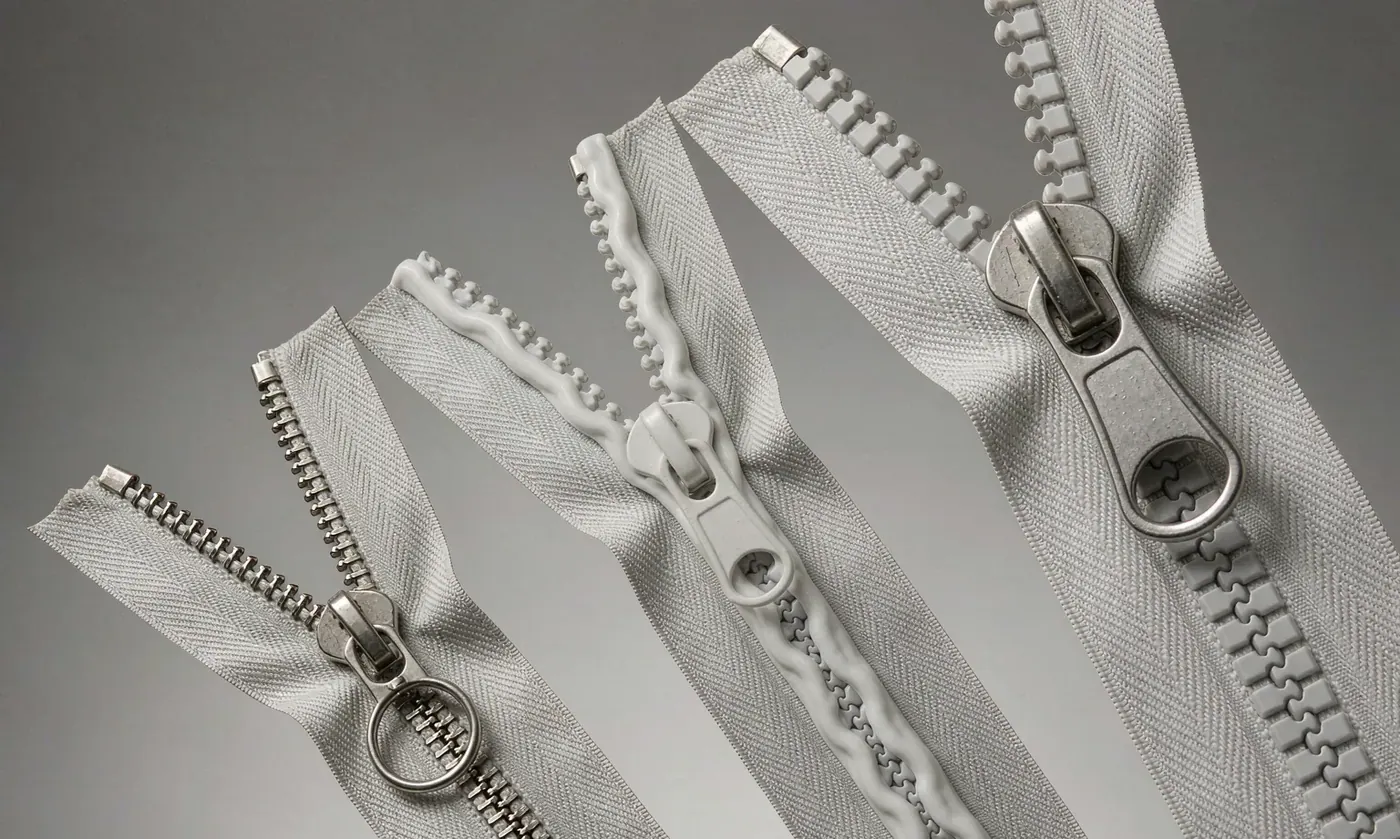
- Hardware profile: a low profile slider and a flat puller let the pack lie flat in a tray; a bulky moulded puller keeps it tilted and invites a rescan.
- Welded seams: a full-width weld reads as a dense line on X-ray, so avoid welding across the exact centre of the main panel where a device would sit.
- Liquids together: keep every container under 100 millilitres in one clear resealable bag no larger than 1 litre, placed in an external pocket rather than buried.
- Empty the pack of water before screening: a hydration bladder or a wet cavity holding 500 millilitres adds 500 grams and will be queried.
The liquids rule is the one that catches travellers most often, and it applies to the container rather than to the contents: a 500 millilitre bottle holding 80 millilitres of liquid is not permitted, while a 100 millilitre bottle that is nearly full is. The rule is generally stated as containers of no more than 100 millilitres in a single transparent resealable bag of about 1 litre capacity, one bag per passenger, presented separately at the checkpoint.
| Item | Rule as usually applied | Implication for a waterproof pack |
|---|---|---|
| Liquids and gels | 100 ml containers, one 1 litre clear bag | External quick access pocket, top of pack |
| Alcohol hand sanitiser | Often allowed up to 350 ml at screening | Keep it accessible, not in a sealed cavity |
| Aerosols and pressurised cans | Restricted or prohibited in carry-on | Do not design a dedicated aerosol sleeve |
| Hydration bladder | Must be empty at screening | Use a wide mouth that can be checked visually |
| Wet kit in a separate cavity | No rule, but will be queried if it holds water | Drain the cavity before the checkpoint |
Alcohol based sanitiser is the item most often packed in the wrong place, and guidance on its use and composition is published by CDC. The practical advice for pack design is unchanged either way: keep anything that an officer may want to see in an external pocket with a colour coded puller, because a search conducted by unpacking a roll top collar in a queue is the single worst outcome of a badly laid out travel body.
Regional Aircraft and Low-Cost Carrier Variation
Mainline figures are not the ones that decide most journeys. Regional turboprop and small regional jet fleets run overhead bins that are frequently shallower and shorter than mainline bins, and on many of these aircraft anything larger than a 20 litre body is tagged at the aircraft door. Low-cost carriers apply the same dimension rule but charge for the overhead allowance, so the economic decision shifts as well as the dimensional one.
| Flight type | Realistic overhead space | Safe pack size | What usually happens above it |
|---|---|---|---|
| Mainline narrow-body | 55 x 40 x 20 cm | 30 litres compressed | Accepted unless the flight is full |
| Mainline wide-body | 56 x 45 x 25 cm | 40 litres | Accepted, bin space rarely binds |
| Regional jet, 50 to 90 seats | Often below 50 x 40 x 20 cm | 20 litres | Gate checked at the aircraft door |
| Turboprop, 30 to 70 seats | Frequently 40 x 35 x 20 cm | 14 to 18 litres | Tag and return at the aircraft |
| Low-cost carrier, paid allowance | 55 x 40 x 20 cm | 30 litres compressed | Fee charged at the gate, often triple |
The pattern across that table is that a 20 litre body is the only genuinely universal size. A 30 litre body clears mainline and most narrow-body regional aircraft, fails on turboprops, and attracts a fee on low-cost carriers unless it is pre-paid. Anyone whose itinerary includes a regional leg should plan for the tag rather than assume the bin, which argues for a body small enough to work as a personal item and a separate soft duffel that can be checked if the overhead fails.
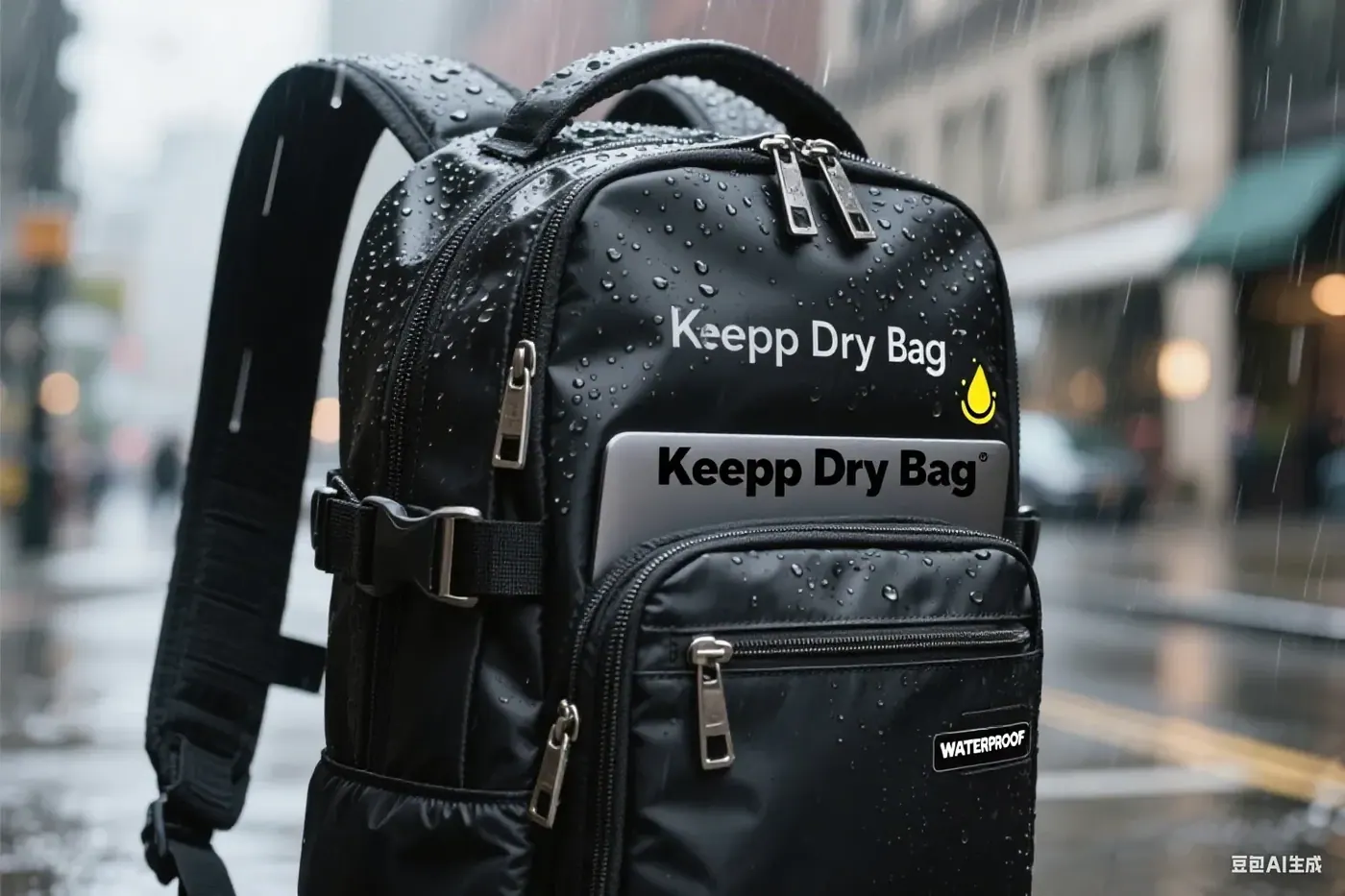
Durability under airline handling is the other half of the compliance question, and it is where a travel body earns its specification. Baggage is dropped, dragged and stacked, and the drop and handle testing applied to luggage in this class is standardised by ASTM, whose methods cover handle cycles, drop energy and tumbling. A travel body specified to those methods survives a season of overhead bins; one specified only to a marketing rating does not.
When to Check the Pack Instead of Fighting for the Bin
There is a point at which carrying a pack into the cabin stops being worth it, and it is reached sooner than most travellers accept. A full flight on a narrow-body aircraft has roughly 1.2 to 1.6 bin spaces per passenger once coats and crew bags are stowed, so on a high load-factor service the last 15 to 25 boarded passengers will be asked to hand over their bags regardless of size. Being asked at the gate costs nothing; being asked at the aircraft door costs fifteen minutes in a jet bridge.
The decision rule is simple. If the journey has a connection of under 60 minutes, check the bag or accept the fee rather than risk a gate tag, because a tag issued at the aircraft door usually means the bag goes to the hold and comes back at the carousel. If the bag contains anything that cannot be replaced within 24 hours, keep it in the cabin. Everything else is a judgement about time against money.
- Stow every strap before checking: a loose shoulder strap or hip belt is the most common cause of damage on a conveyor, and it takes 20 seconds to tuck them away.
- Compress the body fully and clip the compression straps, so nothing can catch on a belt or a roller.
- Remove the device and any battery, since lithium cells above 100 watt hours are restricted in the hold on most carriers.
- Photograph the pack and the bag tag together, which resolves most claims within 7 to 14 days rather than 30.
- Use an external identification panel rather than a card in an internal pocket, because a card in a welded cavity cannot be read without opening the bag.
A waterproof body is genuinely better suited to being checked than a conventional one, for two reasons that are worth stating on a product page. A welded shell with no stitched seams does not leak when it is set down on a wet apron during transfer, which is a routine event on regional connections. And a laminated face wipes clean of the belt grease and hydraulic fluid that transfer onto soft bags, so a checked waterproof pack usually arrives serviceable rather than stained.
Packing a Waterproof Pack to Pass the Gauge
Passing a gauge is a packing discipline rather than a property of the pack, and it takes about three minutes at home before departure. The sequence is fixed: heavy and flat items against the back panel, soft items filling the corners, the collar rolled to the minimum number of turns that still seals, and the compression straps tensioned last. Practise it once and note the depth achieved, because that number is what the airline sees.
- Roll the collar three times for rain and four for heavy rain; the third turn costs 2 centimetres of height and the fourth another 1.5.
- Pack the densest items flat against the back panel so the load does not push the front face outward, which is what fails the depth gauge.
- Fill the corners with soft kit rather than leaving them empty; an empty corner collapses inward and an overfilled one bulges outward.
- Tension the side compression straps after the collar is rolled, not before, so the straps work on the final shape of the body.
- Stow the hip belt behind the back panel and tuck the shoulder straps under the lid so nothing catches on the bin lip.
- Weigh the pack at home on a luggage scale with a 100 gram accuracy, because airport scales are frequently 300 to 500 grams pessimistic.
Two packing choices are worth calling out as mistakes. The first is carrying a rain cover on a pack that is already waterproof: a cover adds 120 to 180 grams, is useless in an overhead bin and is the item most often left behind at a checkpoint. The second is filling a wet cavity with water at any point before boarding, since a 4 litre cavity holding even 500 millilitres adds weight and will be opened for inspection.
Specifying a Travel Body for a Programme
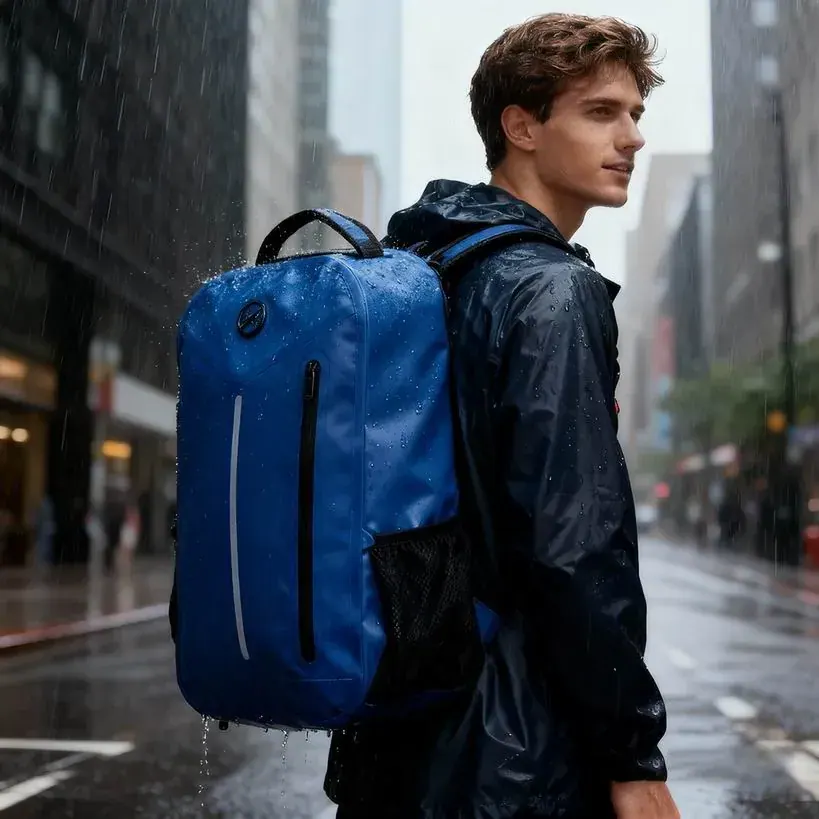
A travel body designed against cabin rules is a different specification from a trail body of the same volume, and the differences are cheap if they are decided at the pattern stage. Three decisions do the work: capping nominal volume at 30 litres so the body clears the strict overhead figure, using a softer 420 denier laminate rather than a stiff 500 denier one so the depth compresses by 5 to 6 centimetres, and putting a rear access device compartment on the body so the machine comes out at screening without unpacking the collar.
- Cap nominal volume at 30 litres for a mainline compliant travel body; 35 litres only if the range is aimed at wide-body routes.
- Specify a 420 denier laminate for compressibility and accept a 40 to 60 gram saving as a bonus rather than a goal.
- Put a drain grommet at the base of any wet cavity so it can be emptied before a checkpoint.
- Use low profile hardware on the front face so the pack lies flat in a screening tray.
- State the compressed depth in the specification, not just the nominal depth, and test it with a 6 kilogram load.
Compliance documentation for a travel range is straightforward and worth preparing once: a dimension sheet giving nominal and compressed figures, a weight sheet giving empty and accessorised weights, and a materials declaration covering REACH and California Prop 65. Carriers do not ask for these, but retailers in several markets do, and having them shortens the listing process by two to four weeks. Reference material and the inspection records for travel bodies are held.
Sizing for the wider range is set out in the size and capacity guide, the travel bodies themselves are covered in the waterproof travel backpack overview, and device compartments sized for cabin use are described in the waterproof laptop backpack range. A curated shortlist of cabin friendly bodies is maintained in the best travel backpack round-up.
People Also Ask
Can a 40 litre backpack be carry-on?
Only on generous mainline carriers and wide-body aircraft. The widely applied overhead figure is 55 by 40 by 20 centimetres, which a 40 litre body exceeds on depth. Thirty litres is the largest size that clears strict gauges once compressed.
What size backpack is considered a personal item?
Roughly 40 by 30 by 15 centimetres, which corresponds to a 14 to 18 litre body. Anything taller than 40 centimetres will not go under a seat on most narrow-body aircraft, however soft the material.
Do airlines weigh carry-on backpacks?
Most international carriers do, with 7 kilograms the common ceiling and 10 kilograms on more generous ones. Several North American carriers publish no weight figure and rely on the passenger being able to lift the bag unaided.
Why was my backpack gate checked when it fit the dimensions?
Usually because the flight was full rather than because the bag was oversized. Overhead bins run out of space on high load-factor flights, and gate agents tag the last 10 to 20 bags boarded regardless of size.
Do waterproof backpacks set off airport security?
Not by themselves, but a stiff laminated shell and a full-width welded seam read as dense areas on X-ray and raise the chance of a manual check. Packing for screening reduces the risk considerably.
Can I carry a hydration bladder through security?
Yes, but it must be empty. A bladder holding even 500 millilitres adds weight and will be queried, and some officers will ask for it to be removed from the pack to be inspected.
Frequently Asked Questions
Q1. What is the maximum carry-on backpack size?
Fifty-five by 40 by 20 centimetres is the figure applied most widely, which corresponds to a 30 litre body with the collar rolled and the compression straps pulled. More generous mainline carriers allow 56 by 45 by 25, which admits a 40 litre body.
Q2. Is a 30 litre backpack carry-on approved?
Yes on most mainline carriers once the depth is compressed to 20 centimetres. A 30 litre body measures about 52 by 31 by 22 uncompressed, so the 2 centimetres of depth that has to come off is the whole task.
Q3. How much weight can I carry in a carry-on backpack?
Seven kilograms is the common international ceiling and 10 kilograms on more generous carriers. A 30 litre waterproof body at 1,100 grams empty leaves 5.9 kilograms of kit against a 7 kilogram limit.
Q4. Do waterproof backpacks count as a personal item?
Only if they fit under the seat, at roughly 40 by 30 by 15 centimetres. An 18 litre body qualifies almost everywhere; a 30 litre body is a carry-on bag and occupies the overhead allowance.
Q5. Can I take liquids in a waterproof backpack through security?
Yes, in containers of 100 millilitres or less carried together in one transparent resealable bag of about 1 litre. The rule applies to the container size rather than the amount of liquid inside it.
Q6. Do I need to take my laptop out of a waterproof backpack?
At a growing number of checkpoints, yes for machines above 15 inches. A rear access device compartment reduces the process to under 15 seconds, against 40 to 60 seconds to unpack a roll top collar.
Q7. Are waterproof backpacks heavier than standard carry-on bags?
Yes, by 250 to 500 grams at the same volume, because of the laminated shell, welded seams and sealed hardware. Against a 7 kilogram limit that is about 6 percent of the allowance.
Q8. What happens if my backpack is slightly over the dimension limit?
A soft body is usually accepted if it visibly compresses, because staff judge by eye rather than by measurement. A stiff laminated shell that will not compress is far more likely to be stopped and charged.
Q9. Can I carry a wet waterproof backpack onto a plane?
Yes, but drain it first. A wet cavity holding 500 millilitres adds weight, will be queried at screening, and will soak through a seat pocket or an overhead bin during the flight.
Q10. Do low-cost airlines allow a waterproof backpack for free?
Usually only as an under-seat personal item at about 40 by 25 by 20 centimetres. The overhead allowance is charged, and paying at the gate commonly costs two to three times the pre-booked fee.
Q11. Should a travel backpack have a rain cover?
No. A rain cover adds 120 to 180 grams, does nothing inside an aircraft, and is the item most often left behind at a checkpoint. On a body that is already waterproof to IPX6 the cover is dead weight.