A waterproof shore fishing backpack should reach IPX6 for spray and IPX7 if the angler wades into surf or fishes from a rock ledge where a wave can put the bag under for several seconds, and it should carry 25 to 40 L for a four to six hour session. Salt spray, sand and fish slime are the three things that destroy a pack here, so specify 600D TPU at 0.45 to 0.55 mm, acetal hardware and covered zips, with a welded base that rises 80 to 120 mm up the walls. Keep the pack above the waterline when wading: never take it deeper than mid-thigh, and use a chest-height dry core for the phone and keys at all times. Sand is the real enemy, because one grain in a slider scores the tape permanently, so rinse tracks within two hours and brush the collar dry. Rods, pliers and a knife ride on external D-rings and in holsters, never loose inside the dry body.
Decide Between Spray Protection and Real Immersion
Shore fishing covers four very different water exposures that are often sold under one label. A canal bank or reservoir margin produces rain and the occasional splash from a landed fish. An exposed beach produces continuous salt spray, airborne sand and the odd wave that reaches the gear line. A rock ledge or a headland produces spray from breaking swell plus a genuine risk that a larger wave takes the bag. Wading into the surf adds immersion up to the depth the angler chooses to enter. Each of these deserves a different rating, and the cheapest mistake is specifying the highest one everywhere.
| Shore scenario | Typical event | Exposure | Minimum rating | Closure |
|---|---|---|---|---|
| Canal or reservoir bank | Rain and fish splash | Intermittent | IPX5 | Covered zip or two-turn roll |
| Sheltered estuary margin | Spray and muddy contact | 10 to 60 min | IPX6 | Three-turn roll |
| Exposed surf beach | Continuous salt spray and sand | 2 to 6 h | IPX6 | Covered zip plus storm flap |
| Rock ledge or headland | Breaking swell over gear | 5 to 30 s | IPX7 | Three-turn roll with stiffener |
| Chest-height wading | Wave to shoulder level | 1 to 5 s per wave | IPX7 | Rated airtight zip preferred |
These codes carry specific meanings. The definitions are published in the IEC 60529 ingress protection reference: IPX6 is a powerful jet over several minutes, while IPX7 is 30 minutes of temporary immersion at 1 metre under controlled conditions. An angler standing on a ledge two metres above the water still needs IPX7, because a single wave can put the bag under longer than any jet test lasts.
Ratings apply to the closed system with a realistic load. A bag tested empty with a loosely packed collar will behave differently from the same bag loaded with 8 kg of clothing, water and food, because the closure pressure changes. Qualify the pack with the actual session load and the actual air content, and record both figures on the specification.
State the claim per zone rather than per bag. A welded main body protects layers and electronics; a drained external pocket holds pliers, a knife and a leader spool; an open mesh sleeve carries a water bottle and a headlamp. Anglers accept an honest split far more readily than a single vague waterproof promise that fails the first time a wave lands on the gear.
Size for a Session Rather Than for a Day Hike
A shore session runs four to six hours, often starting before dawn, and the load is driven by clothing and water rather than by equipment weight. Two litres of water weigh 2 kg; a warm layer set weighs 0.8 to 1.5 kg; food and a flask add 0.5 to 1.0 kg; a first-aid kit, headlamp and spare batteries add another 0.5 kg. That is 4 to 5 kg before any angling item is considered, and it explains why 25 to 35 L is the working range rather than the 15 L many people expect.
| Session type | Pack volume | Packed mass | Contents | Notes |
|---|---|---|---|---|
| Two-hour estuary cast | 20 to 25 L | 4 to 6 kg | Water, layer, snack, phone | Lightest practical setup |
| Half-day surf session | 25 to 35 L | 6 to 9 kg | Adds food, flask, first aid | Most common shore size |
| Full dawn-to-midday session | 30 to 40 L | 8 to 11 kg | Full layer set, 2 to 3 L water | Needs external tool carry |
| Cold-season rock fishing | 35 to 45 L | 9 to 13 kg | Insulation, flask, spare gloves | Volume driven by clothing |
| Two-angler shared kit | Two 30 L packs | 7 to 9 kg each | Split water and safety kit | Easier on a long walk-in |
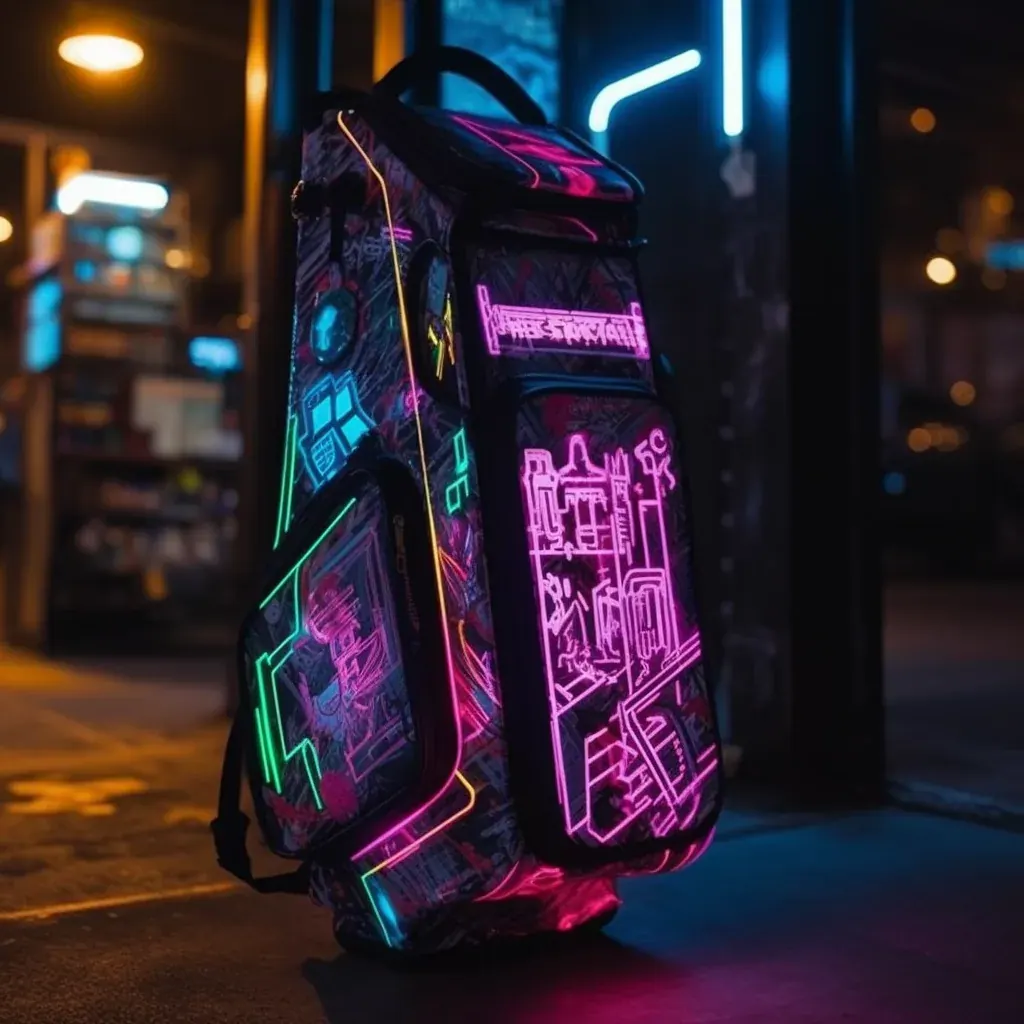
Volume rather than mass governs shore fishing, which is the reverse of a mountain day. Insulation, spare gloves and a flask take space out of all proportion to their weight, and a pack that is comfortable at 9 kg can feel cramped at 30 L. Choose the volume first and then check that the harness handles the resulting mass, not the other way round.
The waterproof backpack for boating overview covers general marine use, and the best waterproof backpacks comparison ranks models across activities. Shore fishing adds two constraints neither covers: an abrasive sand and pebble environment underfoot, and a session length measured in hours of standing rather than moving.
Carry Rods, Tools and Wading Kit Without Losing the Pack
This article describes a general waterproof backpack used by an angler, not a dedicated tackle carrier, which belongs to a different product line. That distinction matters: rods, nets and trays should ride externally on D-rings, holsters and straps, while the sealed body holds clothing, food, water and electronics. Anything wet, sharp or smelly belongs outside the dry cavity, and the pack should be rigged so that tools can be reached with one hand while the other holds a rod.
| Carry element | Specification | Load test | Use rule |
|---|---|---|---|
| Two side tool D-rings | 20 mm webbing loops | 300 N each for 60 s | Pliers and knife in holsters |
| Rod butt sleeve | External drained sleeve | Holds 1 rod butt only | Never inside the dry body |
| Net attachment | Two upper D-rings | 300 N each | Keep clear of the casting arc |
| Bait container | External sealed box, not the bag | Leak test 24 h | Never share space with food |
| Knife holster | Covered blade, drained | One-hand access wet | Secure before every cast |
| Spare spool pocket | Drained external pocket | Sand flush each session | Rinse leader and line |
Sharp items are the main internal risk. A hook, knife or split ring loose inside a welded body will find the lining, and a repair to a laminated shell is rarely as strong as the original weld. Keep all terminal tackle in its own box in an external pocket, and check the pocket floor after each session for stray hooks before anything else goes in.
Weight distribution changes with a rod in hand. A pack loaded with 8 kg sits differently when the angler is casting repeatedly, so keep the load high and close to the back, tighten the sternum strap and use a hip belt above 7 kg. A pack that swings during a cast is both uncomfortable and dangerous on a wet rock.
Keep the Pack Above the Waterline When Wading
Wading is where shore anglers lose equipment. The decision to wade should be made before entering, based on swell period, footing and exit route, and the pack should never be taken into water deeper than mid-thigh. A wave that reaches chest height on the angler can submerge a pack worn on the back for two to five seconds, and two or three of those in succession will find any weakness in a closure that is not rated for immersion.
| Wading depth | Pack position | Wave risk | Recommended action |
|---|---|---|---|
| Below knee | On the back, normal carry | Low | Normal session, keep collar closed |
| Knee to mid-thigh | On the back, hip belt off | Moderate | Turn to face every set |
| Mid-thigh to waist | Not recommended | High | Move the pack above the tide line |
| Chest height | Never wear the pack | Severe | Fish from the bank instead |
| Rock ledge above water | On the ground, two-point anchor | Moderate | Anchor through D-rings, 150 mm above the splash line |
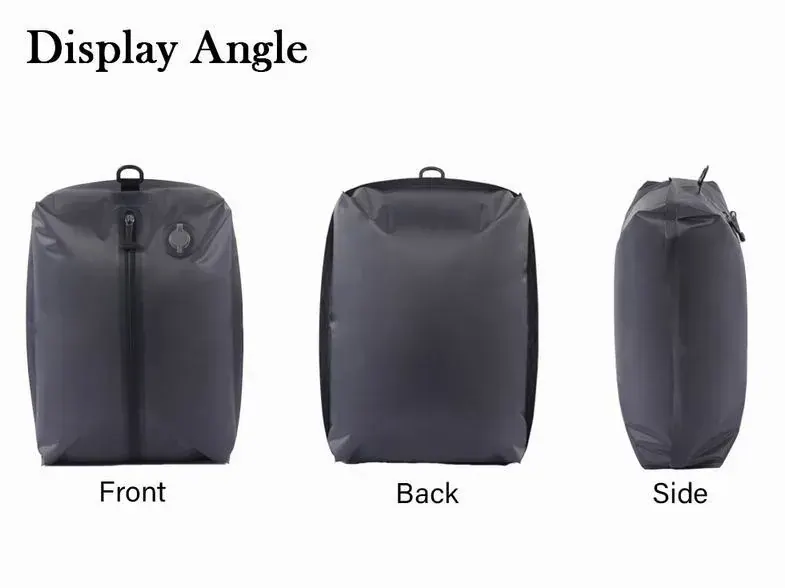
Anchor the pack when it stays on the shore. Two D-rings and a short strap to a rock, a post or a driftwood log stop a wind-blown pack from rolling into the surf, and a bright upper panel makes it findable in flat pre-dawn light. Place it at least 3 m above the highest recent wash line and check that the tide is falling rather than rising before committing to a long session.
Footing deserves the same attention as the pack. Wet rock, weed-covered ledges and soft sand all fail without warning, and a fall while carrying 9 kg on the back is a far more serious event than a fall while walking. Non-slip footwear, a wading staff on uneven ground and a planned exit route matter more than any specification on the bag itself.
Build Zones for Bait, Tools and Dry Electronics
Three zones solve shore fishing: a sealed 4 to 6 L core for phone, keys, wallet and a small first-aid kit; a main dry body for clothing, food and water; and an external drained area for tools, bait boxes and anything wet or smelly. The core must close independently and be visually distinct, because anglers open the main body repeatedly with wet hands and cannot afford to contaminate the phone each time.
| Zone | Protection level | Contents | Opening rule |
|---|---|---|---|
| Sealed inner core | Independent welded roll pouch | Phone, keys, wallet, medication | Open only on dry ground |
| Padded electronics sleeve | 8 mm foam inside the core | Phone and spare batteries | Keep 40 mm above the base |
| Main dry body | IPX6 or IPX7 welded shell | Layers, food, water, flask | Three turns every time |
| Drained tool pocket | No sealed claim, drain holes | Pliers, knife, leader spool | Rinse and brush each session |
| Bait box position | External, sealed container | Bait in its own box only | Never inside the dry body |
Water belongs inside the dry body only if the container has been tested. A 1 L bottle that weeps under pressure has ruined more sleeping layers than any wave, so carry water in a container with a screw top rated for the job and check the seal each season. Two 1 L bottles placed symmetrically balance the pack better than one 2 L bottle on one side.
Food and bait must never share a space. Fish oil and bait residue transfer to anything they touch, and a sandwich that tastes of bait is the least of the problems; the residue also attracts insects and can harbour bacteria. Keep bait in a rigid external container and wash hands or use wipes before touching food or the phone core.
Choose Fabric and Hardware for Salt, Sand and Slime
Shore fishing is harder on materials than almost any other waterside activity. Airborne salt dries into crystals that work into zips and buckles, sand abrades every surface the bag touches, and fish slime plus bait residue leave a film that attracts dirt. A 600D TPU laminate at 0.45 to 0.55 mm is the working specification, with a welded base panel rising 80 to 120 mm up the walls and 840D patches wherever the bag sits on rock.
| Environment | Shell | Hardware | Wear target | Care priority |
|---|---|---|---|---|
| Freshwater bank | 420D TPU, 0.40 mm | Acetal buckles | 20,000 base cycles | Dry after each session |
| Estuary mud margin | 600D TPU, 0.45 mm | Covered acetal | Mud wash test | Hose off before drying |
| Exposed surf beach | 600D TPU, sealed collar | Covered zips, acetal | Sand ingress screen | Brush collar and tracks |
| Rock ledge and headland | 600D body, 840D base | Recessed acetal | Rock drag abrasion test | Inspect base patch weekly |
| Cold-season shore | 600D TPU, 0.50 mm | Glove-friendly acetal | Cold flex near 0 degrees | Warm flex before closing |
Hardware selection is more important than shell thickness. Metal buckles and exposed steel springs corrode within one coastal season and then stain the laminate; acetal resists salt, stays light and operates with cold wet hands. Where a metal component is unavoidable for a specialist closure, it must be isolated from dissimilar metals and rinsed after every session.
Abrasion and corrosion resistance can be assessed with recognised laboratory methods. ASTM standards cover abrasion, coating and salt-spray procedures that translate well into a shore fishing acceptance plan: test wet coupons, test assembled anchor patches and test after sand exposure rather than only on new material. A dry laboratory result overstates field life on a beach considerably.
Read Tides, Swell and Weather Before Walking Out
Shore anglers are governed by the tide table more than by the forecast. A rising tide cuts off ledges and narrows beaches, a falling tide exposes new ground but can strand an angler on the wrong side of a channel, and the two hours around low or high water change both the fishing and the safety picture. Plan the session around a falling tide where possible, and always identify the exit route before the first cast.
- Check the tide table and the state of the tide at the start and end of the session, not just the times of high and low water.
- Read swell height and period together; a 1.5 m swell at a short period throws far more water at a rock ledge than the same height at a long period.
- Watch three sets before choosing a position, because the largest wave in a set arrives unpredictably and often seventh.
- Carry a headlamp and a whistle for pre-dawn and post-sunset sessions, both reachable without opening the dry body.
- Tell someone the venue, the planned position and the expected return time before any solo rock or surf session.
Tide predictions, coastal observations and marine forecasts are published through NOAA tides and coastal weather resources. Wind direction matters as much as speed: an onshore wind above 25 km per hour raises both spray load and wave height at the gear line, which is exactly when a marginal closure starts to leak. Treat that forecast as a specification test rather than a comfort issue.
Dawn and dusk sessions are the norm, which brings low-light handling into the specification. The waterproof hunting backpack overview covers quiet, low-light carry and glove-friendly hardware in detail, and several of its lessons transfer directly: reflective markers on the pack, one-hand buckle operation and a glove-compatible closure all matter when the light is flat and the ground is wet.
Qualify the Pack Before Opening Day
Qualify a shore fishing pack in five checks. Load it with the real 9 kg session kit, close it as it will be closed on the water, and immerse it at 1 metre for 30 minutes if an IPX7 claim is used. Spray it at IPX6-equivalent intensity for three minutes for the beach specification. Then drag the loaded base 5 metres over wet pebbles, dust the collar with 100 g of sand and perform 500 closure cycles, re-testing immersion afterwards.
| Qualification test | Condition | Pass criterion | Record |
|---|---|---|---|
| IPX7 immersion | 1 m, 30 min, 9 kg load | No mark in the dry core | Weight before and after |
| IPX6 spray | 3 min, all directions | No moisture in main body | Indicator paper map |
| Pebble drag | 5 m, 9 kg, wet rounded stone | No exposed yarn or puncture | Base photographs |
| Sand exposure | 100 g sand over closed collar | Clears in 30 s, no scoring | Zip operation count |
| Closure cycles | 500 cycles, wet and gritty | Three turns still achievable | Collar condition notes |
| Post-wear immersion | Repeat 1 m for 30 min | Critical core remains dry | Indicator paper |
Use indicator paper in the corners, beneath the closure and beside each anchor patch, and weigh the bag before and after. A slow leak often spreads without producing a visible pool, and on shore kit the usual culprit is sand in the collar rather than a failed weld. Brush and rinse the collar before re-testing, so the second result measures the shell rather than the grit.
For commercial programmes the baseline is 500 pcs per design and colour, with 6 to 10 working days for samples and 35 to 50 days for bulk, inspected at AQL 2.5. QUANZHOU JUNYUAN BAGS can hold the immersion, abrasion and sand sequence on file. Approval should lock closure type, base patch coverage, hardware material and tool-holster geometry, not only colour and volume.
Rinse, De-Sand and Store Between Sessions
Care starts before the pack reaches the car. Shake out sand at the water edge, brush the collar and zip tracks with a soft brush, then hose the whole bag with fresh water for 60 seconds at home, working the buckles and zips under the flow. Remove the tool pocket contents and rinse them separately, because hooks and leader wire hold salt against fabric. Hang the pack upside down in shade at 20 to 25 degrees Celsius for 8 to 12 hours with all compartments open.
| Interval | Action | Time | Retirement signal |
|---|---|---|---|
| At the water edge | Shake out sand, brush collar | 3 min | Grit that will not brush out |
| Within 2 h of the session | Full fresh rinse, cycle buckles | 10 min | Corrosion or stiff closure |
| Every 5 sessions | Inspect base patch and drain holes | 5 min | Exposed yarn or puncture |
| Every 3 months | 30 min loaded immersion or spray test | 45 min | Moisture in the dry core |
| Before rock season | Pebble drag and closure cycle check | 30 min | Three turns not achievable |
| End of season | Clean, dry 12 h, store unrolled | 20 min | Chalking into the seam line |
Store the pack unrolled, empty and dry, with holsters removed and straps loose. Sand left in a collar over a four-month off-season grinds into the laminate at the first closing of the new season, and a damp sealed core develops odour that survives any rinse. A 600D TPU shore pack can deliver four to six seasons of regular use if it is rinsed within two hours, brushed free of sand and kept off hot surfaces. Retire it when the closure cannot form three full turns, the base patch exposes yarn, or the dry core shows moisture in a repeated 30-minute immersion.
People Also Ask
What IPX rating does a shore fishing backpack need?
IPX6 is enough for spray on an exposed beach, but choose IPX7 for rock ledges, headlands or surf wading where a wave can put the bag under for 5 to 30 seconds. Test with the real 9 kg session load, not empty.
How deep can I wade while wearing a backpack?
No deeper than mid-thigh, and preferably not at all. A wave reaching chest height can submerge a worn pack for several seconds, so move the bag above the tide line and anchor it through two D-rings instead.
What size pack suits a half-day shore session?
Use 25 to 35 litres carrying 6 to 9 kg. Volume rather than weight governs shore kit, because insulation, spare gloves and a flask fill space faster than they add mass.
How do I carry pliers and a knife safely?
Use external holsters on 20 mm D-rings with covered blades and drained pockets. Never put sharp items loose inside the welded body, because a hook or blade will damage the lining and a repaired weld is rarely as strong.
Why does sand ruin more packs than water does?
A single grain in a zip slider scores the tape and opens a permanent leak path, and grit in the roll collar grinds the laminate on every closing. Brush the collar at the water edge and rinse tracks within two hours.
Should bait ever go inside a waterproof backpack?
No. Keep bait in a rigid external sealed container, because fish oil transfers to everything it touches and bait residue must never share space with food or the phone core.
Frequently Asked Questions
Q1. Can I use a regular waterproof backpack for shore fishing?
Yes, provided it reaches IPX6 for beach spray and IPX7 if you fish rock ledges or wade. Add external holsters for tools, keep bait and sharp items outside the dry body, and accept that sand care becomes part of every session.
Q2. Is a fishing tackle backpack different from this kind of pack?
Yes. A tackle carrier is built around trays, rod holders and boxes and belongs to a dedicated fishing line. The pack described here is a general waterproof backpack that carries clothing, water, food and electronics for an angler on the shore.
Q3. How do I stop salt ruining the zips and buckles?
Specify acetal hardware and covered zips, then rinse the whole bag within two hours of the session and operate every buckle under fresh water. Acetal avoids the corrosion that ends metal hardware in one coastal season.
Q4. Where should I put my phone when surf fishing?
In a 4 to 6 L sealed inner pouch that closes independently, inside an 8 mm padded sleeve and at least 40 mm above the welded base. Keep the pouch a different colour from the wet pocket so it is never opened with wet hands.
Q5. What fabric thickness works on rock ledges?
Use a 600D TPU body at 0.45 to 0.55 mm with 840D base patches and 20 to 25 mm welded seams. A thicker body cannot rescue a narrow weld, so seam width and peel strength belong on the specification alongside denier.
Q6. Can I wear the pack while casting?
Yes up to about 7 kg with the sternum strap tightened and a hip belt fitted. Above that, a swinging load affects balance on wet rock, so set the pack down and anchor it before casting from an exposed position.
Q7. How much water should I carry on a shore session?
Carry 2 to 3 litres for a four to six hour session, in two bottles placed symmetrically. Use screw-top containers that have been checked for leaks, because a weeping bottle has ruined more dry layers than any wave.
Q8. How do I anchor a pack on a beach?
Tie two D-rings to a rock, post or driftwood with a short strap, place the bag at least 3 m above the highest recent wash line and check that the tide is falling. A bright upper panel makes it findable in flat pre-dawn light.
Q9. What should I check before fishing from rock?
Tide state at the start and end of the session, swell height and period, three full sets before choosing a position, and a clear exit route. Carry a headlamp and whistle reachable without opening the dry body.
Q10. What are the MOQ and lead time for a shore fishing pack?
The baseline is 500 pcs per design and colour, samples take 6 to 10 working days and bulk takes 35 to 50 days, inspected at AQL 2.5. Closure type, base patch coverage, hardware material and holster geometry should be fixed before approval.