A rainforest waterproof backpack should be a welded IPX6 body rather than a rain cover, because tropical rain arrives two to four hours a day at intensities that soak any woven shell, and the real problem is not the rain but the 85 to 100 percent relative humidity that stops everything drying. Specify 600D TPU at 0.45 to 0.55 mm, covered zips, acetal hardware and a welded base, then manage the inside: 50 to 100 g of desiccant per 30 L, a 5 to 10 L dry module for electronics and a daily open-air routine that accepts 24 to 48 hours rather than 8. Condensation of 5 to 20 ml per day forms inside a sealed body when a cool night follows a 32 degree Celsius day, so the dry core must be independent. Plan drying around a fan or a dehumidified room, never around sunshine, and treat mud, leeches and river crossings as routine rather than exceptional.
Rain Is Not the Hard Part, Humidity Is
Travellers prepare for tropical rain and are then defeated by tropical humidity. A lowland rainforest basin receives 2,000 to 3,000 mm of rain a year, and the wettest Pacific slopes exceed 10,000 mm, but the daily pattern is often predictable: a clear morning, two to four hours of heavy rain in the afternoon and a warm wet night. What separates rainforest travel from a wet weekend at home is that relative humidity rarely falls below 85 percent and regularly sits at 95 to 100 percent overnight, so nothing dries between showers.
| Rainforest condition | Typical value | Effect on kit | Pack implication |
|---|---|---|---|
| Annual rainfall, lowland basin | 2,000 to 3,000 mm | Constant wet ground | Welded base, no flat bottom seam |
| Annual rainfall, windward slope | 6,000 to 10,000 mm | Sustained saturation | IPX6 welded body, covered zips |
| Daytime relative humidity | 80 to 95 percent | No passive drying | Fan or dehumidified room needed |
| Night-time relative humidity | 95 to 100 percent | Condensation inside shells | Independent dry core, desiccant |
| Day temperature | 26 to 33 degrees Celsius | Heavy sweating under harness | Ventilated back panel |
| Night temperature | 21 to 25 degrees Celsius | Dew point reached daily | Close the bag after sunset |
Temperature and humidity together also decide the sweat problem. A harness carrying 10 kg in 30 degree Celsius air at 90 percent humidity cannot evaporate sweat at all, so the back panel becomes a wet zone regardless of how waterproof the shell is. This is a different failure from leakage and needs a different answer: a suspended or channelled back panel, a light load and a shirt that is expected to be wet.
Long-term climate normals and rainfall records for tropical regions are published by NOAA climate and weather resources. Use monthly normals rather than annual totals when planning, because the wet season can concentrate 60 percent of the yearly rainfall into four months, and a trip in the sixth month of a dry season faces a completely different equipment problem.
The practical conclusion is that a rainforest pack must be judged on how it behaves when permanently wet, not on how it performs in a shower test. Every decision that follows, from closure type to desiccant quantity, comes from that single condition.
Choose a Welded Body Over a Rain Cover for Continuous Wet
A rain cover is the wrong tool for this environment. It protects a woven shell from above, but in a rainforest the pack is set down in mud, brushed against wet foliage, splashed from below by every step and handled with wet hands dozens of times a day. A cover that is removed and replaced forty times a day lets water in at every opening and ends up as a wet sheet stuffed into a pocket. A welded body with a rated closure removes those events entirely.
| Construction | Continuous rain result | Weight penalty | Best use |
|---|---|---|---|
| Woven shell plus rain cover | Soaks through in 2 to 4 h | 150 to 300 g cover | Occasional shower, urban travel |
| DWR-treated woven shell | Wets out in 1 to 3 h | None | Dry-season tropical travel |
| Welded TPU body, roll closure | Dry interior indefinitely | 200 to 400 g over woven | Wet-season rainforest trek |
| Welded body plus inner dry modules | Best control of zones | 300 to 600 g total | Camera and electronics travel |
| Poncho over pack and person | Pack stays dry, back stays wet | 250 to 450 g | Short wet-season day walks |
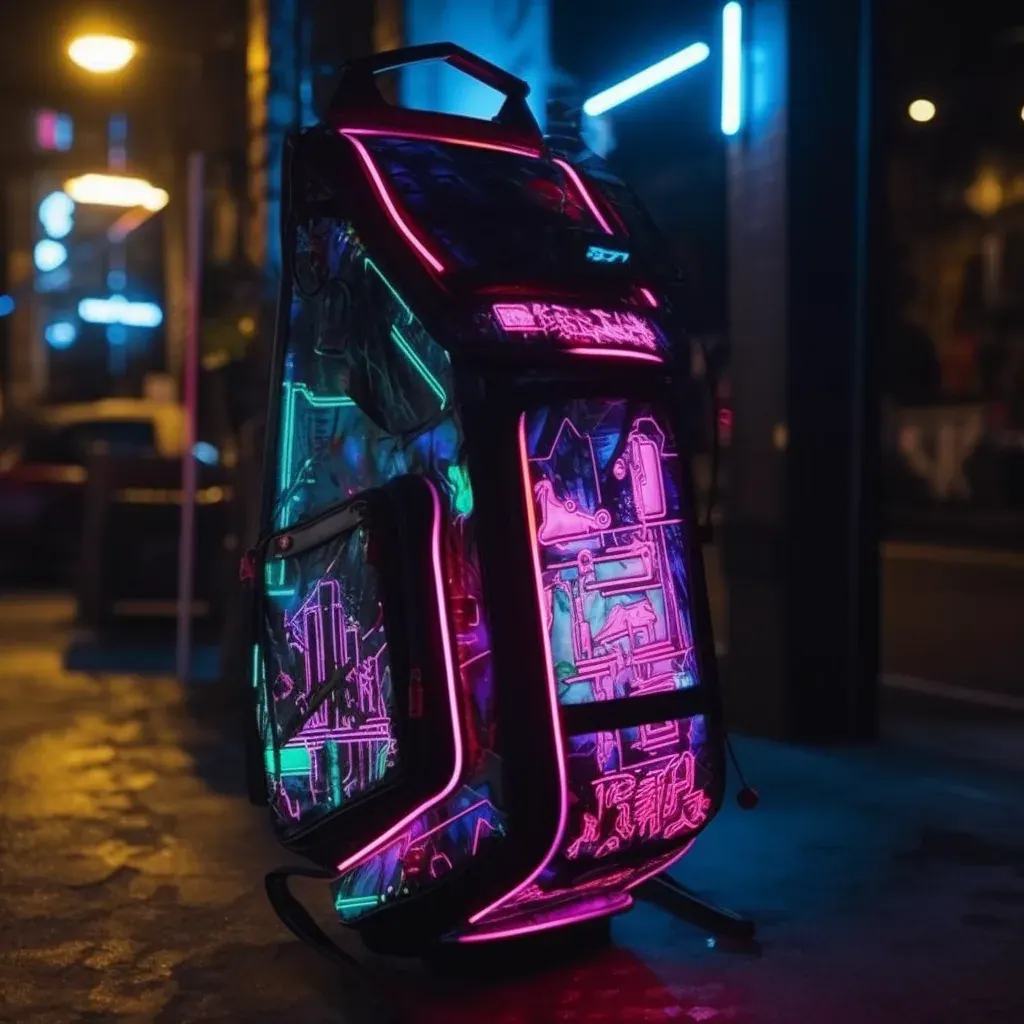
The trade-off is breathability, and it should be stated honestly. A fully welded body does not breathe, so internal moisture comes from two sources: what was packed damp and what condenses from the air inside. Neither is a leak, and both are managed by layout and desiccant rather than by ventilation holes that would simply admit rain.
Sizing follows the trip rather than the climate. The waterproof travel backpack overview covers volume and carry comfort for multi-stop journeys, and the waterproof hiking backpack guide deals with load transfer on trails. A rainforest trip combines both: 35 to 50 L for lodge-based travel, 50 to 70 L when camping, and in both cases every internal item should be packed as though the pack will be opened in the rain.
Manage Condensation Inside a Sealed Body
Condensation is the surprise for first-time rainforest travellers. A pack closed at 32 degrees Celsius and 90 percent humidity holds air with a high absolute water content; when the temperature drops to 22 degrees overnight, that air reaches dew point and deposits 5 to 20 ml of water on the inside of the shell over a single night. Over a ten-day trip that is enough to dampen clothing, fog optics and start mould on leather, even though the pack never leaked once.
| Moisture source | Typical amount | Control | Check |
|---|---|---|---|
| Air trapped at closing | 5 to 20 ml per night | Close at the coolest hour, purge gently | Interior wipe each morning |
| Damp clothing packed wet | 50 to 300 ml per item | Wring, then pack in a drained zone | Weight check before packing |
| Wet harness and back panel | 20 to 80 ml per day | Dry separately, keep outside the shell | Strap feel each evening |
| River crossing splash | 10 to 50 ml per crossing | Close before entering water | Wipe collar after crossing |
| Rain entering during opening | 5 to 30 ml per opening | Open under a poncho or tarp | Count openings per day |
Desiccant is the practical control. Use 50 to 100 g of silica gel per 30 L of sealed volume, distributed in three or four breathable sachets rather than one block, and place one sachet inside the electronics module. Indicator gel turns colour when saturated and can be regenerated in an oven at around 120 degrees Celsius for one to two hours, which is realistic in a lodge kitchen but not in a tent.
The rating question still matters for the shell itself. Definitions for ingress protection are maintained in the IEC 60529 ingress protection reference; rainforest trekkers should specify IPX6 for the body, which covers powerful jets for several minutes, and IPX7 only where river crossings or boat transfers can immerse the pack briefly. Condensation control and ingress protection are separate problems and should be specified separately.
Plan Drying Around Ninety Percent Humidity
The hardest skill in a rainforest is drying anything at all. Cotton that dries in four hours at 50 percent relative humidity can still be damp after 24 hours at 90 percent, and leather footwear often never dries completely during a two-week trip. The pack strategy is therefore to reduce what needs drying, isolate what is already wet and use the few dry hours aggressively rather than hoping for sunshine.
| Drying method | Effective at 90 percent RH | Time to dry a base layer | Notes |
|---|---|---|---|
| Open air, shaded camp | Almost none | 24 to 48 h or never | Only useful below 70 percent RH |
| Open air, strong breeze | Partial | 8 to 16 h | Hang outside the pack, not inside |
| Fan-assisted airflow | Good | 4 to 8 h | Best tent or lodge option |
| Dehumidified room | Excellent | 2 to 4 h | Available in many lodges |
| Body heat while walking | Good for socks | 1 to 3 h | Rotate pairs twice daily |
| Silica gel in a sealed box | Excellent for optics | 6 to 12 h | Regenerate gel each evening |
Build a wet zone and keep it outside the sealed body. A drained external compartment or a stuff sack hanging from the pack takes wet rain shells, wet socks and a wet towel, so the sealed body holds only dry kit. Rotate two pairs of socks: one worn, one drying on the pack exterior, because foot care is the health issue that ends more rainforest treks than any equipment failure.
Time openings around the rain. Most rainforest areas follow a pattern, with the heaviest rain in the mid to late afternoon, so the routine is to open the pack in the dry morning for 30 to 60 minutes, keep it closed through the wet afternoon and open it again under shelter in the evening. That single habit reduces internal moisture more than any product feature.
Protect Electronics and Optics From Fungal Growth
Fungal growth on optical glass is the most expensive rainforest failure, and it is a humidity problem rather than a water problem. Lens fungus becomes a realistic risk above roughly 70 percent relative humidity when glass carries trace organic material, and once hyphae etch a coating the lens cannot be restored. Cameras, binoculars, phones and charging electronics all need a controlled micro-climate rather than a waterproof shell.
| Item | Risk at 90 percent RH | Control | Check |
|---|---|---|---|
| Camera body and lens | Lens fungus, coating etch | Sealed module with 50 g gel | Inspect glass every 2 days |
| Binoculars | Internal fogging and fungus | Dry box with gel, warm before use | Check for haze before packing |
| Phone and power bank | Corrosion at ports | Sealed core, port plugs | Dry ports before charging |
| Charging cables | Green corrosion on contacts | Sealed pouch, wipe dry | Inspect contacts weekly |
| Laptop or tablet | Keyboard damp, board corrosion | Sealed sleeve, gel sachet | Power on daily to warm it |
| Leather items | Mould within 48 h | Avoid leather, use synthetics | Wipe and dry each evening |
A sealed electronics module works better than relying on the main body. Use a 5 to 10 L welded dry module inside the pack, place one fresh sachet of indicator gel inside it, and open the module only in the driest available space, ideally a lodge room or a tent vestibule rather than in the rain. Warm electronics slightly before opening them, because a cold device in humid air condenses immediately on its own circuit boards.
Charging deserves a plan. Humid air and wet fingers at a power socket are a poor combination, so charge in a dry room, keep port plugs closed at all other times and never charge a device that shows condensation on its screen. A 10,000 mAh power bank carried in the sealed module removes the need to hunt for sockets in damp communal areas.
Choose Fabric, Coating and Hardware for Continuous Wet and Heat
Heat and wet together attack coatings and adhesives rather than the base fabric. A laminate that performs for years in a temperate climate can show hydrolysis, film chalking or seam lift after two tropical seasons, particularly if it is stored wet. Specify 600D TPU at 0.45 to 0.55 mm with welded seams of 20 to 25 mm, acetal hardware and covered zips, and require evidence of humid-ageing performance rather than a standard abrasion result alone.
| Component | Specification | Humid-climate risk | Care |
|---|---|---|---|
| Shell laminate | 600D TPU, 0.45 to 0.55 mm | Hydrolysis and chalking | Rinse, dry, store below 60 percent RH |
| Seams | 20 to 25 mm welded | Seam lift when stored wet | Inspect every 5 trip days |
| Base panel | 840D patch, welded | Mud abrasion and puncture | Wash mud off before drying |
| Zips | Covered with storm flap | Corrosion and grit | Rinse in clean water, dry |
| Hardware | Acetal buckles | Metal corrosion and staining | Avoid exposed steel entirely |
| Back panel | Channelled closed-cell foam | Sweat saturation, no evaporation | Air daily, dry separately |
Laboratory methods exist for humid-ageing and fungal resistance, and a serious programme should require them. ISO humid-ageing and fungal resistance standards cover coated textiles and polymers, and a specification can require a stated exposure followed by a repeat immersion or spray test. That is far more predictive than a dry abrasion number for equipment that will live at 90 percent humidity.
Avoid leather, avoid cotton and avoid steel. Leather grows mould within 48 hours and never fully dries, cotton stays damp and heavy, and exposed steel rusts visibly by the end of a fortnight. Synthetic quick-dry clothing, synthetic straps and acetal hardware remove three of the most common rainforest equipment complaints before the trip even starts.
Pack Layout for River Crossings, Leeches and Deep Mud
Rainforest trails routinely include waist-deep river crossings, mud 200 to 400 mm deep and vegetation that brushes the pack continuously. Every crossing is an immersion event for a pack worn on the back, so the routine is to close the roll fully, move the electronics module to the top of the load and cross with the pack held rather than worn if the current is strong. Dry socks and a dry shirt live at the very top, because the first two minutes after a crossing decide comfort for the rest of the day.
- Close the roll closure and check the collar before every crossing, then open it only on the far bank.
- Carry camp sandals or quick-dry shoes for crossings so that boots stay dry and feet stay protected.
- Keep a 200 to 300 g dry towel and one complete dry layer set in a sealed module never opened on the trail.
- Use gaiters and long socks, and check for leeches at every rest stop rather than at camp.
- Wash mud off the pack base and straps at the first stream rather than carrying it to camp.
Health preparation belongs in the same plan. Tropical travel carries risks from insects, contaminated water and soil-borne organisms, and flooded or slow-moving water after heavy rain is a particular concern. The CDC travel health guidance covers insect-bite precautions, water safety and vaccination advice by destination, and it should be read before the equipment list is finalised rather than after.
Weight discipline matters more here than anywhere else. A pack that is fine at 12 kg on a dry trail is punishing at 12 kg through mud at 90 percent humidity, because every step costs more and there is no evaporative cooling. Aim for 9 to 12 kg on lodge-based trips and 14 to 18 kg when camping, and move anything marginal out of the load before worrying about any other specification.
Qualify the Pack Before a Wet-Season Trip
Qualify a rainforest pack against continuous wet rather than a single soak. Load it with the real 10 kg kit, spray it at IPX6-equivalent intensity for 30 minutes rather than three, then leave it closed outdoors overnight and measure internal condensation in the morning. Repeat the spray after mud exposure and after 500 closure cycles, and finish with a humid-ageing screen on the laminate and seams.
| Qualification test | Condition | Pass criterion | Record |
|---|---|---|---|
| Extended IPX6 spray | 30 min, all directions, 10 kg | No moisture in the dry core | Weight before and after |
| Overnight condensation | Closed from 32 to 22 degrees | Under 20 ml internal deposit | Interior wipe photographs |
| Mud abrasion | 5 m drag plus 50 closings | No exposed yarn, collar clears | Base and collar inspection |
| Closure cycles | 500 cycles, muddy hands | Three turns still achievable | Collar condition notes |
| Humid ageing | Sustained high humidity exposure | No seam lift or film chalking | Peel test values |
| Post-wear spray | Repeat 30 min IPX6 | Critical core remains dry | Indicator paper |
Use indicator paper in the corners, beneath the closure and beside the base seam, and weigh the pack before and after each water test. In this environment the common failure is a slow collar path rather than a dramatic hole, and a small unexplained weight gain above water held on the exterior should always trigger a second run after the collar has been cleaned.
For commercial programmes the baseline is 500 pcs per design and colour, with 6 to 10 working days for samples and 35 to 50 days for bulk, inspected at AQL 2.5. QUANZHOU JUNYUAN BAGS can hold the extended spray, condensation and humid-ageing sequence on file. Approval should lock closure type, seam width, hardware material and desiccant provision, not only colour and volume.
De-Mould, Dry Properly and Store After the Trip
The trip does not end at the airport. A pack that comes home damp will grow mould inside the lining within a week, and mould in a laminated liner is effectively permanent. Unpack fully the same day, brush off dried mud, wash the shell with clean water and a mild detergent, then dry every compartment open in a dehumidified or fan-assisted room at 20 to 25 degrees Celsius for 12 to 24 hours. Confirm the pack is bone dry before it is closed for storage.

| Interval | Action | Time | Retirement signal |
|---|---|---|---|
| Day of return | Unpack, brush mud, wash shell | 30 min | Mould inside the lining |
| Within 24 h | Fan or dehumidifier dry, all compartments open | 12 to 24 h | Persistent damp seam |
| Every 5 trip days | Inspect base patch and seams | 5 min | Seam lift or exposed yarn |
| Every 3 months in storage | Open, air for 4 h, check gel | 15 min | Film chalking at the seam |
| Before the next wet season | 30 min IPX6 spray with 10 kg | 45 min | Moisture in the dry core |
| Long-term storage | Dry below 60 percent RH, unrolled, loose straps | 20 min | Odour that survives cleaning |
Storage conditions decide how much life remains. Store the body unrolled and empty with straps loose in a space below 60 percent relative humidity, away from direct sun and away from concrete floors that hold moisture. A collar folded for a whole off-season takes a crease that reduces sealing pressure, and a pack closed while slightly damp will meet its owner again with a smell that no rinse removes. The long-term storage guide covers the full routine for off-season care.
A 600D TPU rainforest pack washed after every trip, dried properly and stored below 60 percent humidity can deliver four to six tropical seasons of hard use, which is roughly two to three seasons more than the same pack would survive if it were simply hung up wet. Retire it when the closure cannot form three full turns, a seam shows lift after humid ageing, or the dry core takes moisture in a repeated 30-minute spray test.
People Also Ask
Do I need a rain cover or a waterproof backpack in a rainforest?
Use a welded waterproof body with a roll closure. A rain cover is removed and replaced dozens of times a day, lets water in at every opening and ends up as a wet sheet, while the pack is also set down in mud and splashed from below.
Why does water appear inside a sealed backpack in the tropics?
Condensation. Air trapped at 32 degrees Celsius and 90 percent humidity reaches dew point when the temperature falls to about 22 degrees overnight, depositing 5 to 20 ml inside the shell per night. It is not a leak.
How much silica gel should I use in a humid climate?
Use 50 to 100 g per 30 litres of sealed volume, split into three or four sachets, with one inside the electronics module. Regenerate indicator gel in an oven near 120 degrees Celsius for one to two hours.
How do I dry clothes when humidity is above 90 percent?
Open air will not work. Use fan-assisted airflow for 4 to 8 hours, a dehumidified room for 2 to 4 hours, body heat for socks, or a sealed box with silica gel for optics. Hang wet items outside the sealed body.
Can lens fungus really damage a camera in a rainforest?
Yes. Above roughly 70 percent relative humidity, trace organic material on glass allows fungal growth that etches lens coatings permanently. Keep optics in a 5 to 10 L sealed module with gel and inspect glass every two days.
How should I cross a river with a waterproof backpack?
Close the roll fully, move the electronics module to the top of the load and carry the pack rather than wearing it if the current is strong. Keep dry socks and a dry shirt at the very top, and open the bag only on the far bank.
Frequently Asked Questions
Q1. Is IPX6 or IPX7 right for rainforest trekking?
IPX6 is the working target for continuous rain and spray. Specify IPX7 only where river crossings or boat transfers can immerse the pack briefly, and treat condensation control as a separate requirement from ingress protection.
Q2. What size pack suits a rainforest trip?
Use 35 to 50 litres for lodge-based travel and 50 to 70 L when camping. Keep the load at 9 to 12 kg for lodge trips and 14 to 18 kg when camping, because mud and humidity make every kilogram cost more.
Q3. Why does my pack feel wet inside when it never leaked?
Condensation and damp items packed wet, not leakage. Air closed at high temperature deposits 5 to 20 ml overnight, and a damp shirt can carry 50 to 300 ml. Close the bag at the coolest hour and use desiccant.
Q4. Are rain covers useless in tropical rain?
They are poorly suited to it. Covers work for occasional showers on dry trails, but rainforest travel involves mud, wet foliage, splashes from below and dozens of daily openings, all of which a welded body with a rated closure handles better.
Q5. What fabric survives two tropical seasons?
Specify 600D TPU at 0.45 to 0.55 mm with 20 to 25 mm welded seams, acetal hardware and covered zips. Ask for humid-ageing and fungal resistance evidence, because heat and wet attack coatings and adhesives before they attack the base fabric.
Q6. How do I protect a laptop or camera in 90 percent humidity?
Use a sealed 5 to 10 L dry module with a 50 g silica gel sachet, open it only in the driest available space and warm the device before opening it. Inspect optical glass every two days during the trip.
Q7. Should I take leather boots or leather straps?
Avoid leather entirely in wet-season rainforest travel. Leather grows mould within about 48 hours and rarely dries completely during a trip. Use synthetic quick-dry footwear and synthetic webbing instead.
Q8. How do I keep socks and feet dry on a rainforest trek?
Rotate two pairs: one worn, one drying on the pack exterior with airflow or body heat. Use gaiters, keep one sealed dry pair for camp and check feet every evening, because foot problems end more treks than pack failures.
Q9. How do I deal with mud on the pack?
Wash it off at the first stream rather than carrying it to camp, then brush the collar and zip tracks clean once dry. Mud left in a collar grinds the laminate on every closing and carries grit into the closure path.
Q10. What are the MOQ and lead time for a rainforest pack?
The baseline is 500 pcs per design and colour, samples take 6 to 10 working days and bulk takes 35 to 50 days, inspected at AQL 2.5. Closure type, seam width, hardware material and desiccant provision should be fixed before approval.