For rides under 45 minutes with a 5 to 9 kg load, a 20-30 L waterproof backpack wins on flexibility, cost, and theft control. For rides beyond 60 minutes or loads above 10 kg, panniers win because the mass moves off the spine, down to rack height, and out of the sweat zone. Panniers need a rack rated to at least 25 kg and add 800-1,200 g of hardware; a backpack needs no rack and moves with the rider off the bike. Both can reach IPX6 on the finished product, so waterproofing is not the deciding factor, load placement is.
The Verdict Before the Detail
Choose a waterproof backpack when the load is under 9 kg, the ride is under 45 minutes, the route mixes riding with walking, or the bike has no rack. Choose panniers when the load exceeds 10 kg, the ride runs beyond an hour, the same route is ridden daily with repeat cargo, or the rider arrives needing a dry shirt. Waterproofing is achievable to IPX6 in both systems, so the decision is about mass placement, not about keeping gear dry.
The hybrid answer is also legitimate and increasingly common: a small 12-18 L backpack for valuables, electronics, and the wet layer, plus one 20 L pannier for bulk. That split keeps the spine load near 4 kg while removing the need for a second bag, and it suits riders whose cargo changes day to day.
| Decision factor | Waterproof backpack | Panniers | Winner |
|---|---|---|---|
| Typical usable volume | 20-30 L | 20-25 L per side, 40-50 L total | Panniers |
| Load placement | On the spine, 300 mm higher | At rack height, beside the wheel | Panniers |
| Rack required | No | Yes, rated 25 kg or more | Backpack |
| System mass | 700-1,200 g | 800-1,200 g plus rack | Backpack |
| Theft control | Stays with the rider | Lockable but detachable | Backpack |
| Sweat load | High in warm weather | Low | Panniers |
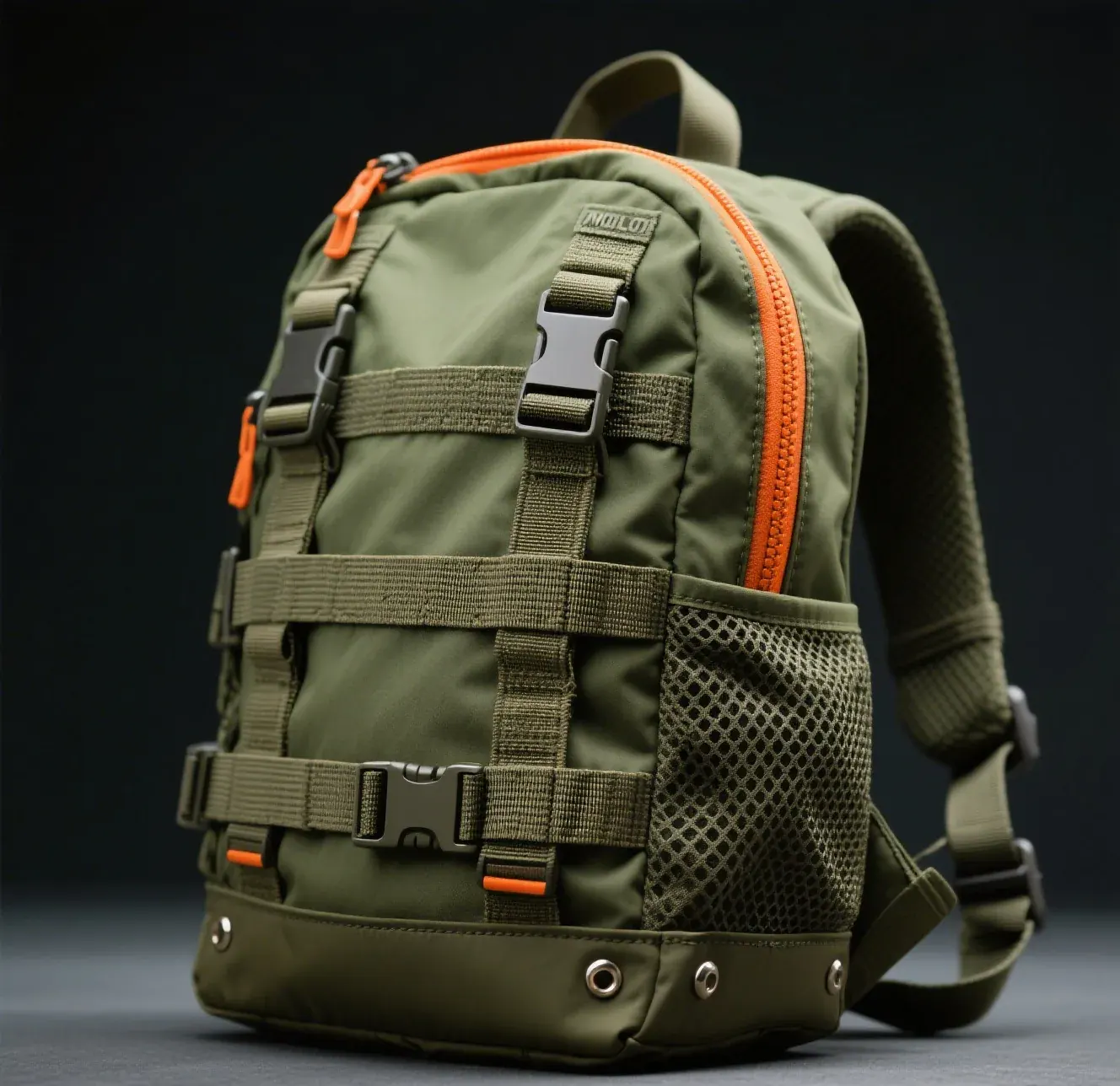
Read the volume row carefully. A 25 L backpack is one compartment with one closure; a pair of 20 L panniers is two independent compartments with two closures, which means two chances to get the roll right and two places to check for water. Organisation improves with panniers, and so does the number of things that can go wrong at 7 am in the rain.
Capacity, Load Placement, and Handling
Mass position changes the bike more than mass quantity does. A 7 kg backpack raises the combined centre of gravity by roughly 250-350 mm compared with the same load in panniers, and that height is what a rider feels during hard braking, quick direction changes, and low-speed manoeuvres in traffic. Panniers keep mass low but add yaw inertia, so the front of the bike feels slower to turn and the rear tracks wider in tight gaps.
Most rear racks are rated between 18 kg and 25 kg, and the rating covers the rack, not the frame or the wheel. Check the rack and the bike guidance together, because a 25 kg rack on a frame with a lower stated limit does not create a 25 kg system. Distribute pannier load with roughly 60 percent forward and 40 percent rearward to keep steering light, and keep the heavier side consistent day to day so the bike does not feel different every morning.
| Load | Backpack effect | Pannier effect | Practical guidance |
|---|---|---|---|
| 3-5 kg | Barely noticeable | Overkill but comfortable | Backpack is simpler |
| 6-9 kg | Shoulder pressure after 30 min | Stable, slight yaw | Either works |
| 10-14 kg | Neck and shoulder fatigue | Needs rack rated 25 kg | Panniers preferred |
| 15 kg and above | Not recommended on the back | Split across two panniers | Panniers only |
Front panniers deserve a mention for touring rather than commuting. A front pair rated 10-15 kg improves balance on climbs and keeps weight off the rear wheel, but it needs a front rack and changes steering feel noticeably, especially with a load above 8 kg on a short wheelbase. For a daily urban route, a single rear pannier plus a small backpack is usually easier to live with than a front-loading system, and it avoids the cost and weight of a second rack.
Sweat, Comfort, and Ride Duration
Sweat is the strongest argument against the backpack. At 20 degrees and moderate effort a rider carrying 7 kg on the back will notice a damp shirt within 20-30 minutes, because the pack covers the largest sweat-producing area on the upper body. A suspended mesh panel with 8-12 mm standoff helps, but it cannot match panniers, which leave the back completely open to airflow.
Duration is the real threshold. Below 30 minutes most riders tolerate a backpack without complaint. Between 30 and 60 minutes complaints begin in warm weather. Beyond 60 minutes, or on any route with a sustained climb, panniers are clearly better. Clothing choice shifts the line: a ventilated cycling shell moves it later, and a waterproof jacket worn over the pack contact area moves it much earlier.
- Use a suspended panel with 8-12 mm standoff and 25-35 percent contact area on any commuting pack.
- Keep spine load under 7 kg; move the rest to the bike.
- Wear a vented base layer and open the jacket on climbs.
- Carry a dry shirt separately if the destination has no changing facility.
- Hydrate before the ride; a heavy hydration load is better carried low.
Hydration is the one category where backpacks retain a structural advantage. A 1.5-3 L reservoir rides securely on the back and is drinkable without stopping, while bottle cages on the frame are limited by frame size and by how many mounts the bike has. The hydration pack versus waterproof backpack comparison looks at that trade-off in detail for riders who sweat heavily or ride long climbs.
Weather, Waterproof Ratings, and Wet-Road Reality
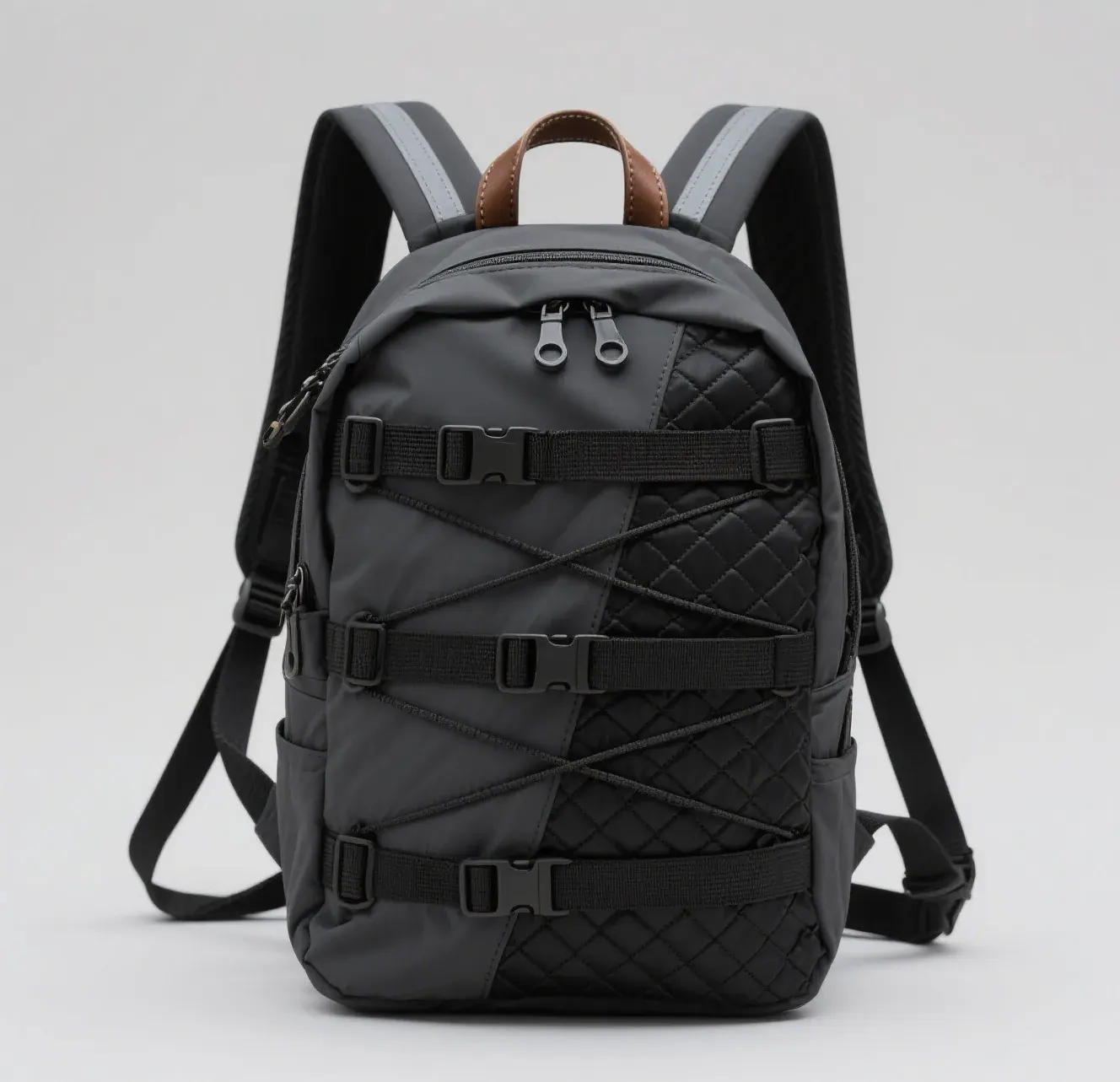
Both systems can be built to IPX6, and panniers have one structural advantage: their closures are horizontal, so water that lands on top runs off rather than pooling at a roll. Backpack roll-tops, by contrast, sit upright and take direct rainfall on the closure, which is why three full turns and a seated buckle matter so much. The ingress codes themselves are defined by the IEC ingress protection framework, and IPX7 always needs a stated depth and duration to be meaningful.
Road spray is the condition commuters underestimate. Water thrown up by the rear wheel hits panniers from behind and below at a far higher rate than rainfall, so the rear-facing and undersides of a commuting pannier need the same fabric and seam specification as the top. Backpacks escape most spray because they sit above the wheel line, but they take full rainfall on the closure and on the shoulder strap attachment islands.
| Exposure | Backpack risk zone | Pannier risk zone | Specification response |
|---|---|---|---|
| Rainfall from above | Roll-top closure, strap islands | Top flap and roll | Three turns, welded islands |
| Wheel spray | Low, above spray line | Rear panel and base | 840D base, welded patch |
| Puddle immersion | Rare | Base of loaded pannier | IPX7 target with stated depth |
| Overnight parking | Taken indoors | Left on the bike | Lockable mounts, cover |
Check conditions before departure rather than trusting a morning sky. NOAA weather resources support that review in the United States, and equivalent national services exist elsewhere. For a commuting programme, the practical target is IPX6 on the finished product with the load and accessories fitted, verified by 60 minutes of directed spray at roughly 20 mm per hour.
Security, Parking, and the Coffee Stop
A backpack follows the rider, and that single fact resolves most theft risk. Panniers are usually detachable with a quick-release mount, which is convenient and also the reason they need a locking mechanism or a cable. If the route includes a stop where the bike leaves sight, either take the bag or specify panniers with lockable mounts rated for urban use.
Panniers also change what happens at the destination. A rider arriving at an office carries a shoulder bag or nothing at all, while a backpack rider carries the pack in and may need a dry place to put it. For mixed-mode commuters who walk, take transit, or climb stairs, the backpack regains most of the advantage it loses on the bike. Offices with secure bike parking narrow that gap considerably, and riders with a locker and a shower often find panniers better even on shorter routes.
Weather at the parking spot matters too. A pannier left outside for eight hours takes sunlight, rain, and temperature cycling that a backpack never sees, so ultraviolet stability and cover fit are programme items rather than accessories. Specify ultraviolet-resistant face fabric and a cover that fits the loaded shape, not the empty one, and require the cover to stay attached at low speed.
Decision Matrix by Rider Type
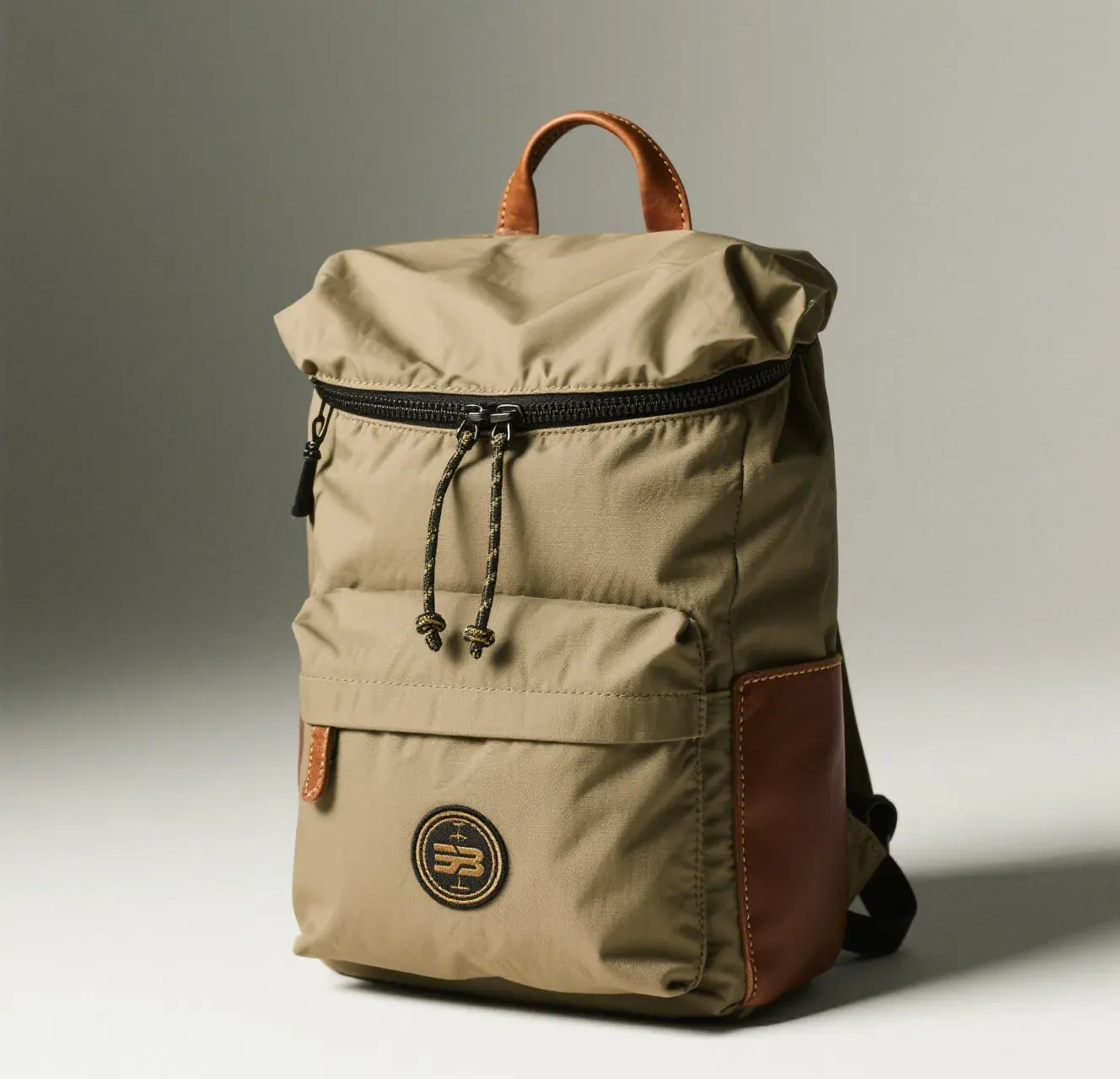
Rider type predicts the right answer better than any single specification. A student carrying a laptop and a change of clothes on a 20-minute flat route does not need panniers. A courier or a daily 15 km each-way commuter in a hilly city usually does. Someone who rides three days a week with variable cargo is often best served by the hybrid.
| Rider type | Typical load | Ride length | Recommended system |
|---|---|---|---|
| Short urban commute | 4-7 kg | Under 30 min | 20-25 L waterproof backpack |
| Mixed ride and transit | 5-8 kg | 30-45 min | 25-30 L backpack with flat laptop panel |
| Daily long commute | 8-14 kg | 45-75 min | Pair of 20 L panniers |
| Hilly or hot route | 6-10 kg | Any | Panniers to remove back sweat |
| Variable cargo | 5-12 kg | 30-60 min | 12-18 L pack plus one 20 L pannier |
For riders who settle on the backpack side, the waterproof cycling backpack range covers commuter bodies with rack-free mounting and reflective coverage, while the waterproof commuter backpack range suits riders whose day includes walking and transit as much as riding. Both lines are specified to the same finished-pack water screen.
Hybrid Setups and Common Mistakes
The hybrid deserves more attention than it gets. One 20 L pannier on the drive side plus a 12-18 L backpack keeps the spine load near 4 kg, leaves valuables with the rider, and works on bikes that already have a rack for other reasons. The mistake is putting the heavy items in the backpack and the light ones in the pannier, which reproduces the worst of both systems.
- Do not exceed the rack rating; the limit covers the rack, not the frame or wheel.
- Do not load one pannier heavy and the other empty; balance within 60-40.
- Do not assume a rack-mounted bag is waterproof because it has a flap; check the seam build.
- Do not strap a backpack to a rack with bungees and call it a pannier system.
- Do not skip the loaded water screen; both systems leak at closures, not in the middle of panels.
Rattle is the last practical issue. Panniers without a firm lower hook or a secondary strap bounce on rough surfaces and can work loose over a season, so specify a two-point mount plus a lower anti-sway hook and check torque every month. A loose pannier is a handling problem long before it becomes a lost-bag problem. Mesh or elastic external pockets on either system also collect water and road grit, so treat them as non-waterproof zones and keep electronics in the sealed chamber regardless of how convenient the outer pocket looks at the start of a ride.
One more practical point on the hybrid: mounting discipline. A backpack strapped across a rack creates a high, shifting mass that is worse than either proper system, because it combines the yaw inertia of a pannier with the load height of a backpack. If a rack is present and the load is over 8 kg, use panniers properly; if it is not, carry the load on the body and keep it under 9 kg.
Winter, Road Salt, and Year-Round Care
Cold months change the comparison in a way that favours panniers for a specific reason: clothing bulk. A winter commuting load often grows by 2-4 kg because of gloves, a heavier jacket, and an extra layer, and that growth lands on the back in a backpack system. Panniers absorb the seasonal increase without changing rider comfort, which is why many riders switch systems between October and April.
Road salt and grit attack hardware and closures in both systems. Rinse with fresh water after rides on treated roads, clear grit from zipper teeth before storage, and dry open for 8-24 hours. Inspect rack hooks monthly for wear, because a hook that has lost 1 mm of material can release under a bump long before it looks broken. A film of light lubricant on metal mounts reduces corrosion without attracting grit.
Film stiffness in cold weather affects roll-top closures on both systems. Below about 5 degrees a TPU laminate folds less easily, so allow extra closure length and check that three turns can still be seated with gloves on. Where a programme targets cold climates, add a low-temperature fold screen to the specification and require the closure to pass it at the target temperature rather than at room conditions.
Programme Baseline for Commuter Cargo
Write the specification around the finished product, not the fabric. State usable litres after closure, the IPX target and its condition, seam construction, hardware grade, reflective area, and the exact spray protocol. For panniers add mount type, rack rating compatibility, anti-sway geometry, and a rear-panel spray exposure clause that is stricter than the top-panel clause.
| Programme item | Backpack | Pannier |
|---|---|---|
| Usable volume | 20-30 L after three turns | 20-25 L per side |
| IPX target | IPX6, spray plus optional immersion | IPX6 with rear spray clause |
| Hardware | 304 stainless or coated alloy | Lockable mount, anti-sway hook |
| Base fabric | 840D with welded patch | 840D plus 0.5 mm welded base |
| MOQ and timing | 500 pcs per design and colour | Same baseline, 6-10 day samples |
QUANZHOU JUNYUAN BAGS has run waterproof bag programmes since 2014, with the founding team in the industry since 2004 and monthly output of 200,000 units verified by SGS. BSCI and ISO 9001 systems are in place, and material screening covers REACH and California Prop 65. Every bulk order passes AQL 2.5 inspection before shipment, and test methods follow the frameworks published by ISO.
The commercial baseline is MOQ 500 pcs per design and colour, samples in 6-10 working days, and bulk in 35-50 days from approved sample and deposit. A commuter cargo brief can be emailed to service@junyuanbags.com; include route length, load range, rack type, and climate. FOB Xiamen or DDP service to more than 100 countries follows an approved sample and a complete test record.
The closing rule is short: under 9 kg and under 45 minutes, carry it on the back; above 10 kg or above an hour, put it on the rack. Waterproofing is a solved problem in both systems, and the comfort difference comes from where the mass sits, not from how well the bag keeps the rain out.
People Also Ask
Are panniers better than a backpack for cycling?
Panniers are better for loads above 10 kg, rides longer than an hour, and hot or hilly routes, because the mass sits at rack height and the back stays open. Backpacks win below 9 kg and on mixed rides that include walking or transit.
How much weight can a rear pannier carry?
Most rear racks are rated 18-25 kg, and that figure covers the rack alone. Check the frame and wheel limits as well, and split the load roughly 60-40 front to rear within the pannier pair.
Do waterproof panniers exist at the same rating as backpacks?
Yes. Both can be built to IPX6 on the finished product with welded seams and rolled closures. Panniers need an extra rear-panel spray clause because wheel spray hits them far harder than rain.
Will a backpack make me sweat more than panniers?
Yes, noticeably above 30 minutes or in warm weather. A suspended mesh panel with 8-12 mm standoff reduces the effect but cannot match leaving the back fully open.
Can I use one pannier instead of a pair?
Yes for loads up to roughly 8 kg, and it keeps the bike narrow in traffic. Expect a slight pull toward the loaded side and keep the same side loaded consistently.
Is a hybrid backpack plus pannier setup worth it?
It is worth it for variable cargo. Keep the spine load near 4 kg in a 12-18 L pack and put bulk in one 20 L pannier; putting heavy items in the pack defeats the purpose.
Frequently Asked Questions
Q1. Waterproof backpack or panniers for a daily bike commute?
Panniers for loads above 10 kg or rides beyond an hour; a 20-30 L waterproof backpack for shorter rides, lighter loads, and routes that include walking or transit.
Q2. Do I need a special rack for waterproof panniers?
You need a rack whose rating covers the load and whose rail diameter matches the mount, commonly 8-12 mm. Confirm the frame and wheel limits separately from the rack rating.
Q3. How do panniers affect bike handling?
They lower the centre of gravity but add yaw inertia, so steering feels slower and the rear tracks wider in tight gaps. Load roughly 60 percent forward and keep the heavier side consistent.
Q4. What IPX rating should commuting panniers have?
IPX6 on the finished product, with a stricter rear and base spray clause because wheel spray is more aggressive than rainfall. Add IPX7 with a stated depth only if immersion is credible.
Q5. Are panniers safer than a backpack in traffic?
They keep the rider shoulders free and improve rear visibility, but they widen the bike and can strike obstacles in tight gaps. Visibility and predictable line matter more than the bag choice itself.
Q6. Can I lock panniers to the bike?
Many mounts include a locking mechanism or accept a cable. If the bike is regularly left out of sight, specify lockable mounts or take the bag with you.
Q7. How heavy is a pair of panniers compared with a backpack?
A pair typically weighs 800-1,200 g plus the rack, while a commuting backpack weighs 700-1,200 g. The mass difference is small; the comfort difference comes from placement, not weight.
Q8. Do panniers keep gear as dry as a roll-top backpack?
They can, and their horizontal closures shed rain well. Their weak points are the rear spray zone and the base, so check those areas in the water screen rather than only the top flap.
Q9. What size pannier do I need for a laptop commute?
A single 20 L pannier covers a 15-inch laptop, documents, and a light layer. Move to a pair when the load exceeds about 10 kg or when clothing and food must stay separate from electronics.
Q10. Should I use front panniers for commuting?
Usually not. Front panniers suit touring balance and climbs but need a front rack and change steering feel, particularly above 8 kg on a short wheelbase. For urban routes a rear pannier plus a small pack is simpler and avoids the cost of a second rack.
Q11. What is the MOQ and lead time for a commuter pannier programme?
MOQ is 500 pcs per design and colour, samples take 6-10 working days, and bulk runs 35-50 days from approved sample and deposit.