The right first fishing tackle bag holds two or three trays, measures roughly 24-32 litres, and costs less than a beginner expects to spend. Starting with two trays forces clarity about what actually gets used, because most anglers find they rely on perhaps a dozen lures across several seasons regardless of how many they own. Leave room for a third tray even if starting with two, choose welded or taped seams rather than bare stitching, and check three things in the shop before paying: strap width above 40 mm, a zip that runs smoothly under load, and a base that survives being set down wet. Checking those points matters more than any feature comparison, because each decides whether the bag comes home used or goes unused in the shed. Everything else can wait until the second bag.
Start With Two or Three Trays, Not Twenty Lures
Beginners are usually advised to start small, which is correct but too vague to act on. Counting trays makes it concrete: two trays to begin with, space for a third in reserve, and no more than that for the first season at least.
| Trays carried | What that looks like | Who it suits |
|---|---|---|
| One 3600 size | About 40-70 lures and terminal items | Children or very occasional anglers |
| Two 3600 size | 80-140 lures plus leaders and weights | The right starting point for most |
| Two 3600 plus one small box | Room to separate methods | Beginners committing to a season |
| Three 3700 size | Far more than a beginner needs | Second or third bag territory |
| Combo kit with dozens of lures | Looks generous, mostly unused | Usually poor value in practice |
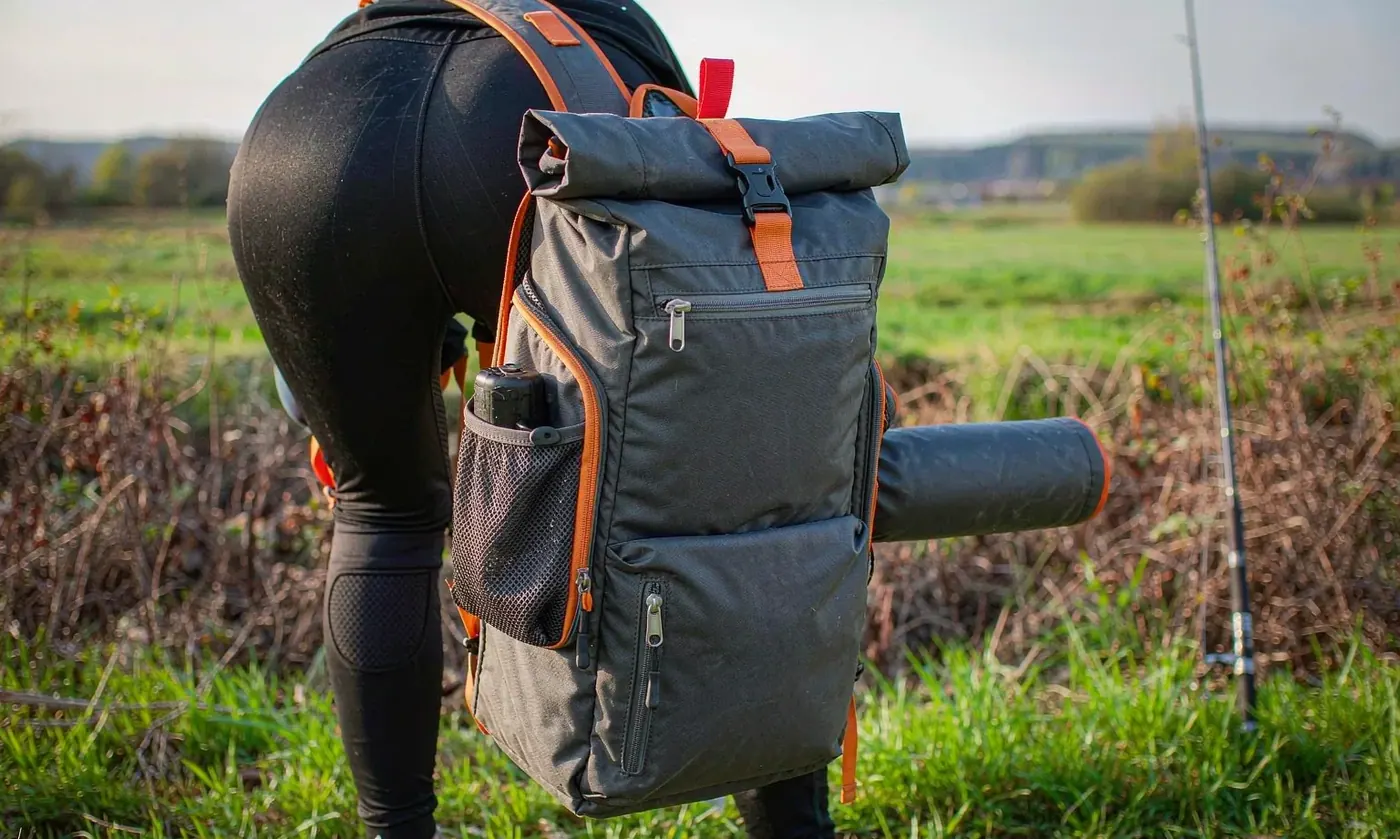
The arithmetic behind that advice is simple but rarely spelled out. A filled 3600 size tray holds roughly 40-70 items depending on lure size, so two trays comfortably cover every realistic scenario a first season produces. Anything beyond that is not simply unused; it actively makes the bag heavier, slows down choosing, and encourages carrying gear rather than learning watercraft. There is also a cost effect worth noting: two trays of terminal tackle typically represent a spend that would be better directed toward a second rod setup or several guided sessions, both of which improve results far more than additional unused lures.
Budget: Three Realistic Tiers
Spending more on the first bag is a common and understandable error, usually driven by wanting to buy once rather than twice. In practice the middle tier serves beginners best, and the money saved is better directed elsewhere in the kit.
| Tier | FOB Xiamen | Retail equivalent | What you get |
|---|---|---|---|
| Entry body | 16-26 USD | 35-55 USD | One or two trays, taped seams |
| Recommended first bag | 20-34 USD | 50-90 USD | Two or three trays, welded seams |
| Enthusiast step up | 32-52 USD | 90-150 USD | Marine hardware, premium film |
| Specialist or saltwater | 34-58 USD | 110-190 USD | Coastal hardware and organisation |
Money saved by choosing the second tier rather than the third buys considerably more fishing: a second rod, better line, or several trips to water that teaches more than any equipment purchase. It also means the second bag, bought once tastes are established, will suit its owner far better than anything chosen blind at the start. The premium tier is not poor value in itself; it is simply best bought by someone who already knows which features will get used, which by definition excludes a beginner.
Five Mistakes Beginners Make
These five account for most dissatisfaction with a first purchase, and none of them concern product defects. Each is avoided by spending ten minutes thinking before ordering rather than ten minutes justifying afterwards.
- Buying a combo kit where the tackle count looks generous but the bag itself has thin fabric, narrow straps, and no structure.
- Choosing the largest bag available on the assumption that it will be needed eventually, then never filling it comfortably.
- Ignoring whether trays are included, discovering afterwards that half the intended capacity cannot be used because trays are sold separately.
- Overlooking carried weight, which is the single factor deciding whether the bag gets taken out or left behind.
- Buying coastal-grade features for inland fishing, or conversely specifying an inland bag for a first trip to the sea.
The third item deserves emphasis because it hides significant cost. Trays are purchased separately on many models, adding 8-18 USD each at retail, so a bag priced attractively without trays can end up more expensive than a complete alternative. Always check whether trays are included and how many the body accepts, and treat any listing that shows the bag full of tackle as marketing imagery rather than as contents.
What to Check in the Shop
A ten-minute inspection with the bag in hand reveals more than any specification sheet, and none of it requires expertise. Running these six checks catches the majority of poor designs.
| Check | How to run it | Pass condition |
|---|---|---|
| Load it up | Put 6-8 kg inside and walk around | Straps do not cut in after five minutes |
| Zip under load | Zip the loaded bag closed several times | No snagging or distorting |
| Strap width | Measure it, or compare to a thumb width | Above 40 mm at this size |
| Set it down wet | Place it on a hard floor and drag 100 mm | Base shows no immediate scuffing |
| Open it fully | Lay every pocket open at once | Nothing falls out or blocks |
| Check tray fit | Bring your trays with you | They slide in without forcing |
Bringing trays to the shop is the single best piece of advice here and probably the least followed. Tray dimensions vary enough that a body described as accepting three often fits two comfortably and three only after some persuasion, and discovering that at home means either living with it or starting the return process. If buying online instead, check the stated tray compatibility against the actual measured dimensions of the trays owned, allowing 5-8 mm of clearance on each side, rather than trusting the count printed in the listing.
The loaded test deserves equal emphasis for anyone shopping online, where it cannot be performed. Filling a bag with 6-8 kg and simply carrying it around the house for ten minutes reveals almost everything worth knowing, and the right to do that is precisely what a return policy is for. Beginners frequently skip this because the bag seems obviously fine empty, which is exactly the condition in which no bag ever reveals its faults. Doing it once, properly, is also how an angler learns what a comfortable load actually feels like, which informs every later purchase far more accurately than reading specifications.
What Actually Goes In It
Rather than buying a collection and then a bag to hold it, work from a modest list. The table below covers what a first season realistically requires and keeps total carried weight around 4-6 kg.
| Item | Quantity | Approximate weight | Note |
|---|---|---|---|
| Lures across several sizes | 40-70 items | 700-1,200 g | Two 3600 trays at most |
| Hooks, weights, swivels | Assorted selection | 300-600 g | Keep them contained in one tray |
| Forceps and line cutters | One of each | 120-250 g | Buy decent ones once |
| Leader material and line | Three or four spools | 150-300 g | Refilled seasonally |
| Water bottle, 500 ml | One | 500 g filled | Heavier than expected when full |
| Light rain shell | One | 300-500 g | Only during unsettled weather |
Noting the water bottle row helps explain a persistent beginner complaint about weight. Half a litre is 500 g before anything else is counted, and many anglers carry far more than they drink. Fitting external bottle sleeves rather than internal pockets also keeps that weight outside the main cavity where it cannot crush anything.
Keeping a running total while assembling that list is the practical takeaway. Beginning with an empty bag weighing 1.2-1.8 kg and adding the rows above lands at 4-6 kg carried, which sits comfortably within what an untrained shoulder handles over several kilometres. Reaching 8 kg, which happens quickly with enthusiasm and a third tray, is roughly where beginners start leaving their bags in the vehicle and thereby stop learning the habit entirely.
One final item belongs on every beginner list because its absence causes more problems than any other: a small first-aid item and a means of cutting line safely. Hook removal going wrong is common enough that a compact pair of forceps plus plasters and antiseptic wipe costs very little and earns its place within weeks, usually long before the third tray does.
Care Rules for the First Year
Three habits decide whether a first bag survives three seasons or fails in one, and none takes more than a couple of minutes. Establishing them from the start means the bag is one less thing to think about.
- Dry the bag fully open after every trip rather than leaving it zipped, which prevents most odour, rust, and coating problems.
- Rinse it with fresh water after coastal or muddy sessions, paying particular attention to zips and base grommets.
- Never store hooks wet, since one rusty hook stains the surrounding fabric and dulls neighbouring points within days.
- Avoid leaving it in direct sun for weeks at a time, because ultraviolet exposure ages every fabric faster than use does.
- Check the base and straps at the end of the first season, which is when any construction weakness usually becomes visible.
Beginners also ask about fabric treatments, and it is a reasonable question given what is used in outdoor textiles. Restrictions on certain durable water repellent chemistries are moving quickly, and current information is maintained by EPA, whose PFAS guidance explains why many makers now specify alternative finishes. Asking whether a finish is free of those substances costs nothing and is a reasonable question to put to any seller.
Durability claims should also be tied to test methods rather than adjectives, and strengthabrasion figures referenced against methods published by ASTM International are what make one bag comparable with another. For a first bag specifically, where tactile judgement is not yet developed, having a figure to compare against is genuinely useful.
The Growth Path
The first bag is rarely the last, and planning the sequence saves money overall. Understanding what typically comes second prevents buying the wrong thing first.
| Stage | Typical purchase | Trigger |
|---|---|---|
| First bag | 24-32 L with two trays | Starting out |
| Second bag | Small sling or chest pack | Wanting mobility for short sessions |
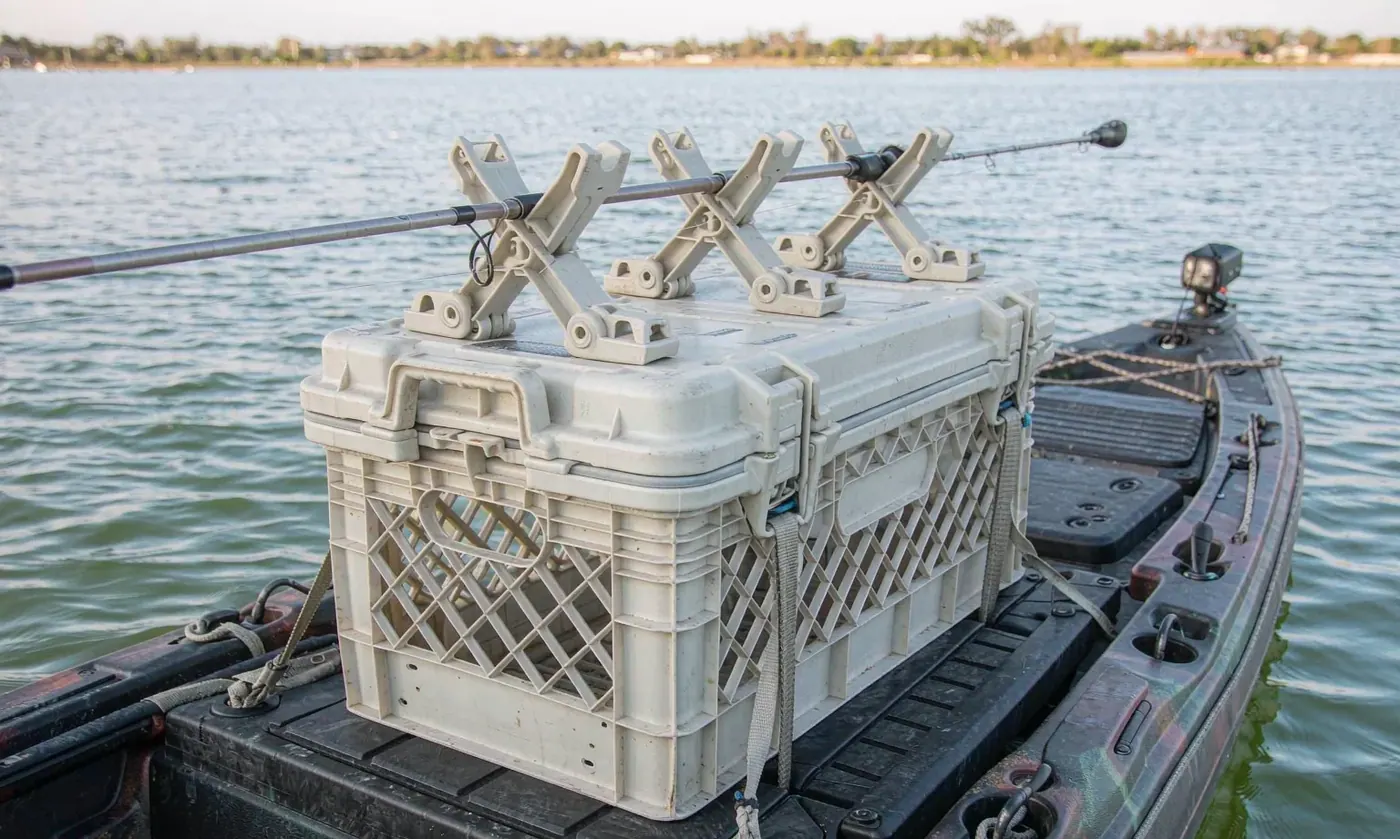
| Third acquisition | System container or crate | Boat or kayak fishing begins |
| Fourth purchase | Replacement of the first body | Three to five seasons wear |
| Optional addition | Saltwater specific version | First coastal season |
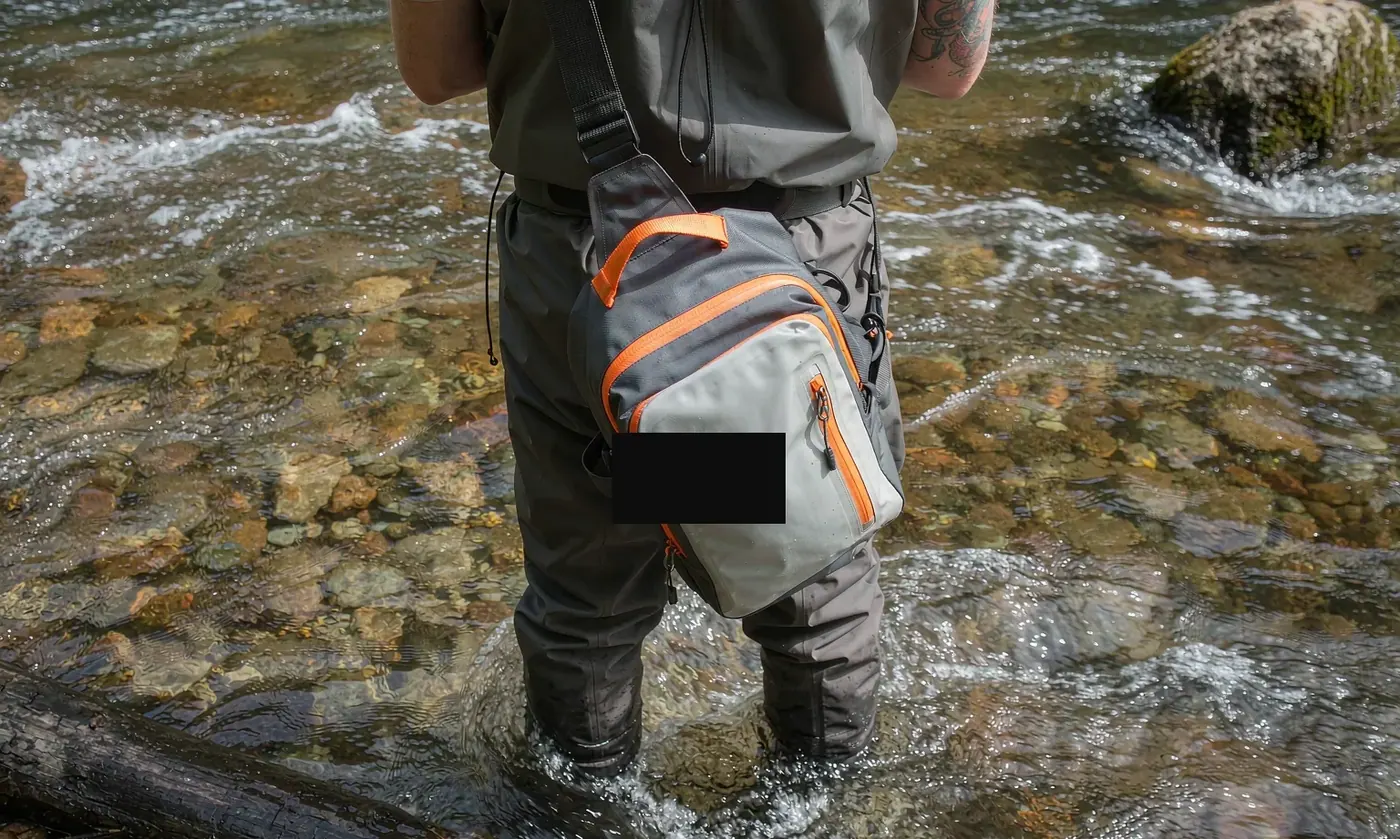
Two bodies covering different sessions serve far better than one attempting both, and the combined cost of a 24-32 litre main bag plus a small sling is usually less than a single premium model. This is the reason experienced anglers rarely recommend buying the best available bag first, quite apart from the fact that preferences cannot be known before they have developed.
Timing of the second purchase is worth thinking about deliberately rather than waiting for failure. The right moment is usually when a pattern becomes obvious, typically after ten or twelve trips, because at that point an angler knows whether they mostly walk and cast, sit in one spot, or fish from a boat. Waiting until the first bag wears out means missing several seasons of using the right equipment, while buying too early simply repeats the original guess with more expensive kit.
Where Deals Are Really Compromises
Beginners encounter heavily discounted bags constantly, and some of them are genuinely good value. Knowing where the compromises hide makes it possible to buy a discounted item safely rather than inheriting someone else's problem.
| Visible sign | What it usually means | Decision |
|---|---|---|
| Straps below 40 mm with thin padding | Comfort was never designed for | Avoid at almost any price |
| Stitched base seams with no tape | Will wet through when set down | Fine for dry storage only |
| Zips without a storm flap | Water entry at the first downpour | Acceptable inland, not coastal |
| No brand or test documentation | Cannot verify any claim made | Treat fabric claims sceptically |
| Heavy discount on an old model | Often simply superseded, which is fine | Check the five rows above |
Price and value genuinely diverge in one particular way worth naming. A discounted body meeting every item in that table serves a beginner perfectly well, because three seasons of honest service is all a first bag really owes its owner before tastes change anyway. What should be avoided is not cheapness itself but the specific shortcuts that make a bag unpleasant enough to leave at home.
Getting Help Before Buying
There is no shortage of advice available to beginners, and knowing which questions produce useful answers is more valuable than any particular recommendation. Three questions reliably separate helpful guidance from generic enthusiasm.
- Ask what the person actually fishes rather than what they recommend, since advice for boat anglers rarely transfers to someone walking a canal bank.
- Ask what they bought second and why, because the answer to that question explains what their first purchase failed to do.
- Ask what they left behind after their first season, which identifies the gear that turned out to be unnecessary far faster than any packing list.
- Ask whether the recommendation requires additional purchases, such as separate trays or a rain cover, which changes the real cost considerably.
- Ask how much the bag weighs empty, since that single figure predicts more about usage than any feature comparison.
The final question deserves elaboration because beginners rarely think to ask it while experienced anglers almost always do. A difference of 400-700 g between two similar bodies sounds trivial on paper and is anything but after three kilometres, so asking for the empty weight is the cheapest piece of due diligence available and takes seconds. Where a listing omits it entirely, that omission is itself a reasonable indication that the figure is not competitive and should be treated with caution.
A Simple Recommendation
Everything above reduces to one short recommendation that suits most people starting out, plus the conditions under which it should be adjusted.
| Situation | Recommendation | Reason |
|---|---|---|
| General freshwater beginner | 24-32 L, two trays, welded seams | Room to grow without excess |
| Younger or smaller angler | 18-24 L body | Weight and fit matter more |
| Starting from a boat or kayak | Waterproof body with drainage | Immersion rather than spray |
| Starting near the coast | Saltwater version from the outset | Corrosion begins within a season |
| Unsure of commitment | Entry tier around 16-26 USD | Little risk either way |
QUANZHOU JUNYUAN BAGS has developed waterproof bag programmes since 2014, with the founding team working in the trade since 2004. Monthly output of 200,000 units is verified by SGS, and BSCI and ISO 9001 systems structure the workflow. Materials are screened for REACH and California Prop 65, every bulk order is inspected at AQL 2.5 before shipment, and tray compatibility can be confirmed before ordering.
A first-bag question can be put emailed to service@junyuanbags.com with the water being fished, intended tray count, target retail price, and yearly quantity. FOB Xiamen or DDP service to more than 100 countries follows an approved sample. Further reading for newer anglers includes the twelve-point tackle backpack checklist, the how many trays fit guide, and the best cheap tackle backpacks.
People Also Ask
What is the best first fishing tackle bag?
A 24-32 litre body accepting two 3600 trays, with welded or taped seams and enough room reserved for a third tray as tackle accumulates.
How much should a beginner spend on a tackle bag?
FOB around 20-34 USD, or 50-90 USD at retail. That buys welded seams and proper straps, and leaves more of the budget for line, tools, and fishing time.
Are starter combo kits worth buying?
Rarely. Lure count looks generous but is mostly unused, and the bag included is typically the cheapest part of the package rather than an adequate one.
Should beginners buy a big tackle bag?
No. Most anglers rely on perhaps a dozen lures across seasons, so a large bag mostly encourages carrying gear rather than learning it.
Do tackle bags come with trays included?
Often not. Trays can cost 8-18 USD each at retail, so always check what is included and how many the body actually accepts.
When should I buy a second fishing bag?
Usually once sessions divide into short mobile trips and longer days, which is when a small sling alongside the original body covers everything well.
Frequently Asked Questions
Q1. How do I pick my first fishing tackle bag?
Choose a 24-32 litre body taking two 3600 size trays, with welded or taped seams and straps wider than 40 mm. Check whether trays are included and leave capacity for a third tray later.
Q2. What size should a beginner tackle bag be?
Around 24-32 litres, holding two trays alongside tools, leader material, and a small bottle, which puts total carried weight at roughly 4-6 kg.
Q3. How many trays should a beginner carry?
Two to start, with space reserved for a third. A single 3600 size tray holds roughly 40-70 lures, so two cover a full first season comfortably.
Q4. How much should I spend on my first tackle bag?
Equivalent to 20-34 USD FOB, or 50-90 USD retail, which buys welded seams and reasonable hardware. Spending more before preferences develop usually means replacing it anyway.
Q5. Are tackle combo kits good value?
Usually not. Included lures are largely unused and the bag itself is typically the cheapest component, with thin fabric and narrow straps that discourage use within a season.
Q6. Do tackle bags include trays?
Frequently not, and each tray costs 8-18 USD at retail. Always confirm what is included and bring trays along when checking fit in a shop.
Q7. Should I buy one big bag or two smaller ones?
Plan for two eventually. A 24-32 litre main body plus a small sling covers both long days and short sessions better than one large bag attempting everything.
Q8. What should I check before buying in a shop?
Load it with 6-8 kg and walk around, run the zip several times closed under load, confirm strap width above 40 mm, and bring your trays to check they actually fit.
Q9. How do I look after my first tackle bag?
Dry it fully open after every trip, rinse it after coastal or muddy sessions, never store hooks wet, and keep it out of prolonged direct sun.
Q10. Is my first bag suitable for sea fishing?
If it has zinc-plated hardware, expect corrosion within one season. Either buy a saltwater version at the outset or rinse it thoroughly after every coastal trip.
Q11. Why does my bag smell after a few trips?
Retained moisture in closed pockets rather than anything more complicated. Drying fully open after each session removes the problem, since airflow rather than cleaning products is the fix.
Q12. What are the MOQ and lead time for a starter range?
MOQ is 500 pcs per design and colour. Samples take 6-10 working days and bulk production runs 35-50 days from approved sample and deposit.