There is no general-purpose waterproof backpack, only nine types that each solve a different exposure. Sort the category by activity and the numbers separate cleanly: hiking packs run 24 to 65 litres at IPX4 to IPX6, kayak and raft packs run 12 to 30 litres at IPX7 to IPX8, commuter packs run 18 to 26 litres at IPX4 to IPX5, and work and fishing packs run 20 to 40 litres with a welded base. Empty weight follows the same logic, from 340 g on a packable travel day pack to 1,450 g on a 65 litre expedition body. Pick the activity first and the specification writes itself.
Why Activity Is the Only Useful Sorting Key
Sorting waterproof packs by volume or by price produces a list that looks sensible and buys badly, because the two variables that actually decide failure come from the activity. The first is the direction and pressure of the water: vertical rain, horizontal bow spray and a standing head at one metre are three different engineering problems. The second is how the pack is carried and put down, since a pack that lives on a wet deck needs a welded base and a pack that lives on a shoulder for eight hours needs a harness that breathes.
| Activity | Dominant exposure | Volume band | Rating that matters | Empty weight |
|---|---|---|---|---|
| Day hiking | Sustained vertical rain | 24 to 35 L | IPX5 | 700 to 980 g |
| Multi-day hiking | Rain plus river crossings | 45 to 65 L | IPX5 to IPX6 | 1,100 to 1,450 g |
| Kayak and canoe | Capsize, full immersion | 12 to 30 L | IPX7 to IPX8 | 540 to 1,060 g |
| Raft and whitewater | Immersion plus abrasion | 20 to 40 L | IPX7 | 760 to 1,120 g |
| Daily commute | Vertical rain, 30 minutes | 18 to 26 L | IPX4 to IPX5 | 640 to 900 g |
| Travel | Tropical downpour, theft | 30 to 45 L | IPX5 | 900 to 1,300 g |
| Cycling | Road spray, wheel wash | 12 to 22 L | IPX5 | 480 to 780 g |
| Motorcycle touring | Sustained 100 km per hour rain | 22 to 35 L | IPX6 | 900 to 1,250 g |
| Work and field | Standing water, abrasion | 20 to 40 L | IPX5 to IPX6 | 850 to 1,300 g |
Two things in that table surprise most buyers. The motorcycle band needs a higher rating than the hiking band, because at 100 kilometres per hour a raindrop hits with roughly the energy of a low-pressure jet and does it for hours, while a hiker meets vertical rain and can put a cover on. And the kayak band needs immersion rather than volume, which is why a 12 litre submersible pack is a better kayak pack than a 35 litre hiking pack at twice the price.
Hiking and Trail Types
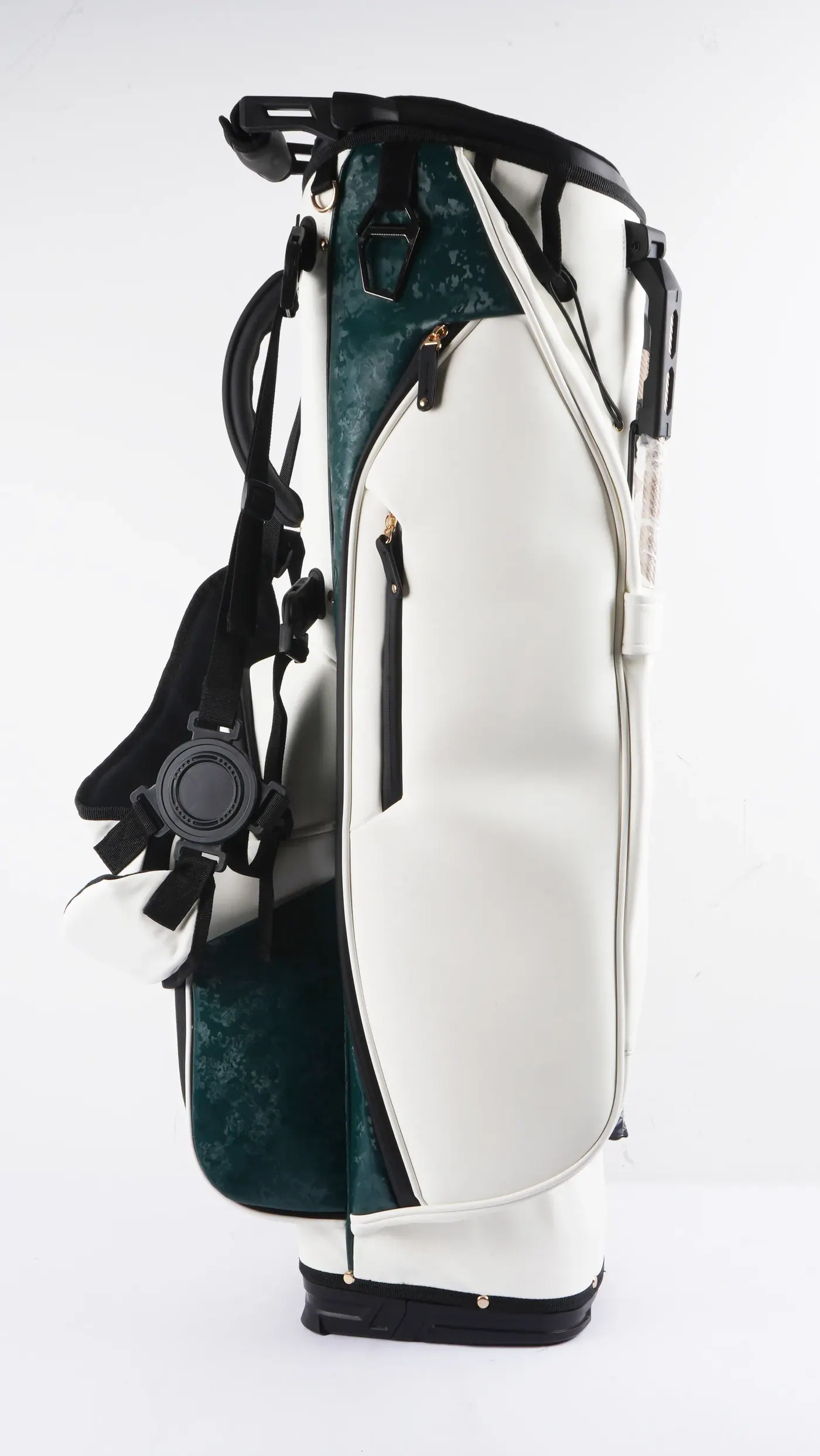
A hiking pack meets vertical rain for hours and river crossings occasionally, and it is carried for six to ten hours a day, which makes harness quality as important as sealing. The type splits at about 35 litres. Below that the pack is a day body with a stabiliser hip belt; above it the harness has to transfer load or the walker pays for it in the shoulders by the afternoon of the second day.
| Trail type | Volume | Harness | Rating | Typical loaded weight |
|---|---|---|---|---|
| Fast day pack | 18 to 24 L | Straps only, no belt | IPX4 to IPX5 | 4 to 6 kg |
| Standard day pack | 24 to 32 L | Stabiliser belt, 30 mm | IPX5 | 6 to 8 kg |
| Winter day pack | 30 to 38 L | Stabiliser belt, 40 mm | IPX5 | 7 to 9 kg |
| Weekend pack | 35 to 45 L | Load-transfer belt, 50 mm | IPX5 to IPX6 | 9 to 12 kg |
| Expedition pack | 55 to 65 L | Load-transfer belt, load lifters | IPX6 | 13 to 18 kg |
The breathability trade-off is the reason a hiking pack is rarely rated IPX7. A body sealed well enough to survive immersion also traps sweat, and on a climb the wearer generates 0.5 to 1 litre of sweat an hour, so a fully sealed pack gets wetter inside than a well-vented IPX5 one. IPX5 with a suspended back panel is the right answer for anything carried uphill, and immersion ratings belong on water.
The full trail range is set out on the waterproof hiking backpack page, and the trade-off itself is worked through in the breathability versus waterproofing comparison.
Water Types: Kayak, Canoe, Raft and Paddleboard
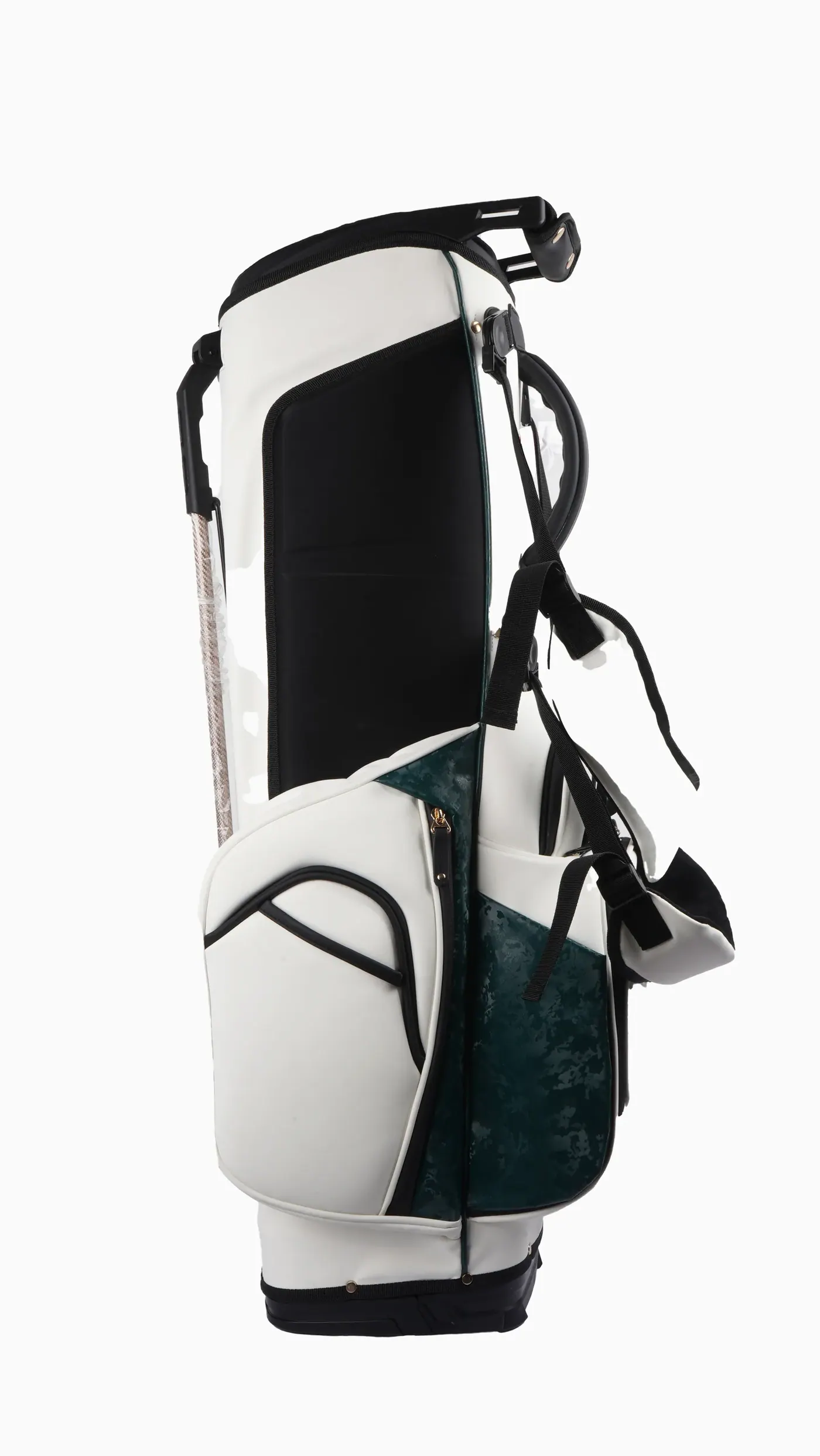
Water types are defined by immersion and by hatch size rather than by volume, and both numbers are physical rather than preferences. A sit-on-top kayak commonly has a 240 to 300 millimetre round hatch, a sea kayak a 400 millimetre oval, and a paddleboard has no hatch at all, which forces the pack onto the deck and into the sun. A pack that ignores hatch diameter ends up lashed outside, where it takes UV at twice the land rate.
- Immersion rating first: IPX7 for a capsize at one metre, IPX8 only where immersion beyond a metre is realistic.
- Hatch diameter in millimetres, measured on the buyer's own hulls, not quoted from a catalogue.
- Buoyancy as a named method: a foam panel gives 28 to 34 newtons of lift, a sealed chamber 20 to 26.
- Two drain grommets at the base, since bilge water will find its way into any pack left on a wet deck.
- Fresh-water rinse after every trip, because salt crystals jam a slider by the third or fourth outing.
Cold water deserves its own line in any water-sports brief. Immersion in water below 15 degrees Celsius removes useful hand function in roughly ten minutes, which is why a closure that can be worked with cold, wet hands matters more than one that seals an extra IPX step, and why the safest pack on a cold river is a roll-top that can be closed by feel rather than a slider that has to be lined up. Guidance on cold water immersion is published by the Centers for Disease Control and Prevention.
Commute and Urban Types
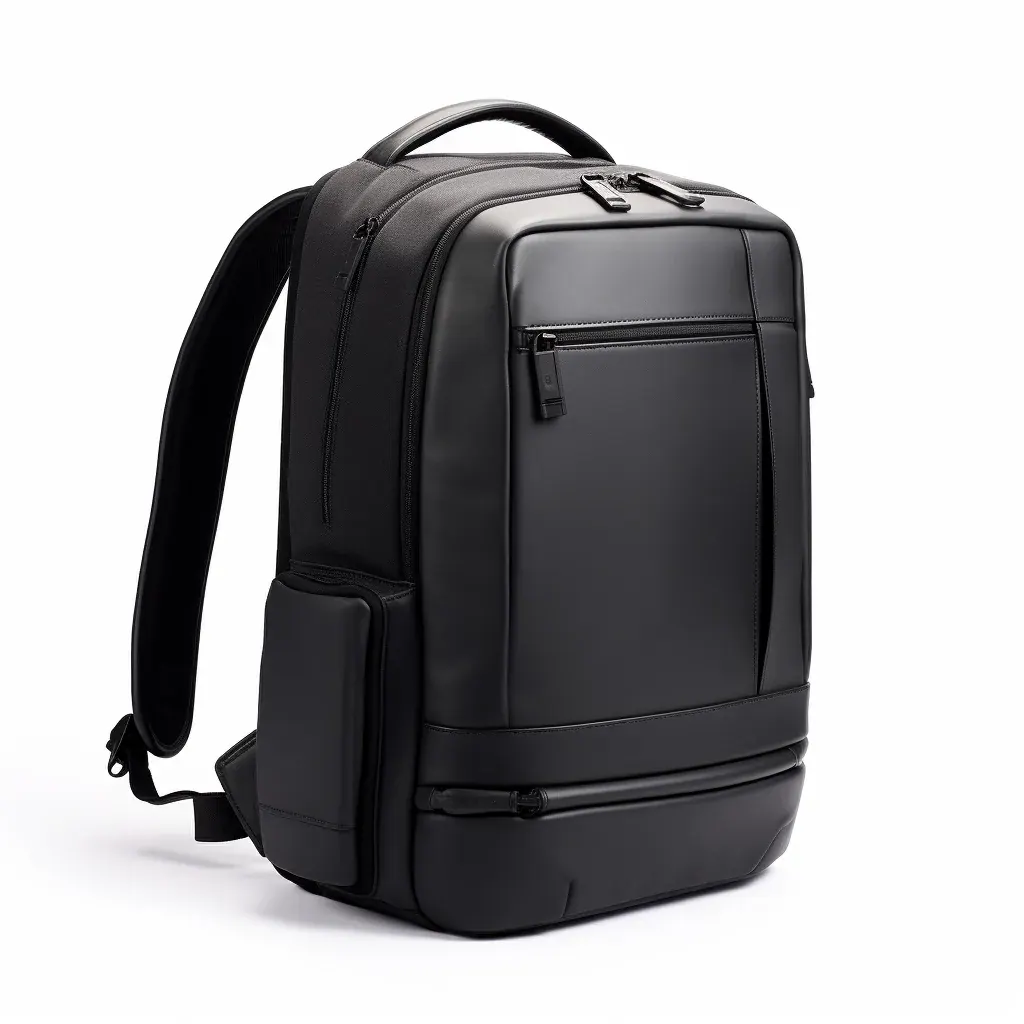
A commuter pack meets vertical rain for twenty to forty minutes, gets carried for an hour or two, and spends the rest of the day under a desk or on a hook. That profile makes access speed and laptop clearance more important than the rating, and it is why IPX4 to IPX5 covers the type completely. A commuter who buys an IPX7 sealed body pays for rating he never uses and gets a pack he cannot open quickly on a bus.
| Commute type | Volume | Laptop clearance | Rating | Detail that decides it |
|---|---|---|---|---|
| Walk or transit | 18 to 22 L | 15 inch, 30 mm clearance | IPX4 to IPX5 | Side pocket for a pass and phone |
| Cycling commute | 20 to 26 L | 15 inch, suspended | IPX5 | Reflective panels on all four sides |
| Mixed office and gym | 24 to 30 L | 15 inch plus a wet pocket | IPX5 | Welded wet compartment |
| Rainy season city | 22 to 26 L | 16 inch, suspended | IPX5 | Covered zip under a storm flap |
| Security-conscious travel | 20 to 24 L | 14 inch, hidden sleeve | IPX5 | Rear-facing panel, lockable slider |
The clearance figure in that table is the one that prevents the most returns. A sleeve pressed flat against the outer shell puts a warm laptop against the coldest surface in the pack, condensation forms on the chassis, and the failure is reported as a leak when it is actually physics. Thirty millimetres plus a vented sleeve end costs about 40 g and removes most of it. The dedicated category page is the waterproof commuter backpack guide.
Travel, Cycling and Motorcycle Types
Travel, cycling and motorcycle packs are grouped here because they share one property the others do not: they are strapped to something moving rather than carried on a back. That changes the exposure from rain to driven rain and the failure mode from leaking to abrasion, and it is why these three types specify a welded base panel and low-profile harnesses rather than thick padding.
| Type | Volume | Rating | Distinguishing spec | Common mistake |
|---|---|---|---|---|
| Travel carry-on | 30 to 45 L | IPX5 | Fits a 55 by 40 by 20 cm sizer | Buying 45 L and failing the sizer |
| Travel day pack | 18 to 22 L | IPX4 | Packs to under 3 L | A packable pack used as a primary pack |
| Cycling day | 12 to 22 L | IPX5 | Reflective area over 200 square cm | No rear light clip |
| Bikepacking | 20 to 35 L | IPX5 to IPX6 | Roll-top that compresses as it empties | A rigid body that rattles |
| Motorcycle touring | 22 to 35 L | IPX6 | Welded base, no dangling straps | Straps that foul a wheel or chain |
Motorcycle is the strictest of the three, and it is the type most often under-specified. At 100 kilometres per hour, rain arrives with enough energy to drive water through a coated zip that would shrug off a walking pace shower, and any strap that hangs loose becomes a hazard near a chain or a spoke. The answer is IPX6 with a welded body, four compression straps that can be trimmed, and no dangling webbing anywhere on the pack.
Abrasion on these three types is tested by the rub and flex methods maintained by ASTM coated-fabric test methods, and a base panel that has passed 200 hours of abrasion cycling on a non-skid surface is a base panel that survives a season of being dragged across a deck or a tail rack.
Work, Field and Snow Types
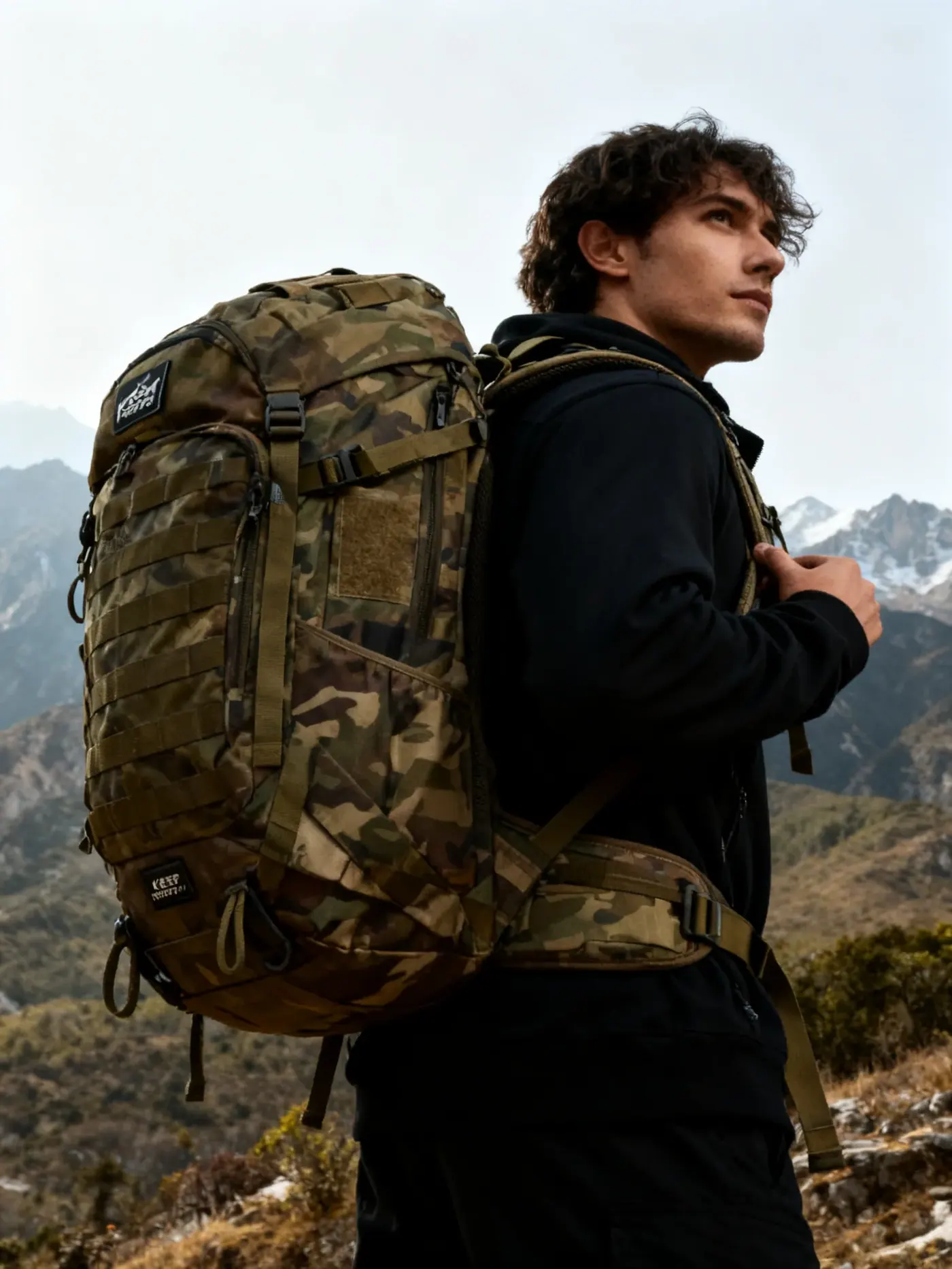
Work and field packs are the least glamorous and the most heavily specified type, because they fail on abrasion and on standing water rather than on rain. The base is the decision: a 1000D welded panel with no stitched corners will survive a season of being set down in slurry, while a sewn and taped base will wick water through its needle holes within a month. Snow types add one more requirement, which is closure function at temperature.
| Type | Volume | Rating | Base specification | Cold or hazard detail |
|---|---|---|---|---|
| Construction and trade | 25 to 40 L | IPX5 to IPX6 | 1000D welded, no corner stitch | Hi-visibility panels, 200 sq cm |
| Survey and drone field work | 30 to 45 L | IPX5 | Moulded EVA base, 8 mm | Dividers for batteries and radio |
| Fishing, bank and wading | 20 to 35 L | IPX6 | Moulded EVA, drain grommets | Corrosion-proof hardware, 316 steel |
| Ski and snowboard | 25 to 35 L | IPX5 | Welded, snow-shedding | Closure usable at minus 15 degrees |
| Winter hiking | 35 to 50 L | IPX5 to IPX6 | Welded, crampon patch | Two tool loops, no exposed buckle |
The cold-weather line is the one that catches buyers out. A coated fabric that is supple at 20 degrees Celsius stiffens markedly below minus 10, and a slider that runs freely in the workshop can seize at minus 15, which is the temperature a ski pack actually meets on a chairlift. Specifying a roll-top rather than a slider for snow and winter use removes the problem entirely, and it is the reason a roll-top dominates the snow band.
The fishing line deserves one clarification. The EVA referred to in that table is a moulded base pan inside a soft pack, which is a different product from the injection-moulded perforated EVA tote sold as a beach and utility bag; the two share a material and nothing else.
Choosing Between Types: A Decision Table
| If the day looks like this | Choose this type | Volume | Rating | Skip it if |
|---|---|---|---|---|
| Six hours on a trail in rain | Standard day pack | 24 to 32 L | IPX5 | The trip goes overnight |
| Two nights with a sleep system | Weekend pack | 35 to 45 L | IPX5 to IPX6 | The walk is under three hours |
| A kayak, a canoe or a SUP | Submersible water pack | 12 to 30 L | IPX7 to IPX8 | The pack has to walk far |
| Forty minutes in city rain | Commute pack | 18 to 26 L | IPX4 to IPX5 | The trip is a full travel day |
| A flight plus a week away | Travel carry-on | 30 to 45 L | IPX5 | The airline sizer is 40 by 30 by 15 cm |
| A hundred kilometres at speed | Motorcycle touring pack | 22 to 35 L | IPX6 | The ride is a short city hop |
| A site with standing water | Work and field pack | 25 to 40 L | IPX5 to IPX6 | The pack lives indoors |
| A chairlift in a snowstorm | Ski and snow pack | 25 to 35 L | IPX5 | Closure has to work with gloves |
Reading that table as a buyer rather than as a walker is the last step. A single buyer rarely wants one type; a range usually wants three, because the same customer who buys a commute pack in March buys a travel pack in July. Building a three-type range around commute, hiking and water covers the majority of a general outdoor season without fragmenting the tooling.
Specify a Multi-Type Range
For a buying team, a multi-type range should lock the shared platform and vary only what the activity demands. Keep one fabric, one coating, one hardware set and one colour palette across all types, and vary volume, rating, closure and harness. That approach cuts the qualification work by roughly half compared with developing each type from scratch, because the salt-fog, abrasion and compliance evidence is generated once and reused.
| Shared element | Specify once | Element that varies | Range of variation |
|---|---|---|---|
| Shell fabric | 500D or 1000D, TPU coated | Volume | 12 to 65 L across nine types |
| Coating | 0.18 to 0.22 mm TPU face | Rating | IPX4 for commute, IPX8 for water |
| Hardware | Acetal buckles, 316 stainless springs | Closure | Roll-top, airtight zip, flap |
| Seam method | RF welded, 20 mm overlap | Harness | Straps only up to load lifters |
| Compliance | REACH plus California Prop 65 | Colourway | Three per type, one shared |
| Inspection | AQL 2.5 before shipment | Base | Welded flat or moulded EVA |
Commercial terms hold across every type: MOQ of 500 pcs per design and colour, a sample set in 6 to 10 working days, bulk in 35 to 50 days, and AQL 2.5 inspection before release. Declarations cover REACH and California Prop 65, the compliance base is BSCI and ISO 9001, and delivery runs FOB Xiamen or DDP into more than 100 countries. QUANZHOU JUNYUAN BAGS has run waterproof lines since 2014, with its people in the sector since 2004.
QUANZHOU JUNYUAN BAGS can hold the jet, immersion, abrasion and salt-fog evidence for a multi-type range on file. A brief naming the three or four types, volumes and target ratings sent to service@junyuanbags.com returns a first sample set within 6 to 10 working days. Sizing across the whole range starts with the size and capacity guide, selection with the best waterproof backpacks ranking, and the underlying choice method with the waterproof backpack buying guide.
The closing rule for this category: name the activity, then the exposure, then the rating. A pack specified in that order is right the first time, and a pack specified in any other order is a compromise that shows up on the first wet day.
People Also Ask
How many types of waterproof backpack are there?
Nine useful types when sorted by activity: day hiking, multi-day hiking, kayak and canoe, raft and whitewater, commute, travel, cycling, motorcycle touring, and work or field. Snow and winter hiking sit as a variant of the hiking and work bands rather than as a separate family.
Which waterproof backpack type do I need for a kayak?
A submersible water pack of 12 to 30 litres rated IPX7 or IPX8, with a hatch diameter matched to the hull in millimetres. A sit-on-top with a 240 to 300 millimetre hatch takes 18 to 24 litres, and a pack that does not fit ends up on deck taking UV at twice the land rate.
Is a hiking pack the same as a waterproof travel pack?
No. A hiking pack of 24 to 65 litres is built to be carried uphill and breathes through a suspended panel, while a travel pack of 30 to 45 litres is built to fit a 55 by 40 by 20 centimetre airline sizer and to resist abrasion and theft rather than to ventilate.
Why is IPX5 enough for hiking but not for motorcycling?
Because a hiker meets vertical rain and can stop or put on a cover, while a rider at 100 kilometres per hour drives rain into the pack with roughly the energy of a low-pressure jet, for hours. That is why trail packs sit at IPX5 and motorcycle touring packs at IPX6.
What size waterproof pack for a daily commute?
Eighteen to twenty-six litres, with a suspended laptop sleeve holding 30 millimetres of clearance. Below 18 litres a 15 inch laptop will not sit flat with a charger, and above 26 litres the pack stops fitting under a desk or a transit seat.
Do waterproof packs work in snow and cold?
Yes, if the closure is a roll-top rather than a slider. Coated fabric stiffens below minus 10 degrees Celsius and a slider can seize at minus 15, which is a chairlift temperature, so the snow band is dominated by roll-tops that can be closed with gloved hands.
Frequently Asked Questions
Q1. What are the types of waterproof backpacks?
Nine, sorted by activity: day hiking, multi-day hiking, kayak and canoe, raft and whitewater, daily commute, travel, cycling, motorcycle touring, and work or field. Each has a different dominant exposure, which is why volume alone does not describe the type.
Q2. What size waterproof backpack for day hiking?
Twenty-four to thirty-two litres in fair weather and 30 to 38 litres in winter, since an insulated layer and gloves add 4 to 6 litres. Loaded weight runs 6 to 8 kg, which a stabiliser hip belt handles; above 9 kg a load-transferring belt is needed.
Q3. What is the best waterproof backpack for kayaking?
A 12 to 30 litre submersible pack rated IPX7, matched to the hatch in millimetres and with buoyancy built in. A foam panel gives 28 to 34 newtons of lift with a 4 kg load, and a pack without buoyancy sinks in about forty seconds.
Q4. Do I need IPX7 for commuting?
No. A commute meets vertical rain for twenty to forty minutes, which IPX4 to IPX5 covers completely. An IPX7 sealed body costs more, opens more slowly and traps sweat, and none of that helps a forty-minute walk to an office.
Q5. What is the difference between a hiking and a travel waterproof pack?
A hiking pack breathes and transfers load to the hips; a travel pack fits an airline sizer, resists abrasion and theft, and carries its volume in a boxier shape. A 45 litre travel pack is a different product from a 45 litre weekend hiking pack.
Q6. Which type needs the highest waterproof rating?
Kayak, canoe and raft types, at IPX7 to IPX8, because they meet a standing head of water rather than falling rain. Motorcycle touring is next at IPX6, and the rain-only types such as commute and trail sit at IPX4 to IPX5.
Q7. Are waterproof backpacks breathable?
Partly, and the trade-off is real. A body sealed well enough for immersion traps sweat, and a walker generates 0.5 to 1 litre of sweat an hour, so an IPX5 pack with a suspended back panel dries faster on a climb than an IPX7 one.
Q8. What is a welded base panel and why does it matter?
A base formed by radio-frequency welding with no stitched corners, so there are no needle holes for water to wick through. On work and field types, where the pack stands in slurry, a welded 1000D base outlasts a sewn and taped base by about a season.
Q9. Can one pack cover hiking and kayaking?
Only badly. A hiking pack breathes and lacks immersion rating, and a submersible pack is heavy, hot and has a harness cut for water rather than for a hill. A two-pack range costs less in returns than a one-pack compromise.
Q10. What volume counts as carry-on for a flight?
Thirty to forty-five litres, provided the pack fits a 55 by 40 by 20 centimetre sizer. A 45 litre pack that measures 58 centimetres tall will be gate-checked whatever its litre figure says, so the dimension matters more than the volume.
Q11. How heavy should each type be when empty?
About 340 g for a packable travel day pack, 640 to 900 g for a commute pack, 700 to 980 g for a day hiking pack, and 1,100 to 1,450 g for a 55 to 65 litre expedition body. Weight tracks rating and harness, not volume alone.
Q12. What is the MOQ and lead time for a multi-type range?
Five hundred pieces per design and colour, a sample set in 6 to 10 working days, bulk in 35 to 50 days, and AQL 2.5 inspection before shipment. Sharing one fabric, coating and hardware set across types roughly halves the qualification work.
Q13. Which three types should a general range start with?
Commute, day hiking and water. Those three cover the majority of a general outdoor season for the same customer, from a March commute through a July paddle, and they can share a fabric, a coating and a hardware set.