A 28–32 L waterproof backpack is the best default for a 2-day weekend with compact clothing, toiletries, a 1 L bottle, and small electronics; choose 24–28 L for warm urban travel and 35–40 L for winter layers, boots, or technical gear. Keep 15 percent of usable volume free, preserve at least 75–100 mm for 3 roll-top turns, and target a loaded mass of 7–10 kg. Measure the packed external dimensions rather than assuming that litres guarantee airline acceptance.
The Direct Size Answer by Weekend Type
Weekend length does not determine volume by itself. Accommodation, weather, footwear, computer needs, and whether towels are provided can move the same 2-night trip from 24 L to 40 L. A warm hotel weekend needs 2 clothing sets and a light shell. A cold cabin weekend adds insulation, gloves, and larger footwear. A photo trip may carry less clothing but 4–7 L of protected equipment.
Start at 30 L, subtract 3–5 L if the trip is warm and urban, and add 5–10 L for bulky cold or activity gear. Do not count the nominal roll-top extension as usable if filling it removes the 3 turns needed for rain protection. The correct size closes without sitting on the bag, leaves 15 percent space, and remains inside the actual transport dimensions after packing.
| Weekend pattern | Recommended size | Loaded target | Main reason |
|---|---|---|---|
| Warm city, hotel | 24–28 L | 5–7 kg | Compact clothes and provided linens |
| Mixed city and outdoor | 28–32 L | 7–9 kg | Layer, footwear, bottle, electronics |
| Work plus leisure | 28–35 L | 7–10 kg | Raised laptop zone and clothing |
| Cold cabin or wet trail | 35–40 L | 8–12 kg | Insulation and independent dry layer |
| Camera-led weekend | 30–38 L | 8–12 kg | Padded cassette displaces usable litres |
The full spectrum is mapped in the waterproof backpack capacity guide. For a short trip, resist moving directly to 40 L because extra space attracts low-value items and can create a 12 kg load. A correctly packed 30 L body is easier on trains, stairs, and a 5 km transfer than a half-managed larger shell.
Build a Two-Day Volume Budget
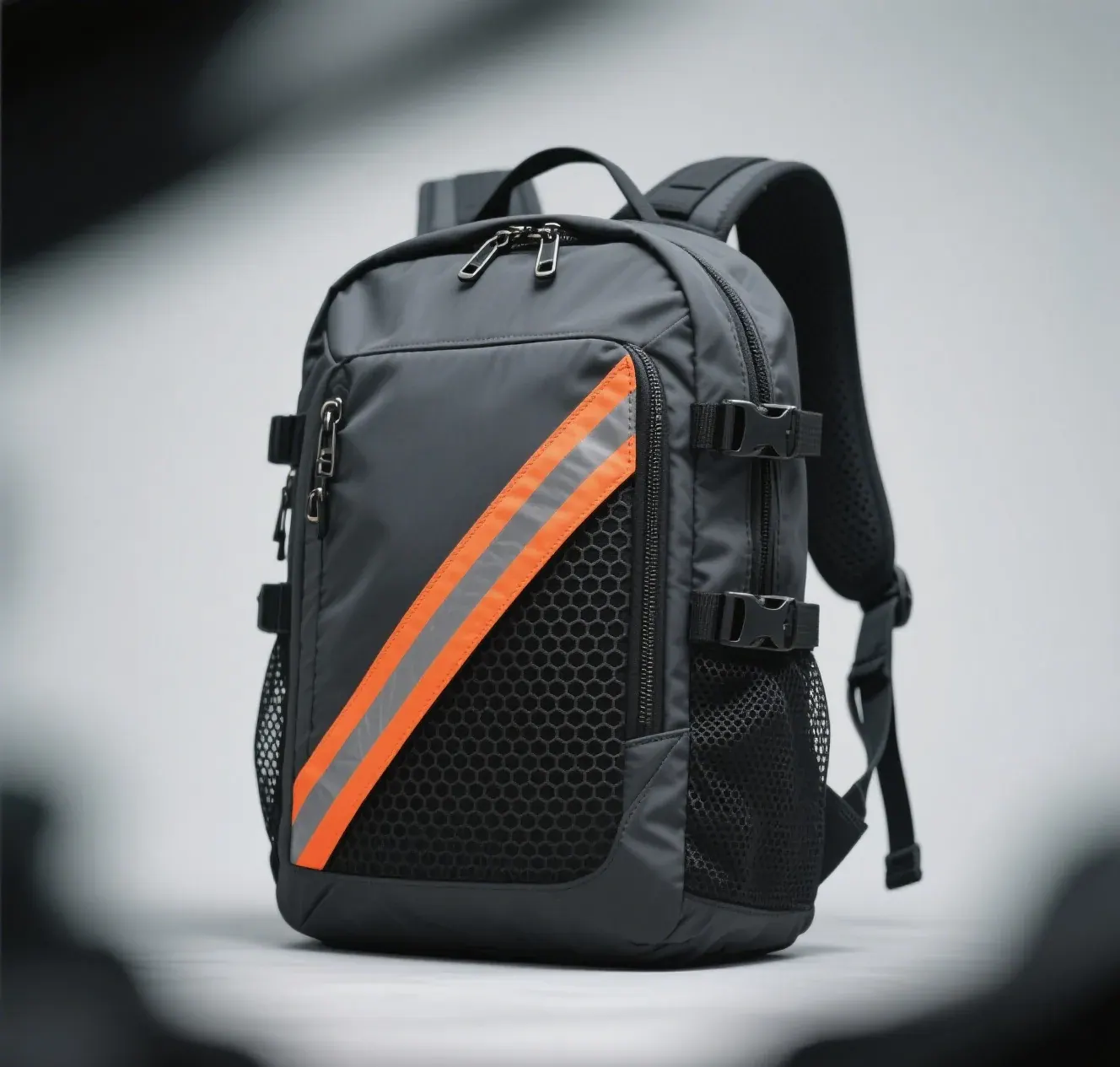
Lay the packing list into 5 groups: clothing, sleep or accommodation items, wash kit, electronics, and route-specific equipment. Measure soft items in the packing cube or pouch they will actually use. A weekend clothing set often takes 8–12 L, shoes 4–7 L, wash kit 1–2 L, electronics 2–5 L, and jacket 3–6 L. Food and water can add 3–6 L even when they are consumed during the trip.
Add group volumes, then reserve 15 percent for imperfect shapes and the return journey. A list totalling 24 L needs about 28 L of usable space, not a nominal 24 L shell. If the pack includes a thick laptop sleeve, curved base, or 3D back panel, usable space may be 10–15 percent below simple length × width × height arithmetic. Pack one sample rather than trusting geometry alone.
| Packing group | Compact allowance | Bulky allowance | Control |
|---|---|---|---|
| Two-day clothing | 8 L | 12 L | One 8–12 L cube |
| Second footwear | 4 L | 7 L | Heel-to-toe or external plan |
| Wash and health | 1 L | 2 L | Leak-contained pouch |
| Electronics | 2 L | 5 L | Raised padded zone |
| Layer, food, water | 5 L | 10 L | Keep day access outside main cube |
A worked example: 9 L clothing, 5 L shoes, 1.5 L wash kit, 3 L electronics, and 6 L jacket, food, and water total 24.5 L. Divide by 0.85 to preserve 15 percent reserve, producing 28.8 L. Choose a nominal 30–32 L body and confirm it still forms 3 closure turns. This calculation is more reliable than matching a generic 2-day label.
Warm, Wet, and Cold-Weather Adjustments
Warm weather saves volume but increases water demand. A 26 L city body may be enough for clothing while still needing a retained 1 L bottle and a 2 L food zone. Keep the bottle outside the electronics chamber or in an independent sleeve. A wet swimsuit or towel requires a 2–4 L draining zone so the dry clothing cube does not become humid on the return.
Cold weather adds bulk quickly. One insulated jacket can occupy 5–8 L, gloves and hat another 1 L, and larger footwear 6–9 L. A 35–40 L pack is more practical than compressing every layer into inaccessible cylinders. Keep one complete dry base layer in an independent 4–6 L pouch. Guidance from the CDC on cold-weather and hypothermia safety explains why dry insulation matters beyond packing convenience.
Wet climates demand access planning rather than simply more litres. Put the shell, umbrella where appropriate, towel, and transport documents in zones reached within 30 seconds. Keep the main clothing module closed until lodging. A 30 L pack opened twice in rain can protect contents better than a 38 L pack opened 12 times to find small items.
The Laptop and Footwear Size Penalty
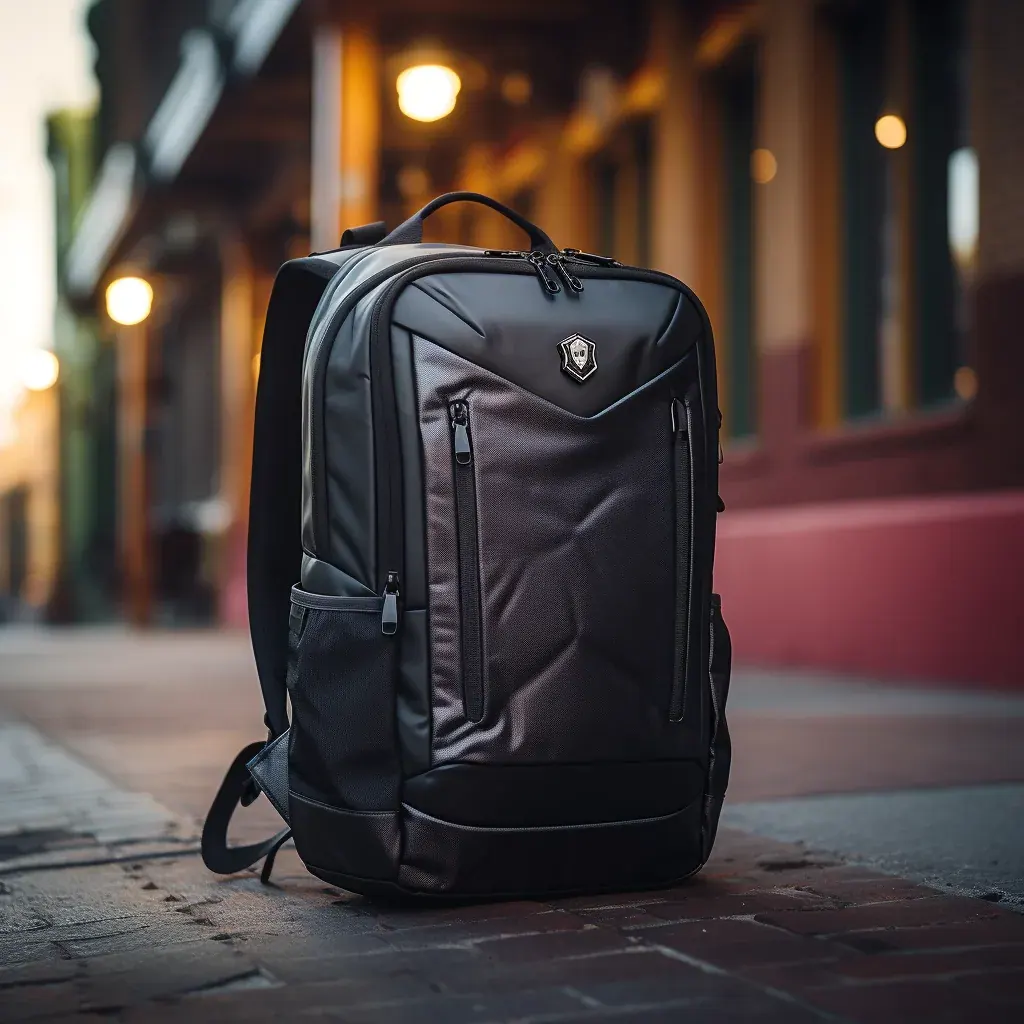
Rigid objects dictate dimensions. A 16-inch computer may require a sleeve around 390 × 270 mm, setting the pack's height and width even if its volume is modest. Lift the sleeve 50 mm above the base, add 10–15 mm foam below and 5–10 mm around the sides, and keep its opening separate from a wet bottle route. The protection structure may consume 2–4 L of nominal space.
Second footwear is the other common penalty. Shoes measuring 310 × 120 × 100 mm each can use 6–7 L if placed side by side. Heel-to-toe packing reduces the block, while wearing the larger pair in transit may save 3 L. Do not compress hard soles against the computer or roll-top. If footwear must remain separate, choose a drainable lower zone and test the loaded base for sag.
| Rigid item | Space allowance | Placement | Size effect |
|---|---|---|---|
| 14-inch computer | 2–3 L protected zone | Raised 50 mm | Often fits 26–30 L body |
| 16-inch computer | 3–4 L protected zone | Against back, padded | May set minimum width |
| Compact shoes | 4–5 L pair | Heel-to-toe low zone | Adds about one size step |
| Large boots | 7–10 L pair | External or 38–40 L body | Often defeats compact carry |
| Camera cassette | 4–7 L | Central, close to back | Adds weight as well as volume |
A general waterproof travel backpack can handle these rigid shapes if the opening is wide enough. Measure opening width as well as internal width: a 270 mm device sleeve behind a 220 mm roll mouth is frustrating even when total litres are adequate. Perform 10 packed insertion and removal cycles before approval.
Carry-On Dimensions and the Roll-Top Trap
A soft 35 L pack can fit a transport limit when lightly packed and exceed it when full. Measure height, width, and depth with the weekend load, compression straps set, and every external pocket filled. Do not include a maximum extension height in marketing if it cannot be closed through 3 turns at that size. Carry-on allowances differ, so travellers must confirm current dimensions and mass with the booked carrier.
Use a simple sizing box that matches the strictest route segment. Place the loaded pack inside without forcing, then remove it and remeasure depth after 15 minutes because foam and clothing can expand. A 20 mm depth increase can matter. Keep power banks, documents, and required cabin items arranged according to travel rules and accessible without emptying the main chamber.
The daypack versus expedition pack comparison helps identify when a weekend load has crossed into a more structured category. A 40 L body with a load-transfer belt can be excellent on foot and less convenient in a small cabin. Choose around the hardest transport constraint, not the longest feature list.
Water ratings also need context. The terminology is defined through the IEC ingress-protection framework. IPX5-to-IPX6-level rain control is a practical weekend target, while IPX7 or IPX8 should be selected only for routes where temporary immersion is plausible and its closure trade-offs are acceptable.
Harness Choice by Weekend Load
Below 6 kg, a light panel and 50–60 mm shoulder straps can be comfortable for a city transfer. At 7–10 kg, use 55–70 mm straps, a sternum adjustment, 4 side compression points, and a narrow or structured belt according to walking distance. Above 10 kg, torso fit within about 3 cm and real load transfer become important; a minimal 24 L harness should not be stretched into that job.
Run a 90-minute test with the final packing list. Walk 5 km, climb 100 steps, sit on public transport for 20 minutes, and reach the jacket, phone, and bottle. Score neck pressure, shoulder pressure, heat, swing, and access on a 1–5 scale. Any 4 or 5 is a design or size warning. Moving up 5 L may improve packing but worsen depth and movement unless compression is effective.
- Keep empty pack mass below about 15 percent of the expected weekend load.
- Place the densest 3–4 kg within 50 mm of the back and between hip and shoulder-blade height.
- Use compression to control shape, not to force 35 L of gear into a 28 L wet boundary.
- Set the sternum strap to stabilise without drawing the shoulders inward.
- Retest while wearing the thickest jacket planned, because strap geometry changes over layers.
Downsize the List Before Upsizing the Bag
Remove duplicates first. One neutral mid-layer can work both days, a phone may replace a separate compact reader, and lodging may provide towels or toiletries. Wear the bulkiest shoes and jacket during transit. Transfer liquids into trip-size containers within applicable rules. These decisions can remove 4–8 L without compressing waterproof layers or leaving necessary safety equipment behind.
Do not downsize critical medication, weather protection, route safety, or a complete dry layer for cold wet conditions. The goal is fewer low-value duplicates, not an artificially small photograph. A 30 L pack containing every necessary item with 15 percent reserve is a better result than a 24 L bag whose closure cannot form and whose rain shell is buried outside.
Run a return-pack test. Add a damp 2 L clothing pouch, one small purchase, and imperfectly folded garments, then close the pack again. A weekend system that works only in the calm home layout often fails on Sunday morning. If 3 roll turns disappear, restore the 15 percent reserve or step up one size.
Use a Three-Pass Packing Test
Pass 1 is the optimistic home layout. Pack clean dry items in the order planned, weigh to 0.1 kg, measure the 3 external dimensions, and photograph every module. Time access to the phone, jacket, wash kit, and computer. This pass identifies the smallest possible volume but should never be the only approval because perfect folding and a quiet room do not represent the return journey.
Pass 2 is the transit layout. Wear the heaviest jacket, then walk 5 km, sit for 20 minutes, and open the bag at 4 realistic points. Put the jacket back inside after warming up and add a 0.5 L water bottle or snack purchased en route. Confirm depth, shoulder pressure, and 3 roll turns again. A pack that began at 210 mm depth may expand beyond 230 mm when foam and clothing settle.
Pass 3 is the wet return. Place 2 L of damp clothing in its separate pouch, fold the main garments imperfectly, add one 1 L irregular item, and rebuild the pack in 5 minutes. Do not compress by sitting on it. The closure, transport dimensions, 15 percent working reserve, and access to documents must remain acceptable. If this pass fails, edit the list or move up one 4–6 L size step.
| Packing pass | Added reality | Numbers to capture | Decision |
|---|---|---|---|
| Home | Dry and carefully folded | Litres, kg, L × W × H | Establish lower bound |
| Transit | 5 km, 4 access events | Depth growth, comfort, closure | Confirm carry |
| Wet return | 2 L damp pouch plus 1 L item | Reserve and 5-minute repack | Confirm weekend resilience |
| Cold layer | Wear then pack bulky jacket | Added 5–8 L | Choose seasonal size |
| Device removal | Ten sleeve cycles | Opening width and base lift | Confirm rigid-item access |
Use the same checklist for every candidate size. Comparing a carefully packed 28 L sample with a casually packed 32 L sample creates false precision. Give each pack the same modules, 5-minute time limit, and return additions. Record which item blocks closure rather than simply noting that one feels small. The blocked item often reveals a layout problem—narrow opening, curved base, or thick divider—rather than a true lack of litres.
A buying team should repeat all 3 passes on at least 3 samples. Minor differences in foam, seam allowance, and roll-top height can change usable space even when the nominal pattern is the same. Accept capacity only when every sample closes at the target load with the required turns and dimensions. One unusually generous sample is not a sound basis for a range claim.
Buying Brief and Final Size Rule
A weekend brief should state usable litres, internal and loaded external dimensions, 7–10 kg target load, device and footwear blocks, 15 percent reserve, closure turns, water exposure, and 90-minute carry test. Capacity can be checked by a defined fill method, while dimensions need tolerances. Relevant physical approaches are available through ASTM International, but the travel packing simulation should remain part of acceptance.
QUANZHOU JUNYUAN BAGS handles waterproof programmes with MOQ 500 pcs per design and colour, samples in 6–10 working days, and bulk in 35–50 days. AQL 2.5 checks can include capacity, dimensions, mass, closure, pocket placement, strap assembly, and agreed water exposure. Programmes use BSCI and ISO 9001 systems, with REACH and California Prop 65 material screening.
A two-day load grid can be sent to service@junyuanbags.com. Include the packed device, footwear, seasonal layer, transport limit, and target rain condition. Shipment can be arranged FOB Xiamen or DDP to more than 100 countries after the approved sample is tested with the real list.
After sizing is approved, lock the reference packing list beside the drawing. Future revisions should be tested against the same 5 largest items and the same 8 kg mass, even if pocket colours change. A 20 mm shift in sleeve position or a thicker 0.2 kg back panel can reduce useful space. Re-running the three-pass check protects the original weekend claim from gradual feature growth.
The final rule is straightforward: choose 28–32 L unless a measured compact warm list fits 24–28 L or bulky winter and technical items require 35–40 L. Preserve 15 percent space, 3 roll turns, and a manageable 7–10 kg load. If one of those disappears, the chosen size is too small or the list is too long.
People Also Ask
Is a 25 L waterproof backpack enough for two days?
Yes for a compact warm hotel trip with minimal footwear and no large computer. The measured list should total about 21 L or less so a 15 percent reserve and the required closure turns remain.
How much spare space should a weekend backpack have?
Keep about 15 percent of usable volume free. A 24.5 L packing list therefore needs roughly 29 L, which points to a 30–32 L body after allowing for imperfect shapes and the return trip.
Does a laptop sleeve reduce backpack capacity?
Yes. A raised padded sleeve can consume 2–4 L, especially for a 16-inch device needing a zone around 390 × 270 mm. It may also set the minimum body height and width.
How do shoes affect weekend backpack size?
Compact shoes commonly use 4–5 L and larger footwear 7–10 L. Pack heel-to-toe, wear the bulkiest pair in transit, and keep hard soles away from the computer and closure fold.
Should I choose a larger bag for the return journey?
Allow reserve rather than automatically upsizing. Test the return with a 2 L damp-item pouch, imperfect folds, and one small purchase; if 3 roll turns remain, the original size is adequate.
How do I compare nominal and usable litres?
Pack the actual modules and preserve closure space. Thick foam, curved corners, and a rigid back panel can reduce useful space by 10–15 percent compared with simple external-volume arithmetic.
Frequently Asked Questions
Q1. What size waterproof backpack is best for a 2-day trip?
Twenty-eight to 32 L is the default for mixed travel. Choose 24–28 L for a warm minimal hotel weekend and 35–40 L for winter insulation, boots, a camera cassette, or technical gear.
Q2. Is 30 L enough for a weekend away?
For most travellers, yes. A worked 24.5 L packing list fits a 30–32 L body with about 15 percent reserve, provided the roll-top still closes through 3 full turns.
Q3. Is 40 L too big for a weekend?
It is often larger than needed for a hotel weekend but sensible for cold layers, boots, shared equipment, or camera protection. Check loaded dimensions and avoid filling spare space with unnecessary items.
Q4. How heavy should a weekend backpack be?
Aim for about 7–10 kg loaded for mixed travel, adjusted to the user and route. A short city trip may stay near 5–7 kg, while a winter technical load can approach 12 kg and needs a stronger harness.
Q5. What waterproof level should a weekend pack have?
A finished-pack IPX5-to-IPX6-level target handles many rain journeys. Choose immersion-oriented protection only when the route genuinely includes a drop risk and the added closure effort and mass are justified.
Q6. How many roll-top turns are needed?
Use at least 3 firm turns unless the item instructions state otherwise. Keep 75–100 mm clear above rigid contents and measure closure with the complete weekend load.
Q7. Can a 35 L backpack be carry-on luggage?
Possibly, but litres do not decide. Measure loaded height, width, depth, and mass against the exact current carrier, fare, route, and aircraft requirements, including full external pockets.
Q8. Where should a computer sit in the pack?
Place it close to the back in a sleeve lifted at least 50 mm above the base, with 10–15 mm lower foam and 5–10 mm side protection. Keep the bottle route separate.
Q9. Do I need a hip belt for a weekend pack?
A narrow stabiliser may help at 6–7 kg. For 7–10 kg over a longer walk, a more structured belt can transfer some load, provided torso length matches within about 3 cm.
Q10. How do I test the size before buying in volume?
Load the complete two-day list, confirm 15 percent reserve and 3 closure turns, measure external dimensions, then walk 5 km and 100 steps. Repeat with a realistic damp return pouch.
Q11. What are the MOQ and timing for a weekend pack programme?
The baseline is 500 pcs per design and colour, samples in 6–10 working days, and bulk in 35–50 days. Lock usable volume and loaded external dimensions before approving colour variants.